1911Thanhouser Company1,000 feetDrama

Count Ivan and the Waitress

No copy you can watch online. No print is known to survive. What follows is what does: the release, the cast, the story, and what the trade press said at the time.

The story

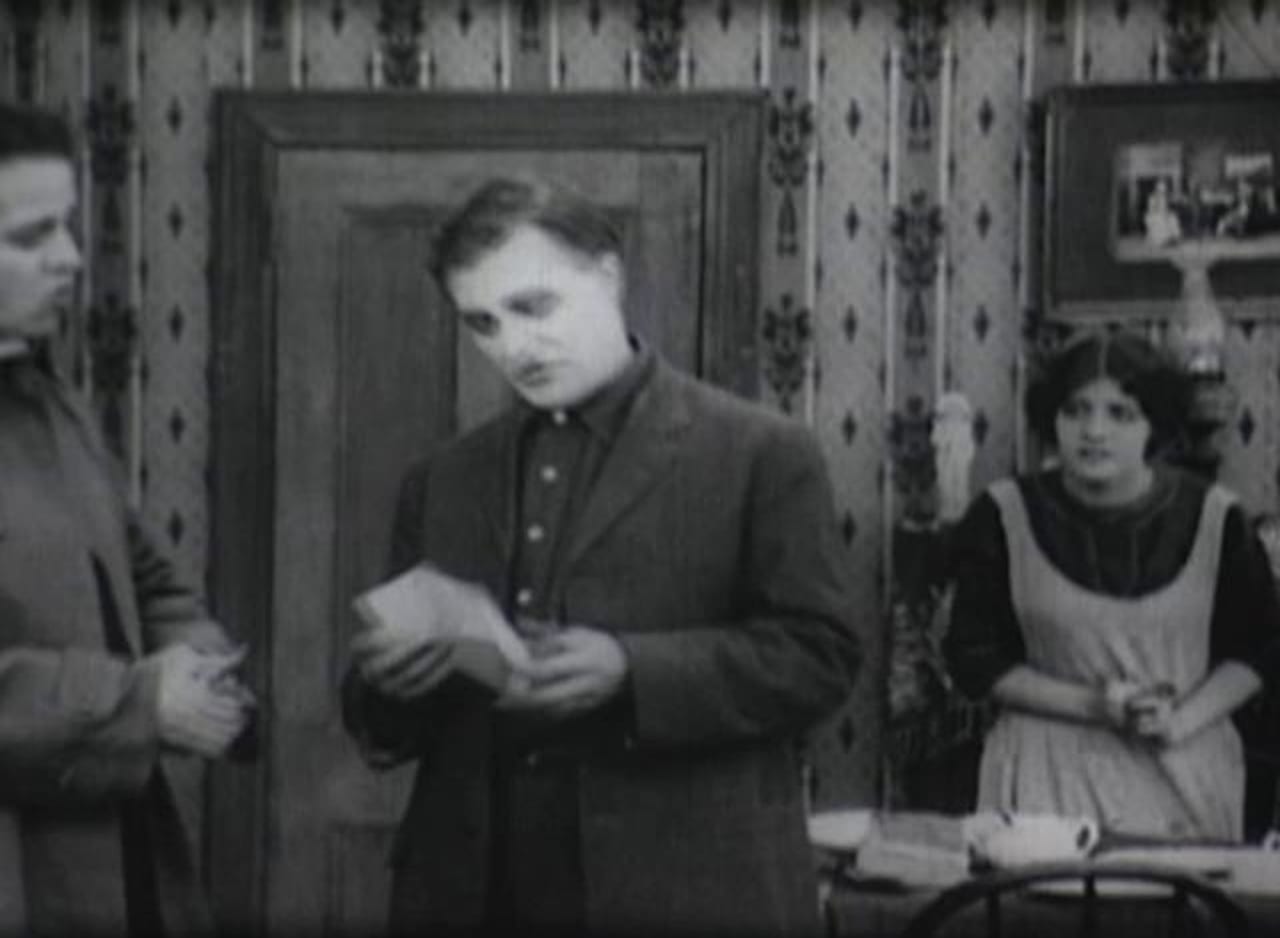
“Count Ivan, a wealthy Russian nobleman, is a dreamer, but not of revolutions. A bachelor, he has drifted into a placid old age, happy with his music and his books, never contemplating any changes in the social conditions that surrounded him. But, just the same, he is accused of conspiracy, and to escape a sentence to Siberia that means death, he flees to America, landing practically penniless. Music now becomes his sole means of support. He secures a position in the theatre orchestra, and manages to earn a meager living, until he incurs the enmity of the leader, and finds himself out in the street again. There is a little shabby restaurant, where the count is accustomed to dining. The waitress, a self-reliant young woman, likes him for his courtly manners and his unfailing politeness. To obtain some money, the count pawns his violin. The dealer sees a chance to get rid of a bad bill, and passes it on to his unsophisticated customer. When the latter offers it at the restaurant, he gets in serious trouble, and would have been arrested, had it not been for the interference of the waitress, and the fact that the policeman summoned happened to be a man to whom she was engaged.

“Later, when the count falls exhausted in the street, it is the girl and her sweetheart who aid him, give him shelter, and restore him to strength. The count’s friends in Russia, although they have lost sight of him, have not been idle. They manage to prove to the Czar that the aged musician is not, never has been a conspirator. A royal pardon is issued, and search for him is started. This hunt ends successfully, just when the unfortunate count is at its lowest depth. His first thought, when he regains his wealth, is to reward the humble friend who stood by him when he was a ‘friendless old man.’ He buys a restaurant where she is employed, leaves a fortune in the cash register, and departs for Russia, realizing that he has safeguarded the future of the girl whose unselfishness deserved the reward she received.”

Summary from The Moving Picture World · 2 September 1911
What the papers said

2 reviews · 1 advertisement

“Dramatic, with a tinge of comedy, this is an especially entertaining picture play, for it contains a variety of types of characters and much action of the unusual sort, with a display of varied scenes. It opens in Russia, the hero being a musician and a count, who is suspected of traitorism by the government, and is therefore obliged to …

Read in full · 1 min

“Dramatic, with a tinge of comedy, this is an especially entertaining picture play, for it contains a variety of types of characters and much action of the unusual sort, with a display of varied scenes. It opens in Russia, the hero being a musician and a count, who is suspected of traitorism by the government, and is therefore obliged to flee to America after being sent to Siberia. He is seen arriving on a big liner in New York, and later secures a position in an orchestra, but is discharged because he aids a flower girl whom the leader insults. He next tries to sell papers, but is badly maltreated. Taking his meals in a restaurant of the cheaper sort, he has been kind to a waitress, and when he is knocked down in the street and found by her she returns his goodness and takes him to her abode, where she cares for him. Reading an advertisement in a daily paper inquiring the whereabouts of himself by authorities of the Tsar and declaring him to be exonerated of all alleged crime against his nation, he makes himself known, receives funds, buys the restaurant for the waitress and returns to his own. The play is well acted and when seen was thoroughly enjoyed by the spectators.”

The Morning Telegraph · 10 September 1911

“The story here told has its beginning in Russia with its unjust intrigues. The old musician was forced, an innocent man, to flee to America. Misfortune followed him there and but for a waitress and her policeman sweetheart he would have been taken to prison. However, she befriends him when he needs it most. Shortly afterwards things change with him. …

Read in full · 1 min

“The story here told has its beginning in Russia with its unjust intrigues. The old musician was forced, an innocent man, to flee to America. Misfortune followed him there and but for a waitress and her policeman sweetheart he would have been taken to prison. However, she befriends him when he needs it most. Shortly afterwards things change with him. His friends in Russia prove to the Czar that he has been loyal. A pardon is issued, his estates are restored, he is permitted to return home to enjoy them. Before going, he liberally rewards his benefactors, leaving them beyond want for the rest of their lives. It is a well told and romantic story which is made all the more entertaining by the good work of the actors.”

The Moving Picture World · 16 September 1911

Advertisement

2 September 1911The Moving Picture World1 min

“An old musician, discharged from a theatre orchestra by a brutal leader whose enmity he had incurred, enters a cheap restaurant, eats, and pays for his food. But the payment is in ‘bad’ money, which an unscrupulous pawnbroker passed on to him. The result: restaurant man calls the policeman. But a pretty little waitress changed the black complexion of things a bit, and then a stray newspaper item throws full light into the darkness. And in the light the waitress-with-a-heart shone resplendent, thanks to the musician who remembered.”

Have you seen this film, or a print of it?

Prints of films thought lost still turn up in attics, private collections and archives. A record like this one is how the next one gets found.

Tell us about a print

Cast and crew

Cast
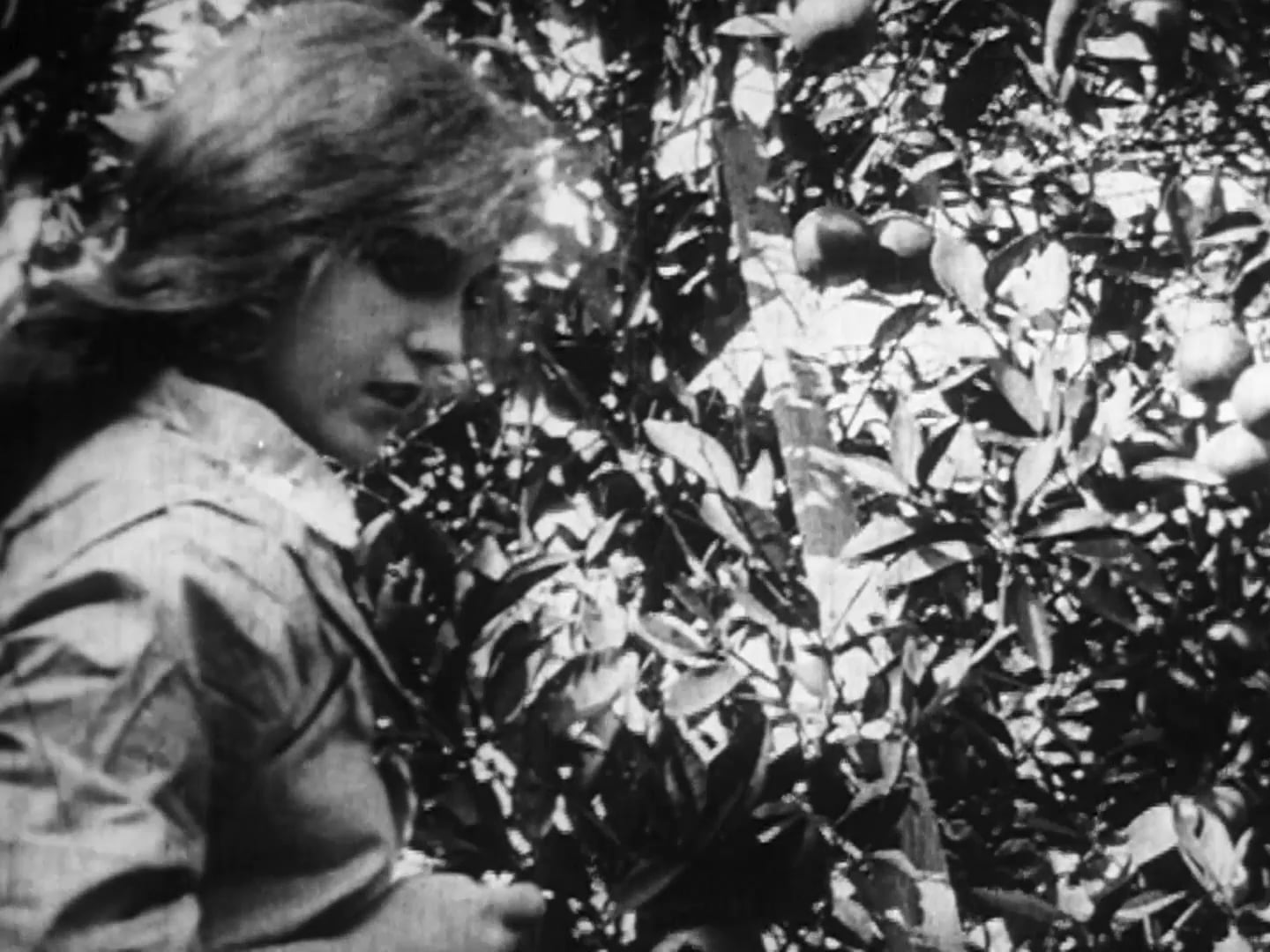
Marguerite Snow as the waitress

Every name opens that person's page, with each film they appear in and which of them you can watch.

Watch instead

Films you can watch from the same company

Matched by cast, director and kind

More about this film

From Volume II: Filmography of Q. David Bowers’ Thanhouser Films: An Encyclopedia and History, reproduced with permission and unchanged. Read the history of 1911 →

Cite as: Bowers, Q. David. Thanhouser Films: An Encyclopedia and History, “Count Ivan and the Waitress”. thanhouser.org/films/count-ivan-and-the-waitress/

Where a print is held

Held by
No print known