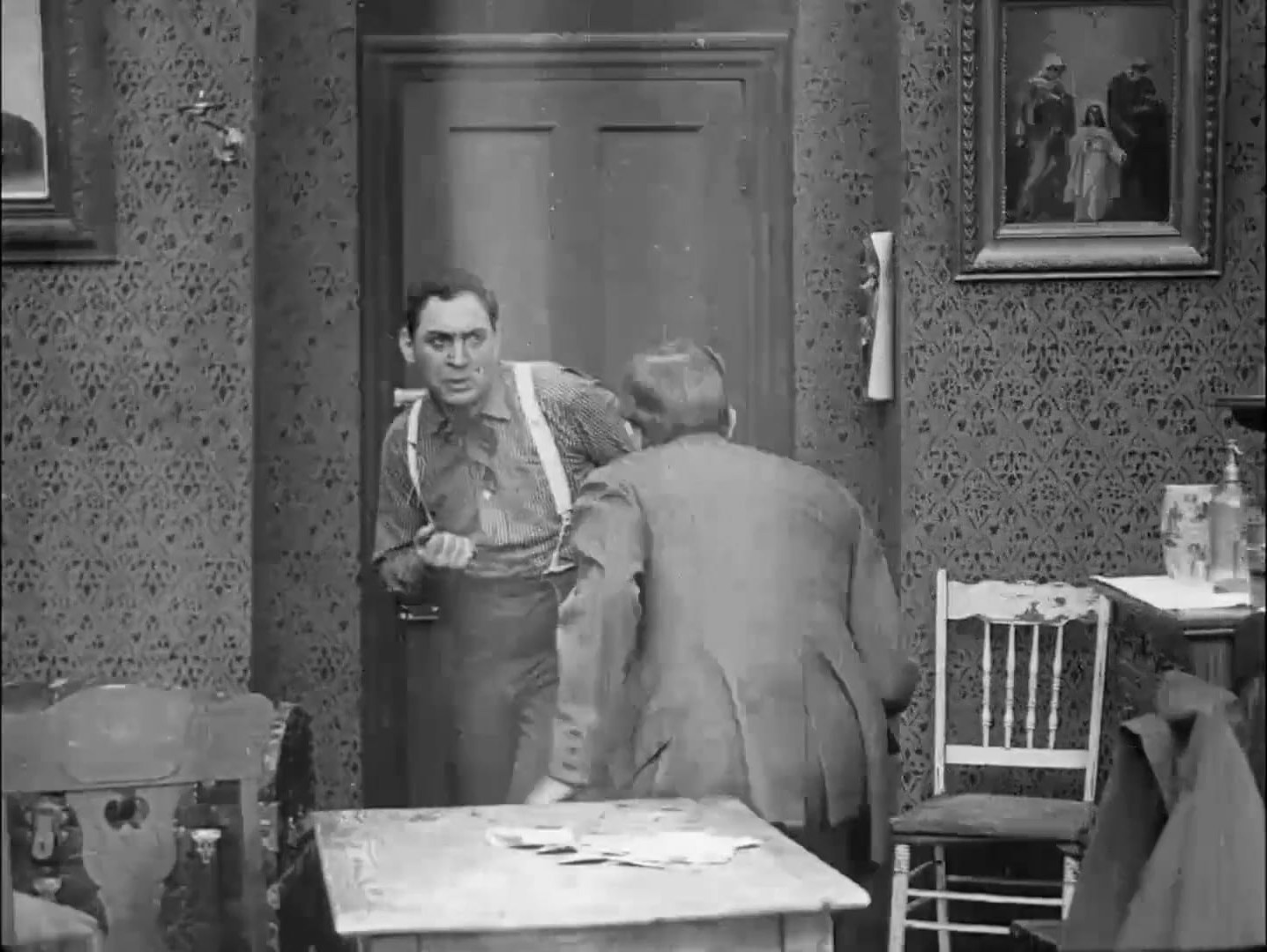
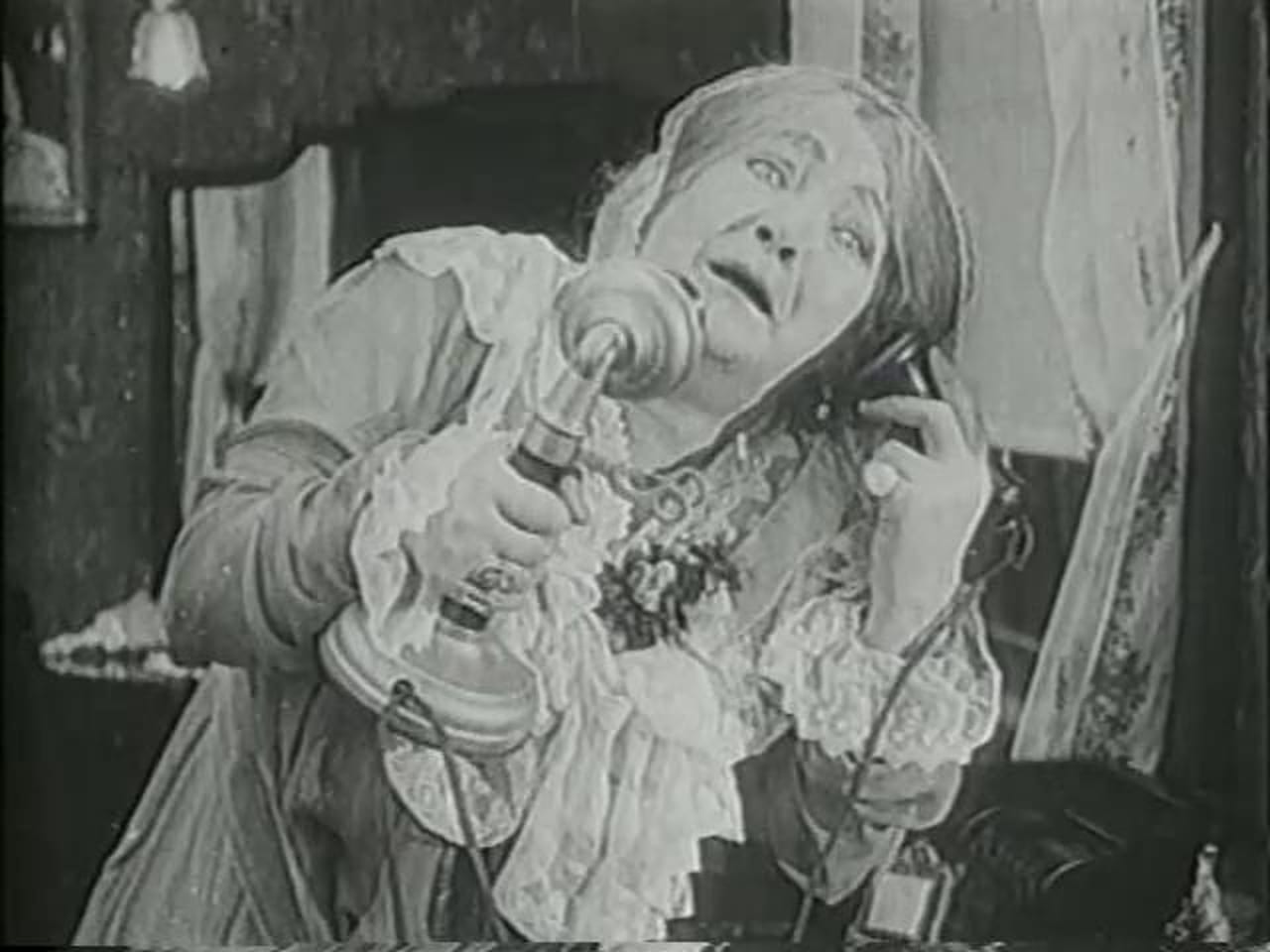
“A sub-title at the opening of this drama informs us that the picture is intended to reflect conditions in Austria early in the 18th century. The persecution of the Jews is the theme, handled with no little skill, though the story is personal rather than general in its scope. What we see of the tragedy directly affects Deborah, a Jewish maiden, and her immediate family, and it is with the suffering of Deborah that we are concerned, not with the misery of a down-trodden people. This is not cited as a defect, merely as a fact that may be construed as tribute to Maude Fealy’s persuasive acting. Certain it is, she excites much sympathy for the unfortunate Jewess.
“Deborah and her aged parents are the objects of ridicule and abuse. Even a home is denied them, but they show their resignation born of necessity. Then Joseph, the burgomaster’s son, falls in love with Deborah, and despite parental objections, promises to marry her. A school master, an apostate Jew, tells the Burgomaster that money will induce the girl to release her hold on Joseph, and he is authorized to test her with an offer. He returns with a false report, which convinces the young man that Deborah is untrue. Joseph weds a girl of his own race, and, as the wedding party descends the church steps, the Jewess, with dramatic fervor, heaps curses on their heads. Five years later she is saved from a gang of ruffians by Joseph, and, having lost all bitterness against the man, who, after all, only observed the laws of his people, she leaves for a land of broader freedom—America. Most of the settings in this picture are attractive, and photography is beautifully clear. There is plenty of action, a fair share of it being dramatic. Then there is Miss Fealy’s impressive performance supplemented by the competent acting of a numerous cast.”