The story
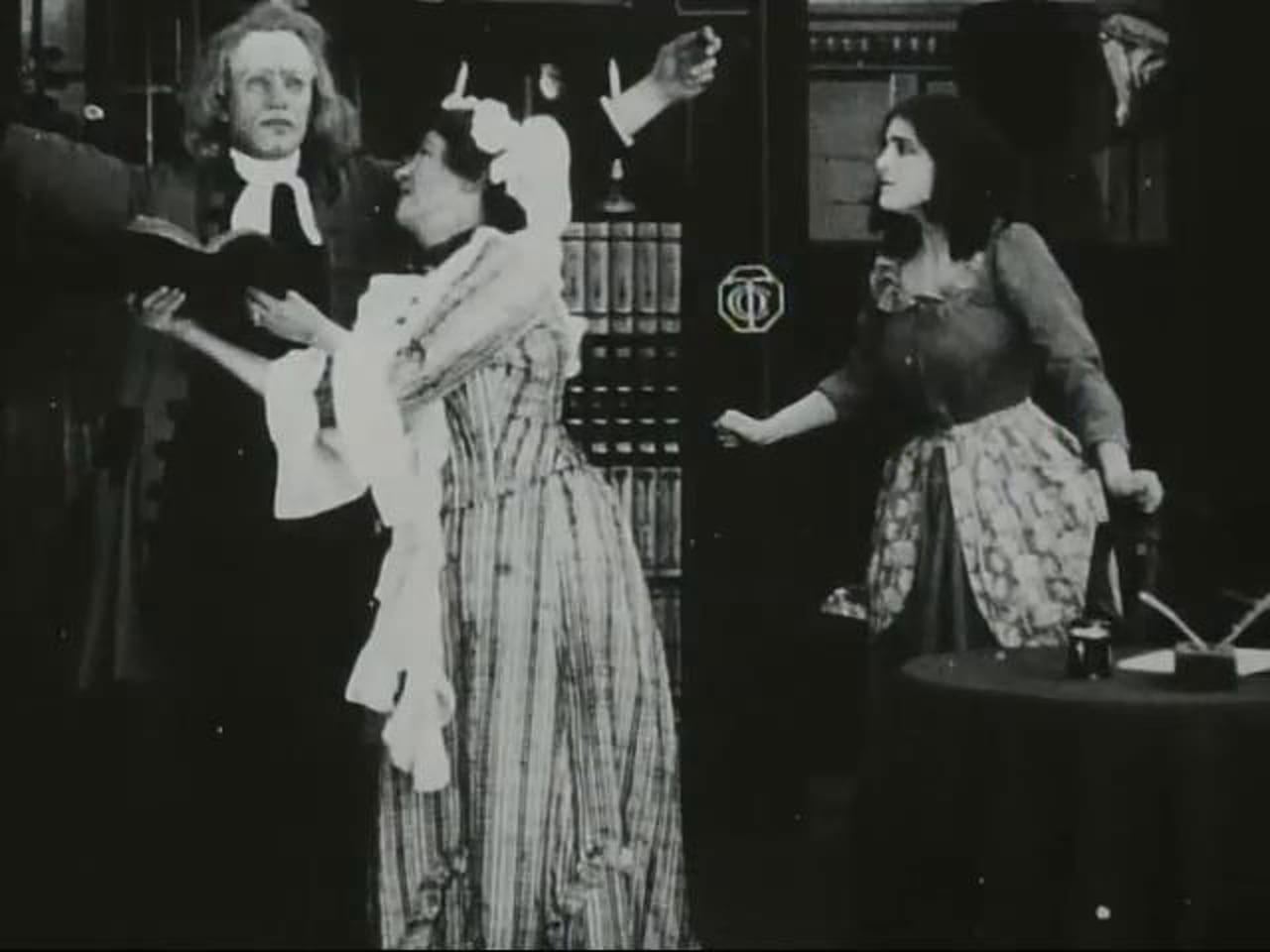
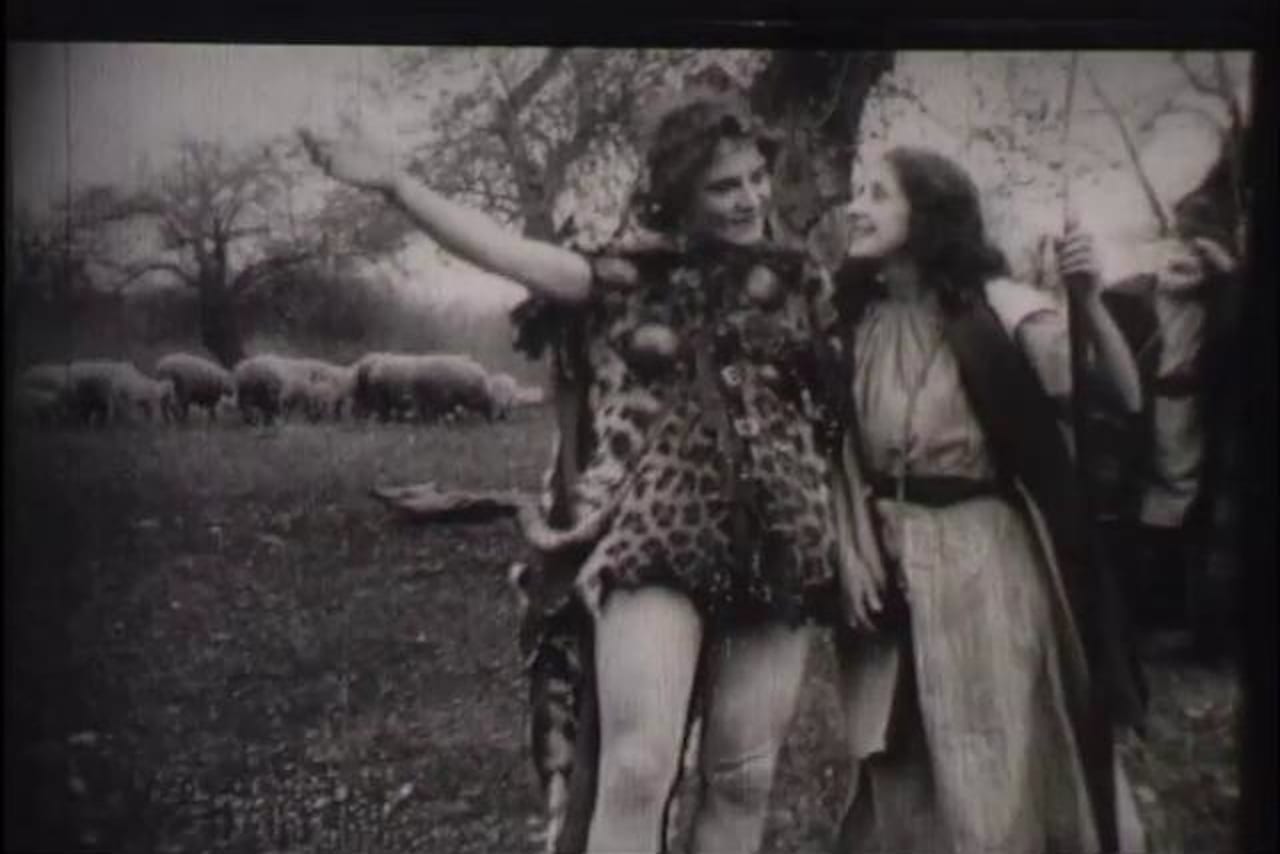
“Paul and Virginia are two young lovers who have grown up together from babyhood. Their widowed mothers lived near each other in rude cottages, on an island in the Indies, on which there are few inhabitants. Here the children are reared, knowing no play fellows but each other. When Virginia is 16 years of age, her mother receives a letter from a wealthy aunt in Paris, who offers to make Virginia her heir and give her a good education, providing Virginia will, in the future, make her aunt’s home her own. Virginia’s mother, having lost her own fortune through marrying against the will of her family, feels that she must not let her daughter suffer the poverty that she has been compelled to endure. She accordingly insists upon Virginia’s acceptance of her wealthy relatives offer. Virginia thereupon sets sail for France, leaving Paul broken-hearted at her departure.
“Virginia tries to be a dutiful niece to her aunt, who is very old and sickly, although she longs to return to her humble home and Paul, whom she dearly loves. When, however, the aunt insists that she marry a rich nobleman, Virginia refuses; her aunt disowns the girl and sends her back to the island home. Virginia’s ship arrives at the Indies during a hurricane, and although a cable’s length from shore, it sinks before help can reach it, and Virginia is drowned. Paul witnesses her death from the shore, and almost loses his own life in a vain attempt to save her.”
Summary from The Moving Picture World · 19 November 1910
Background of the scenario
Jacques Henri Bernadin de Saint-Pierre (1737-1814), the author of this work, was a French natural philosopher and novelist, and a friend and follower of Rousseau (advocator of the natural man; Rousseau argued the development and spread of knowledge and culture had corrupted human behavior by promoting inequality, idleness and luxury). Saint-Pierre wrote several essays in natural history and philosophy revealing the role of Divine Providence in the order and harmony of nature. The third edition of his major work, Etudes de la Nature (Studies in Nature), included his masterpiece: a work of fiction titled Paul and Virginia.
Paul and Virginia was immensely popular and was translated into Danish, Russian, Italian, and other languages, and into English for the first time in 1795. This “pastoral romance” tells the story of the idyllic childhood of two children brought up as siblings by their mothers, who brought them to the Ile de France to avoid social disgrace. The mothers determine that their children will be raised by nature’s laws, and their simple, hard-working childhood produces pious, healthy and humane children free from prejudice, religious superstition, and fear of authority. The action rises in the story when Virginia is sent for by her rich and socially ambitious aunt, who desires Virginia to receive her fortune. Returning to visit two years later, the much-changed Virginia is drowned when the ship hits rough water. Paul and the mothers die in shock and grief. In some English versions the ending was rewritten to be a happy one. This story inspired P.A. Cot’s famous painting, The Storm (1880), which was painted for Catherine Lorillard Wolfe’s great collection of French salon art, now in the Metropolitan Museum of Art. Thanhouser reproduced the painting on its one-sheet poster for the film.