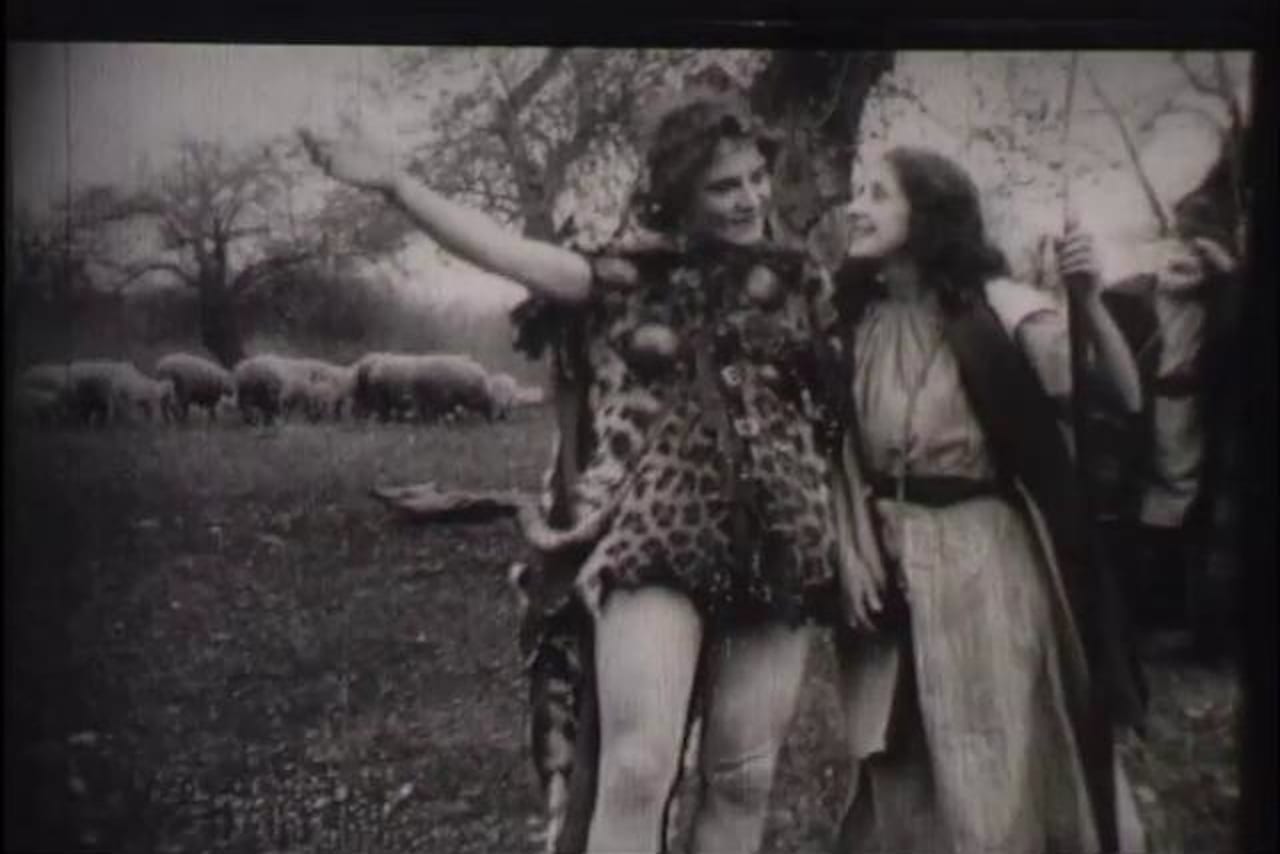
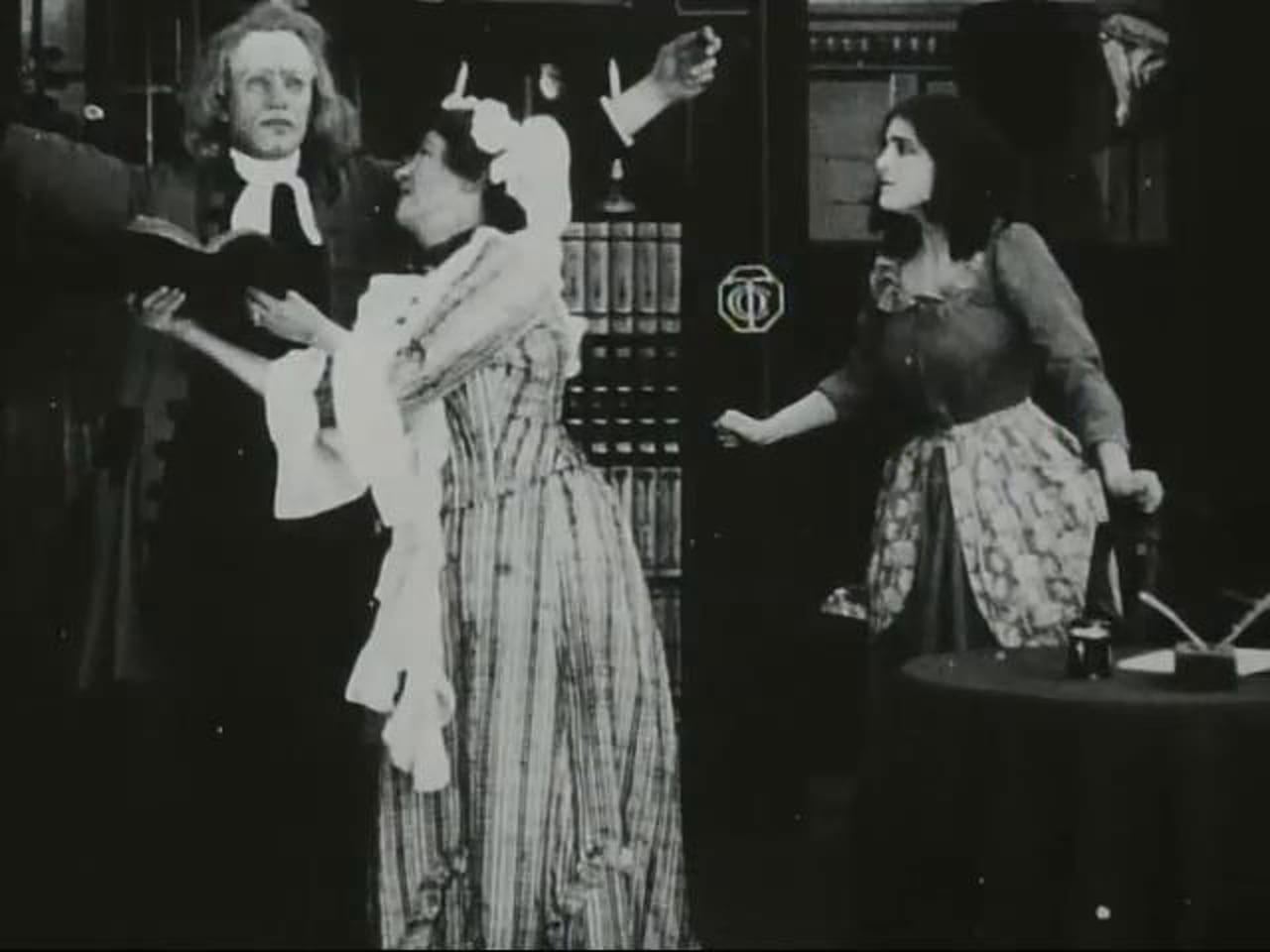
Tempest and Sunshine and Lena Rivers, both of which were dramatized for the screen by Thanhouser, were Mary Jane Hawes Holmes’ two most popular works, in that order. Known as a bright child, Mary entered school at the age of three, was teaching in a district school at the age of 13, and had her first story written by 16. She married a New York attorney in 1849 and subsequently moved from New York to Kentucky, which latter state provided the background for her first novel, Tempest and Sunshine, published in 1854. She later returned to New York. Childless, she led a life of writing and world travel, collecting art on her many journeys. A generous woman, she worked for and contributed to many causes, especially temperance, which together with woman suffrage and the abolition of slavery, was one of the three great American social movements of the 19th century. Her stories were simple, with a domestic flavor, and typically were set in a small-town rural atmosphere. Her life’s work included 39 novels and numerous essays and short stories.
Tempest and Sunshine featured the cruel and deceitful Julia Middleton (Tempest), her angelic sister Fanny (Sunshine), their teen-age friends, and their problems with romance. Laced with a bit of morality, the novel relates that good conquers evil. Everyone is happily paired off, save Julia, who stays home with her hard-nosed, invalid father.
In the era that Thanhouser released its dramatization of Tempest and Sunshine, the title had numerous counterparts, including the following: a two-reel IMP film, also from Holmes’ novel and titled Tempest and Sunshine, released in 1914; a 1915 film by Rialto for Gaumont titled Sunshine and Tempest, featuring “Florenze Tempest” and “Marion Sunshine”; another production from Holmes’ novel, titled Sunshine and Tempest, the production of which was scheduled in Jacksonville, Florida in 1916; and a vaudeville team called Sunshine and Tempest, from which one girl, Marion Sunshine, was recruited by Mr. Webb for Biograph, and was considered “quite a famous personality to be in Biograph movies at this time,” acccording to Linda Arvidson Griffith in her book, When the Movies Were Young.