The story
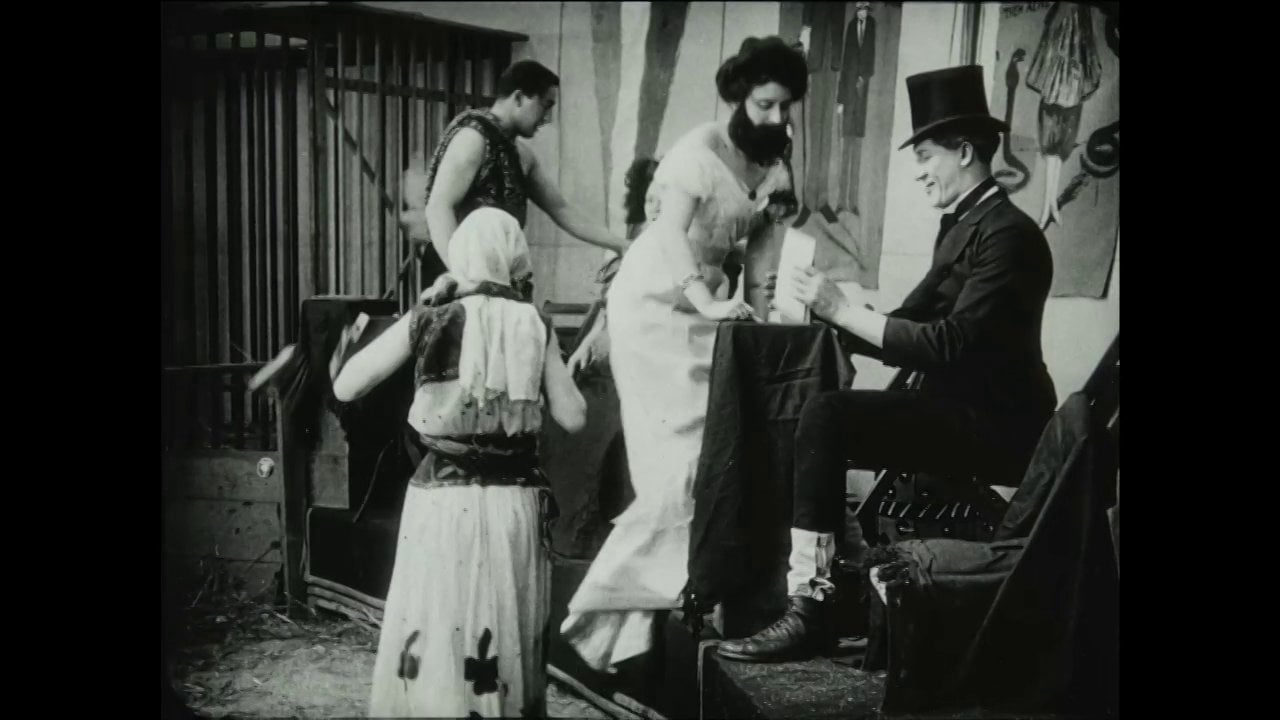
All the children at the little village school loved their teacher, but this fact did not ensure her holding her job. The most influential man on the school board was the chairman, and he found himself saddled with a middle-aged relative whom he heartily disliked. Under the circumstances he believed he was justified in shifting the burden off the shoulders of the dear public, so their lovable little teacher was turned adrift while the unpleasant old maid was given her place. The children didn’t like that; the school board did not care what the people thought. The son of the village banker and his little sister, failing to accomplish anything by arguments, determined to try a strategy. There were two persons in that village they thoroughly detested, one the new teacher and the other an old miser who continually growled at them. Consequently they determined to make both of these individuals thoroughly unhappy, and believed they could best accomplish it by matrimony. The miser was walking along the street one day when he noticed a bank book lying on the pavement. He picked it up and discovered that it certified the fact that the new teacher was worth $15,000. He would have committed murder for half that amount, so he lost no time in courting the pedagogue, who accepted his attention gratefully, but insisted on an elopement because ‘they are so romantic.’ After the marriage the bridegroom suggested that his better half transfer her money to him, then he found to his consternation that he had been tricked and that she wasn’t worth a red cent. He never knew that two children had killed two birds with one stone. The fact of the matter was that the banker’s son secured a blank passbook, filled it up in the way he wanted it to read and left it where he knew the miser would find it. By doing so he made all the children in the village happy, for the teacher they loved came back to them, and remained as long as she desired to.
Summary from The Moving Picture World · 26 April 1913