The story
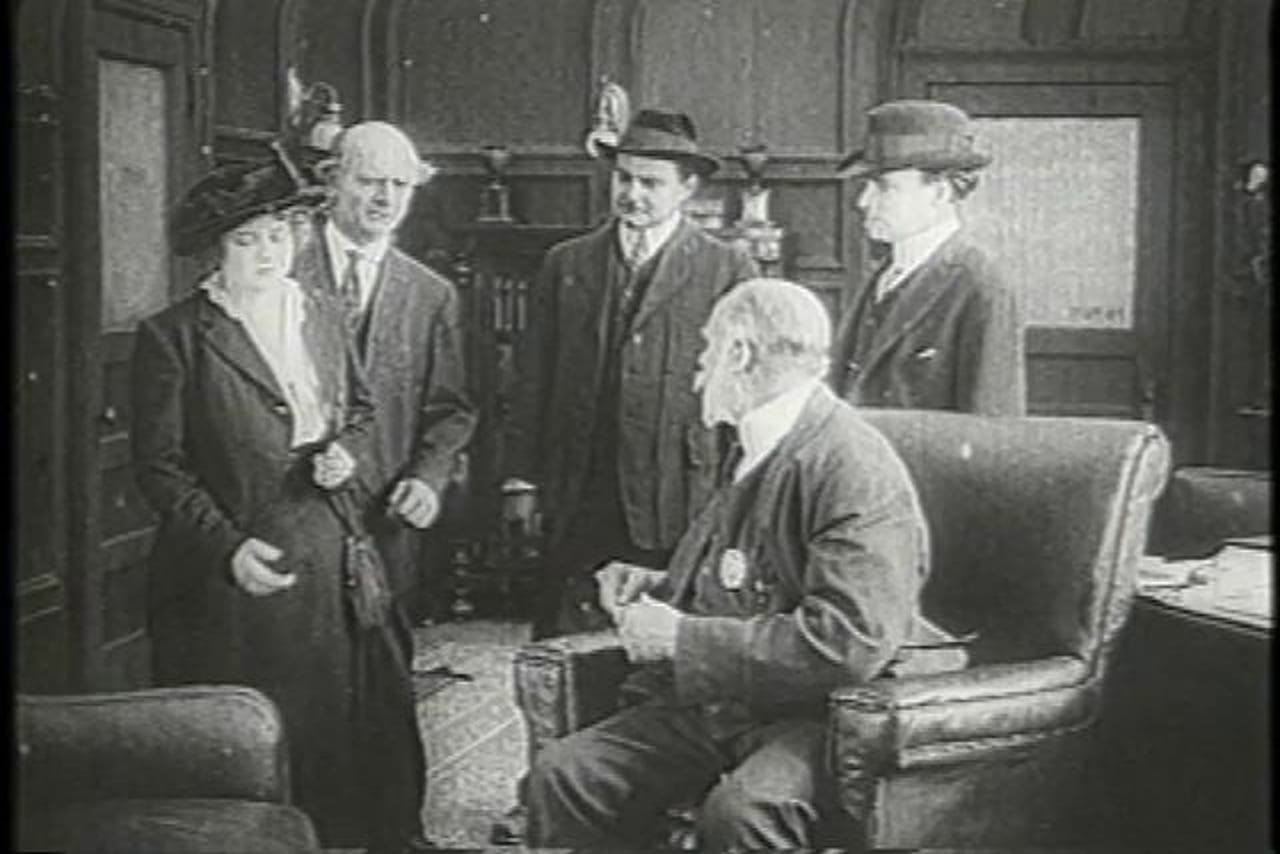
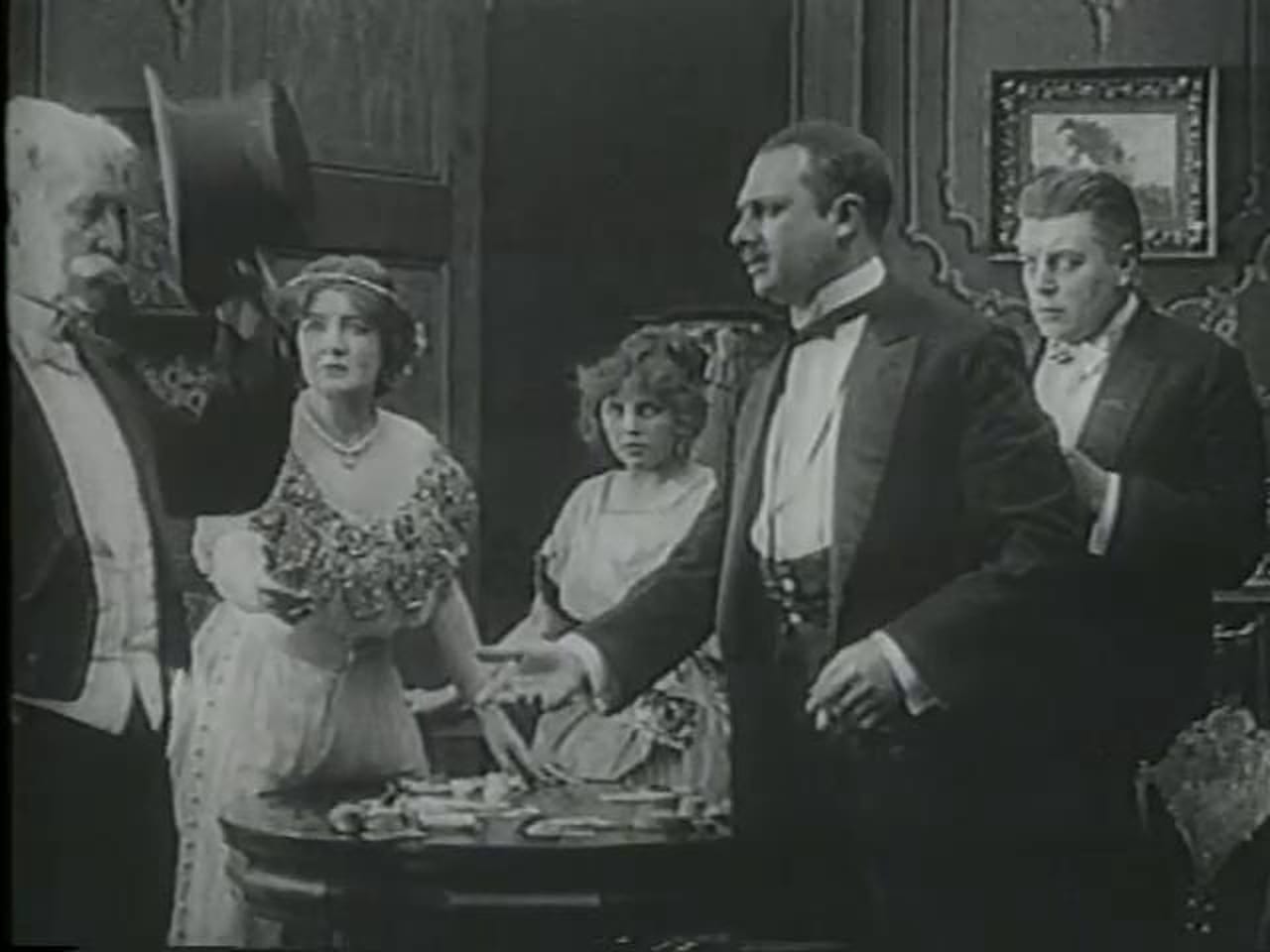
“Hugo longs to paint a great picture. One day he happens to see on the street the very model he has been looking for. The artist follows the woman and her lover, Tony, into a dance hall. Nita scoffs at his proposal, however, until he offers her a good sum of money, if she will pose for him. Then she accepts, and agrees to choose her own costume for the sittings. Next day she presents herself at the studio, wearing the flowing robes of the Madonna. The picture is painted and Hugo wins the Academy prize. Tony, who is intensely jealous of the artist, sneaks into the studio and is in the act of thrusting his knife through the canvas when Nita intercepts him. They struggle. The artist’s cottage is on the top of a high bluff. The two combatants stagger through the door and down over the precipice. Hugo, returning, sees their bodies at the bottom of the cliff. Then, in a vision, Nita appears to him as the Madonna, the woman she might have been. This story is told in fiction form on page sixteen of this issue of Reel Life.”
Summary from Reel Life · 6 March 1915
Another synopsis, from Reel Life · 6 March 19153 min
“Within the shriveled frame of Hugo Lang dwelt a great soul. The same power which had warped and twisted his slender figure until it brought a glance of pity or of horror from all who saw him, had lavishly endowed his hand and eye with the magic of genius. To him was given the power to see things, not as they were but as they might have been, a rare faculty denied to the multitude. With his pencil or brush he was wont to set down the things that he saw, where at men marveled, though some extolled, while others condemned. For it is given to all to see things differently. As for Hugo, himself, he was never content with his work. To his friend Jack Hardin, he confided his ambition. On its face it was distinctly weird, but then all that Hugo did, partook of this quality. ‘I want to paint a scarlet woman,’ he said,—‘a shameless creature—not in the character she fills in life, but in the role she would choose were the power given her to make a choice. When I find the woman, it will be my masterpiece.’
“Hardin smiled thoughtfully. He was accustomed to his friend’s vagaries, but this out-ranged in madness anything he had yet encountered. And at that moment, as if in answer to the artist’s expressed wish, a gorgeously dressed creature, whose loosely rolling eye and painted cheek proclaimed her vocation, escorted by a man of evil mien and lowering feature, passed by them in the throng. For an instant her glance rested boldly on the crippled artist and his friend. She was beautiful beyond all doubt, for all her cosmetics, and there was a subtle something about her that marked her as one apart from the common run of her class. Lang gripped his companion’s arm.
“’It is she,’ he said simply. ‘At last I have found my model.’ And still retaining his hold on his friend’s sleeve, he turned and followed the couple. How they followed the woman and her escort to a low dance hall, and how Hugo, by the offer of a tempting sum, persuaded her to consent to sit for him, need not be set down here. Nor need it be narrated how Neta, as they learned the woman was named, was told to choose the character and costume in which she was to pose, and how jealous her lover, Tony, became at her sudden resolve. It is enough that Neta scornfully ignored his objections and agreed to come to Hugo’s studio, prepared to pose, on the following morning. When the girl appeared at the appointed time, it was to win a spontaneous ejaculation of delight from both men, for Jack Hardin was still with his friend. She was garbed in the flowing robes of the Madonna, and where they had looked to see a Magdalen, the artist in them both saw only the inward woman—the eternal mother of mankind. By some strange psychology her self-chosen role had shriven Neta, until the shackles of her shame had fallen from her like her old garments.
“That day and for many days thereafter Neta sat silent, while the artist worked. Daily, too, a change seemed working within her. It was as if the great soul of the twisted, malformed painter, with which he vitalized his canvas, was taking possession of his model also. The maternal instinct, ever sleeping in the breast of every woman had awakened in the bosom, which, until now, had responded only to the call of passion. Hardin, man of the world, saw, understood, and understanding, marveled, as he watched Neta’s hungry eyes follow Hugo’s grotesque figure, as he moved about the studio while his model rested. When the picture was finished Neta did not go back to her old life. So it was, that when the world rang with the praises of the Lang ‘Madonna,’ and the grand prize of merit was awarded to Hugo by the judges, both shared in the triumph.
“In the joy of the painting’s success both forgot the vengeful Tony. Mad with jealousy he bided his time, but his hate centered on the painting. It personified to his degraded mind all he had lost in Neta’s reformation. The studio stood on a high cliff, and here the girl came upon him one day. He stood, knife in hand, before the picture, intent on ruining it forever. Neta flung herself upon him with superhuman strength and together they struggled, until the two plunged through the open door into the chasm. And here Hugo found her. His frail form shook with emotion as to him came a vision of the Madonna of old. ‘She might have been even such,’ he said simply, and covered the dead girl’s face.”