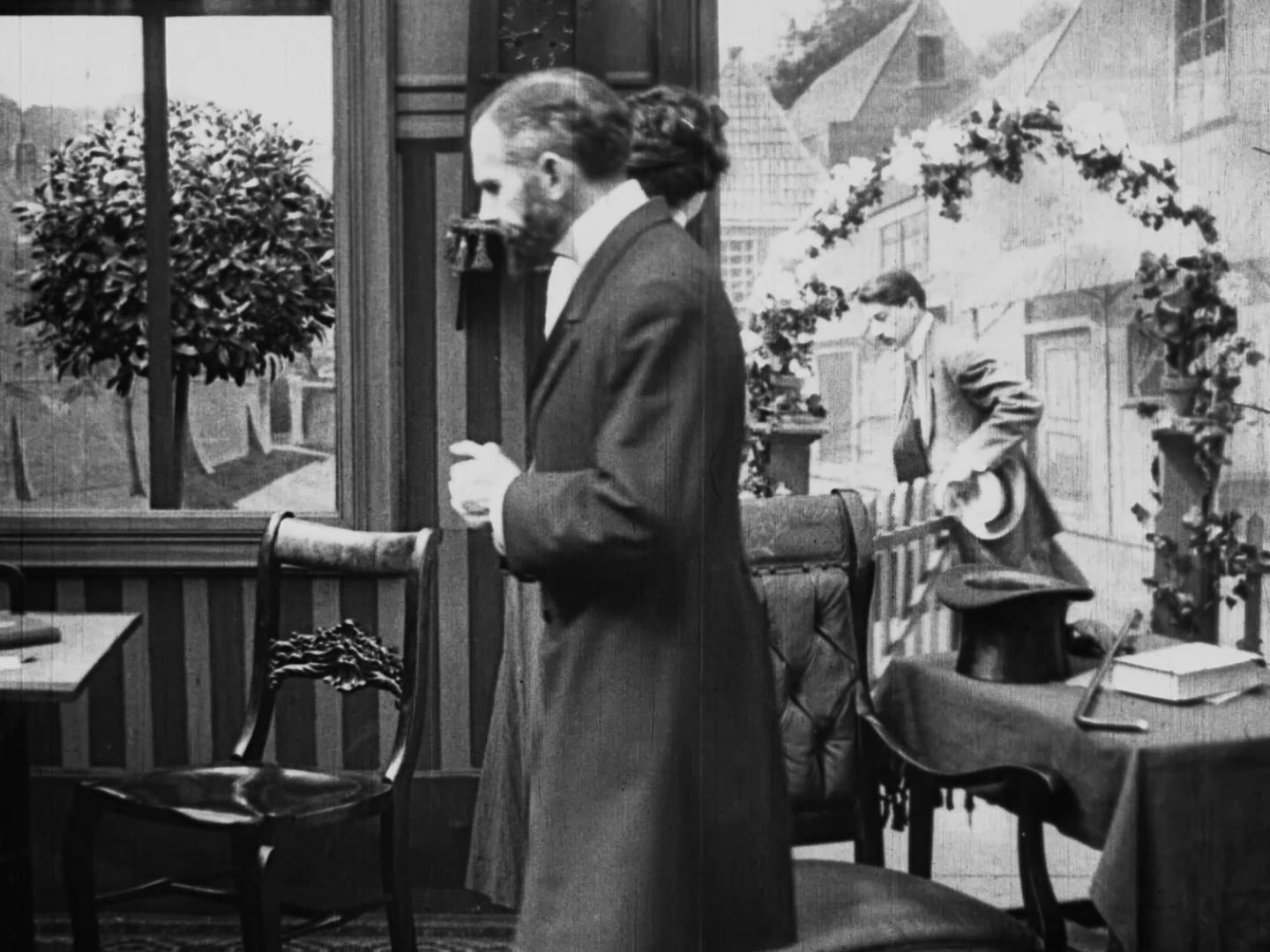
The story
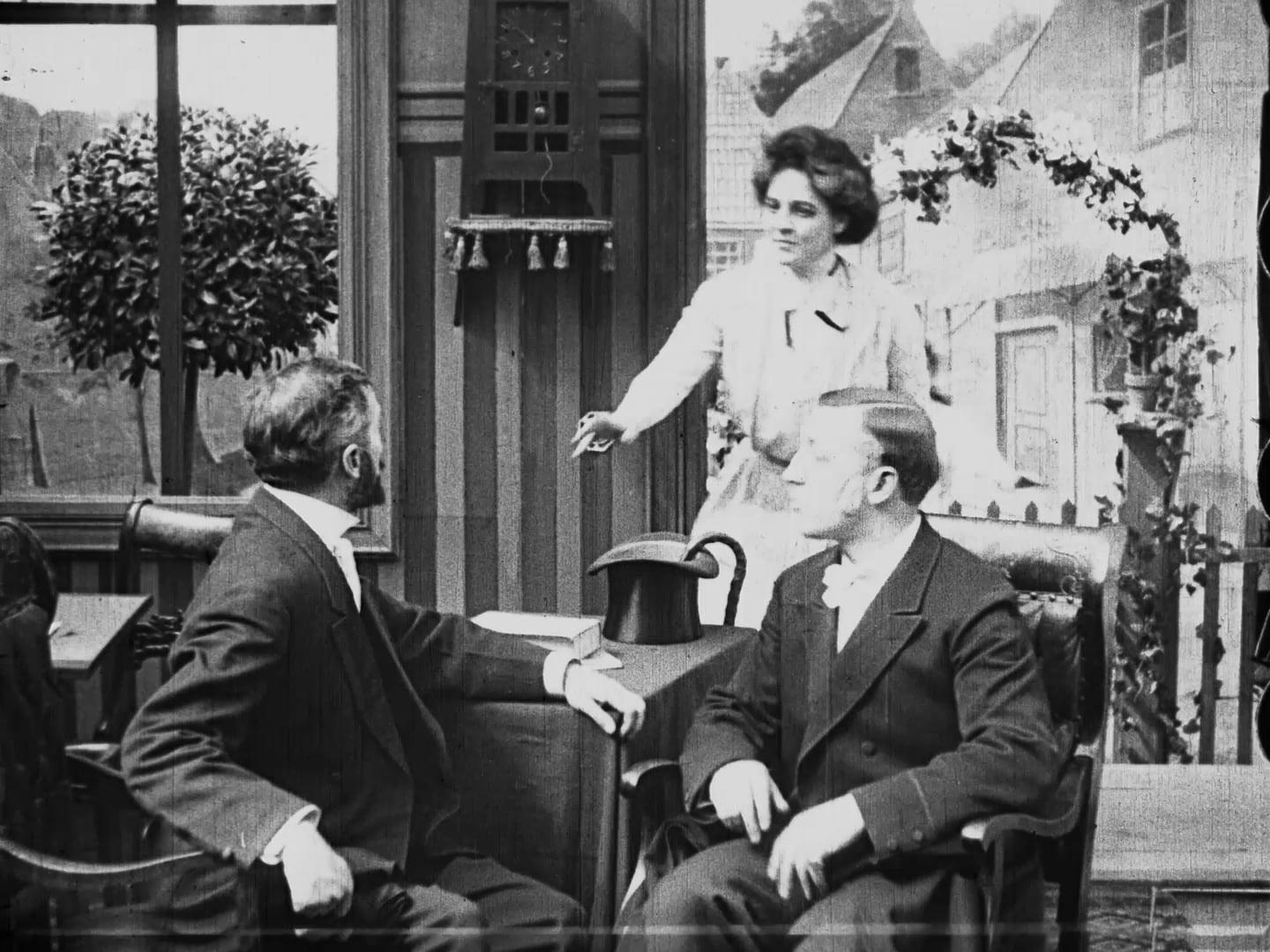
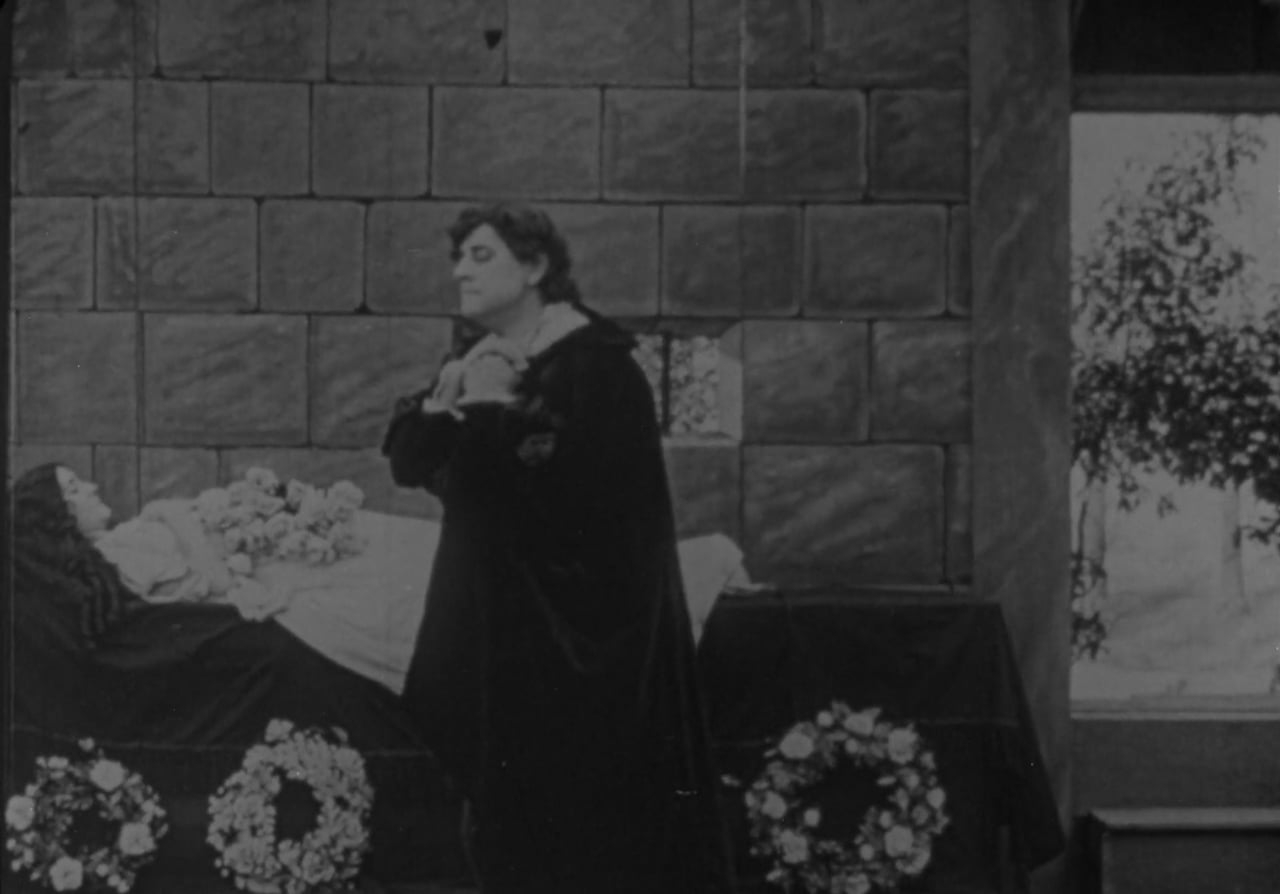
“Young Bernick and Johan Tonnesen are close friends, living in Norway. Bernick is engaged to marry Johan’s sister, who is an heiress. He is simply marrying her for her money, as he is really in love with a wife of an actor. While a visit to his old love, in which he hopes to break off the affair, the woman’s husband unexpectedly enters the room, and Bernick is compelled to escape by the window. Johan, upon learning of his friend’s threatened disgrace, assumes Bernick’s guilt, and leaves the country for America. Bernick takes advantage of his friend’s chivalry by allowing it to be generally believed that Johan also misappropriated funds. In reality, Bernick was guilty of this crime as well as the other. Bernick marries the heiress and takes up his position as one of the ‘pillars of society’ in the community in which he lives, bearing an unsullied reputation.
“When, 12 years later, Johan returns to his native country, he falls in love with a beautiful girl his sister has adopted. She returns his affection, but when the rector tells her that this is the man whom, many years before, wrecked her mother’s happiness, her love turns to misery. Johan then demands that Bernick clear his good name, but Bernick refuses and defies Johan to prove his innocence. Johan leaves to return to America in order to get letters which Bernick wrote in which he confessed his guilt. Johan is to sail for America in a ship which Bernick knows to be unseaworthy, and which puts the sea in a storm. Bernick secretly hopes that the ship will be lost, so that Johan cannot bring back his evidence. Bernick’s little son, however, who is the joy of his father’s life, is greatly taken with his uncle from America, and decides to stow away on the ship in which he sails. Bernick is terror stricken when he learns of his son’s action, and is convinced that he will never see his child again. But the lad is safely returned to him, and experience so chastens his father’s spirit that Bernick confesses his guilt to his fellow townsmen, telling them that he has lived a lie for many years, but in the future they must know him as he is, for no innocent man will again take upon himself guilt which in reality belongs to Consul Bernick. Bernick’s wife, in fullness of her love, freely forgives her husband, and Johan weds the girl of his choice.”
Summary from The Moving Picture World · 6 May 1911
Background of the scenario
Bernard Shaw, who was greatly influenced by him, said of the great Norwegian dramatist Henrik Ibsen (1828-1906) that for the exposition, situation, and unraveling of the older drama he substituted exposition, situation, and discussion. More than any other writer, he is responsible for the preoccupation of the modern drama with the “problem play” and for making the modern theatre a theatre of ideas.
Ibsen was born in Christiania and began writing poetry in 1847 to relieve the misery he suffered as an apothecary’s apprentice. He gained practical theatre experience there and at Bergen, and his earliest plays drew their inspiration largely from the Scandinavian sagas. The Vikings at Helgeland (1858), Love’s Comedy (1862), and The Pretenders (1864) are the most important of these early works; the second, an early expression of his characteristic demand for the freedom of the individual from social and political pressures, aroused much criticism. The far-ranging, sometimes unrealistic poetic dramas, Brand (1866) and Peer Gynt (1867), followed, and in 1873 came the immense Emperor and Galilean, about Julian the Apostate. The League of Youth (1869) was the first of the prose problem plays with which the modern theatre has been most concerned, for Ibsen’s individualism has been easier to understand than his mysticism and has therefore made a wider appeal to actors and audiences. After a brief stay in Italy, he spent much time in Germany, but late in life he returned to Christiana, where he died.
The League of Youth was followed by A Doll’s House (1879), An Enemy of the People (1882), The Wild Duck (1884), Hedda Gabler (1890), The Master Builder (1892), Little Eyolf (1894), and other plays, culminating in When We Dead Awaken (1900). These are all prose plays, though some are more realistic than others (The Lady from the Sea is more loosely woven than most), and Ibsen uses symbolism and other devices dear to the poets wherever he finds it helpful. A Doll’s House is generally presented as a feminist document, but what Ibsen was really interested in was not that Nora was a woman but that she was placed in a situation where it was impossible for her to develop her potentialities as a human being to their full capacity. Similarly, in Ghosts and An Enemy of the People, he uses the specific issues presented, not for themselves but as examples of the hypocrisy and tyranny of society, whatever forms they may assume. (by Edward Wagenknecht for the present work)