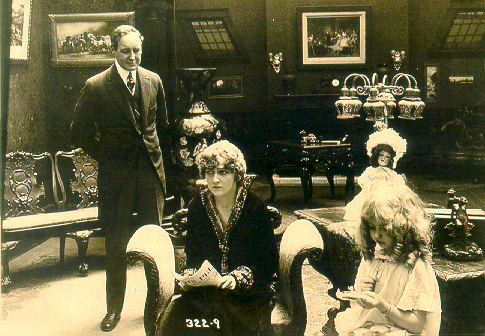
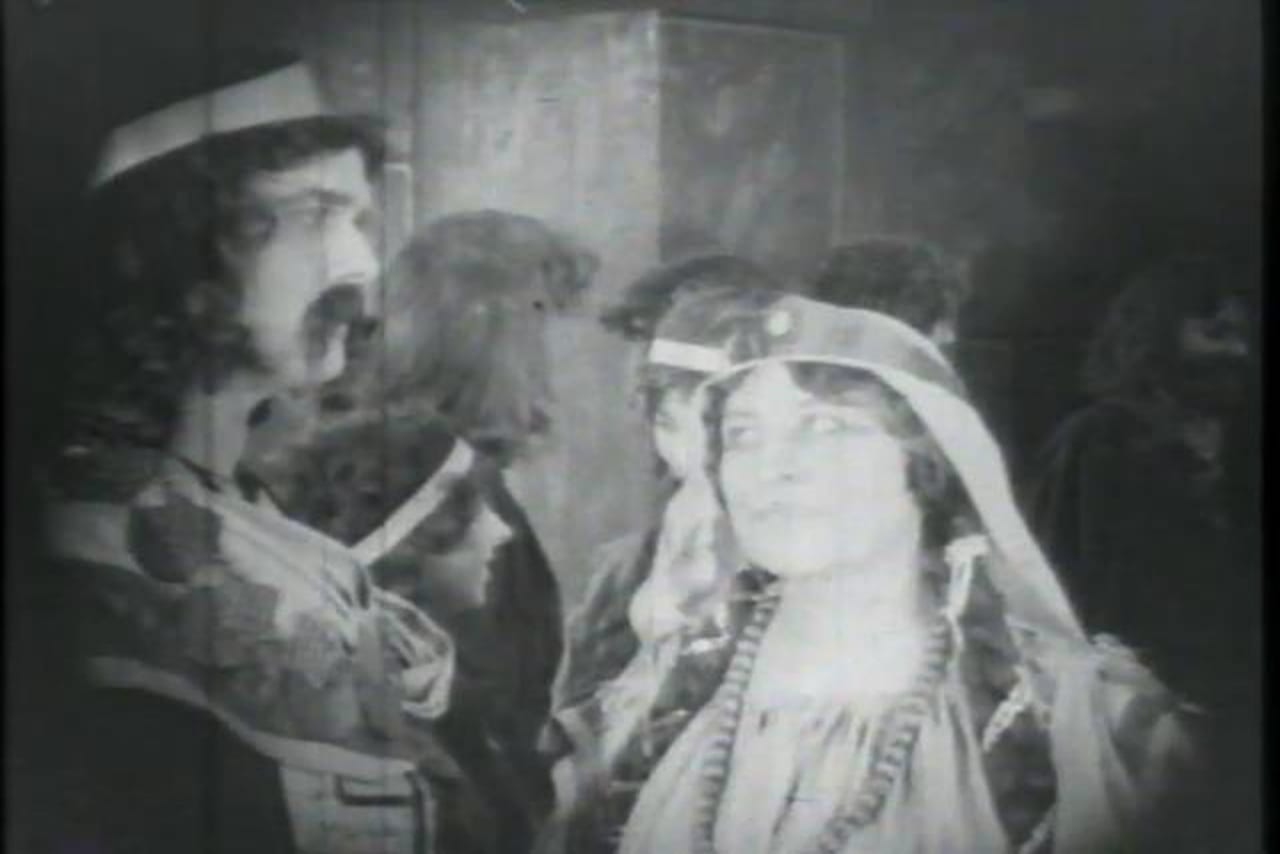
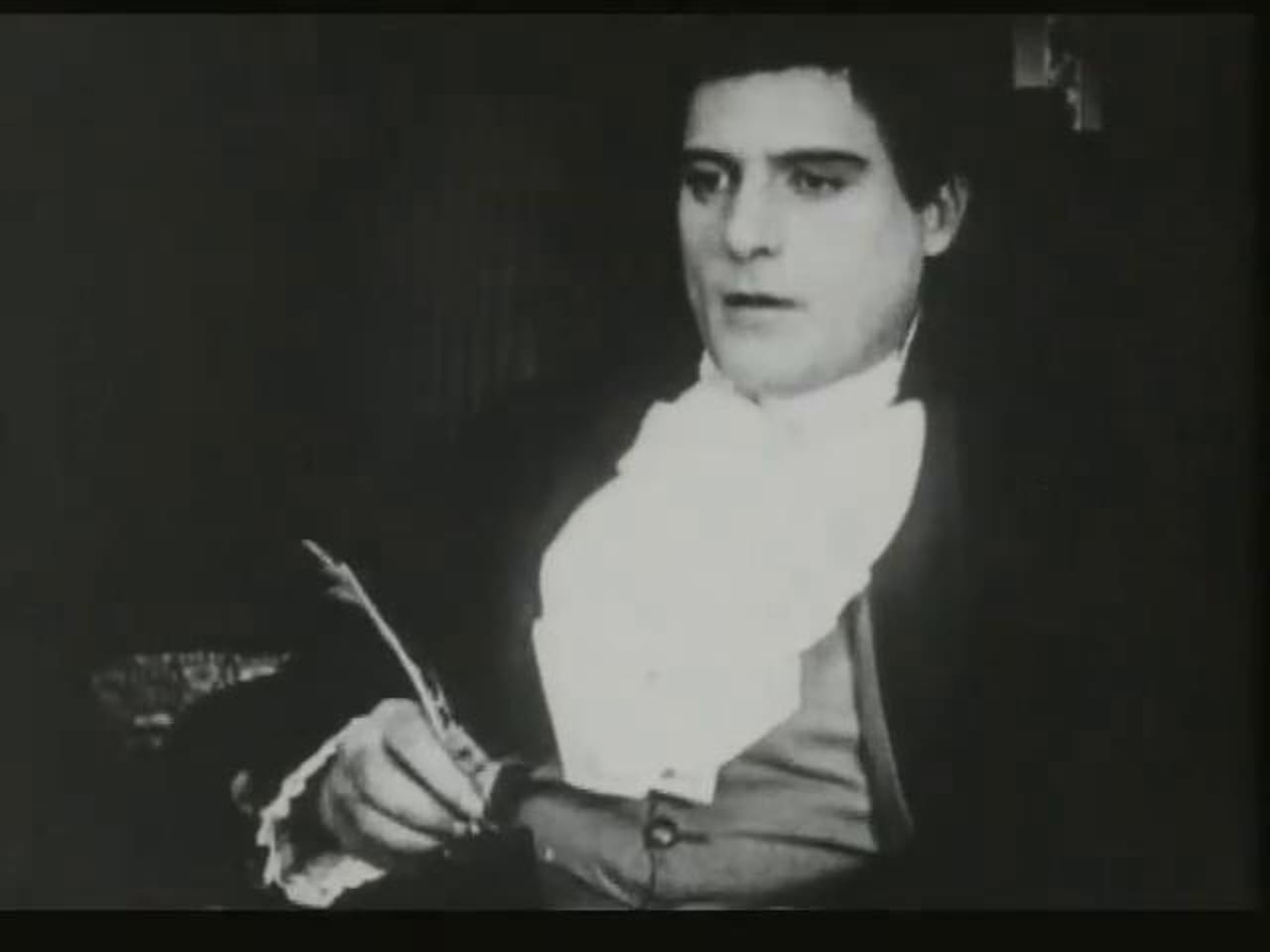
“Here we get a human idea dressed up with a few melodramatic touches which give a swing to the action and serve as a nice contrast to the slower human moments. The entire story centers about the characterization of Gladys Hulette, and this little lady certainly makes good in this, registering a personality which is truly delightful. In many of her close ups she appears very beautiful. Wayne Arey, as the young judge, was decidedly impressive and convincingly human throughout. Other of the principals, particularly the erring wife, were quite mechanical in their actions, the thought coming to me that they were suffering from too much direction. Little Ethelmary Oakland, as the tot who was trying to help her mother and father be agreeable, was given some very cute scenes, there being a number of decidedly pleasing bits between this youngster and Miss Hulette.
“The central story idea of this was splendid, it having to do with a little girl of the slums who made a living by shining shoes and attempted to carry joy to the miserable by smiling herself and suggesting that others try to be happy. She was arrested for stealing a loaf of bread to give to hungry friends, but the young judge of the juvenile court released her after explaining that it was not square to take what belonged to another. As an experiment, the judge sent the child to his country home, and there she grew up with his aged mother. Some years later, we found the judge planning to elope with the wife of his friend, whom he had loved for years, and the ‘Shine Girl’ learned of the plans and spoiled their elopement by confronting the judge with the words of their first meeting, ‘It is not square to take something which belongs to another.’ The little messenger of happiness managed to bring the erring wife back to her husband, and eventually she became the happy bride of the judge.
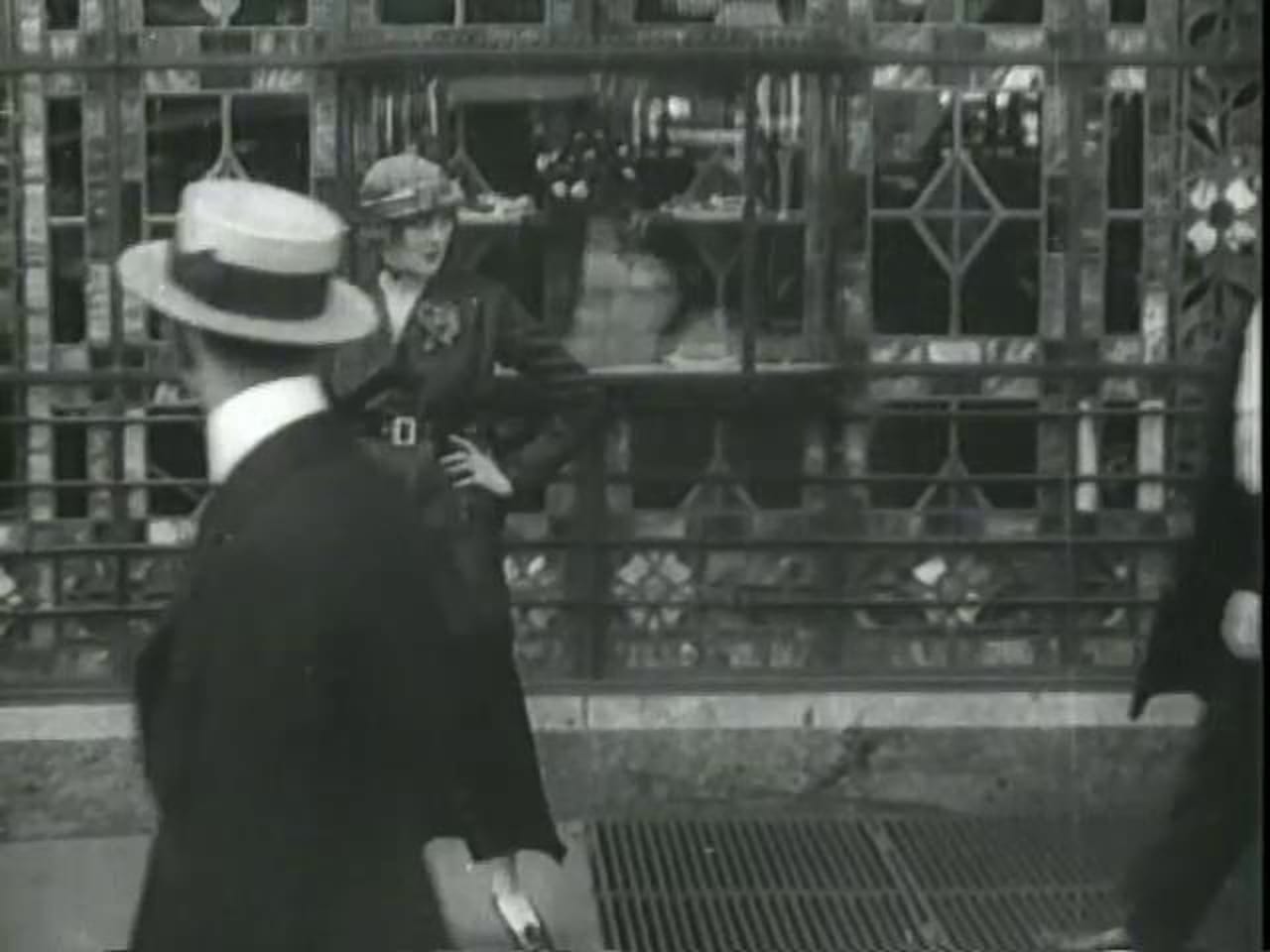
“Some of the exteriors in this were decidedly artistic, because of good composition and effective lighting, and the atmosphere of the slums was very good. There was some good melodramatic stuff at the finish, where the child fell into the water and Miss Hulette rode down a steep bank and swam her horse out into the lake to rescue the youngster. The titles for the most part were very good. One of them at the finish will suggest their general character. It was something like this: ‘Sorrow is like shoe polish. When first put on, it makes the shoes look bad, but in the end it is what gives them the brightest shine.’ One telegram which figured prominently in the action was printed instead of being typewritten, which is inexcusable.
“The Box Office Angle: Taken as a whole, I would say that this is a production which will be decidedly satisfying with any audience, highbrow or lowbrow. It is sufficiently artistic to please the discriminating, and surely it has a good audience appeal because of the central thought. This is not a wonderful production technically, because of a few little things which hold it down in the ‘good’ class instead of allowing it to soar to great height, but it surely is a splendid audience film. When it comes to box-office appeal, I doubt whether Miss Hulette can pull you much business, unless you go out and aggressively boost this as an artistic, human presentation of a truly big idea. You can possibly arouse a lot of interest in this by announcing that it deals with the juvenile court problem, for this is a question of general interest. If you wanted to start a discussion, you might say in your ads, ‘Is it any worse to steal a man’s wife than it is to steal a loaf of bread?’”