1911Thanhouser Company960 feetDrama

When Love Was Blind

No copy you can watch online. No print is known to survive. What follows is what does: the release, the cast, the story, and what the trade press said at the time.

The story

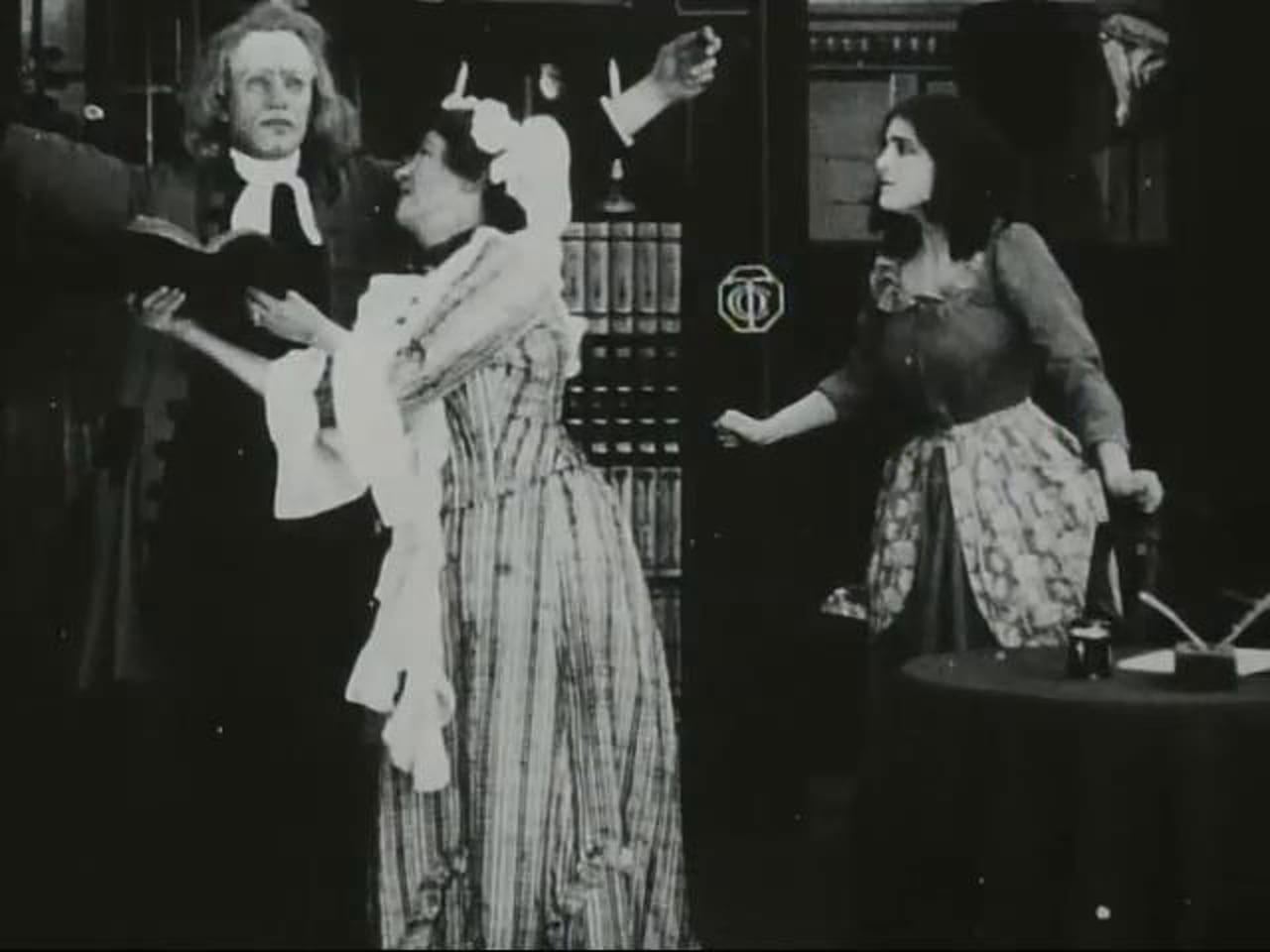
“May Read is a daughter of a wealthy widow. May has been blind from childhood, but bears her affliction bravely. While her mother is out of the house one day, the building catches fire. The cowardly servants forget May and run out of the house. The blind girl, unable to help herself, would have perished had it not been for the bravery of Frank Larson, who fights his way into the house, and carries May into the street. But in so doing Frank is disfigured for life. The young couple fall in love and the mother consents to the marriage, as Frank, outside of his physical affliction, is an eligible man. Two years later, when the couple are possessed of a child, their family physician finds that he can restore May’s lost sight. Frank consents to the operation, although he fears that, when May sees, the sight of a scarred face will lose him her love.

“After the operation, which is successful, the doctor warns May not to remove the bandages, as it may mean that her sight will be lost again. But the desire to see her baby and her husband are too strong. May removes the bandage, and finds that her child is as beautiful as she had expected. Then she glances at her husband, who is standing in the strong light. It blinds her, and she never sees again. But she knows that her baby is all she hoped it to be, and she believes that her husband looks as she had pictured him. So despite her great affliction, she is thoroughly happy.”

Summary from The Moving Picture World · 28 January 1911
What the papers said

3 reviews

“This release portrays a very sad but pretty story of how true affection contented itself with blindness on the part of the wife and facial disfigurement on the part of the husband. The acting is very good on the part of all who play. In short the film is very pleasing and can stand substantial recognition. The photography was well …

Read in full · 1 min

“This release portrays a very sad but pretty story of how true affection contented itself with blindness on the part of the wife and facial disfigurement on the part of the husband. The acting is very good on the part of all who play. In short the film is very pleasing and can stand substantial recognition. The photography was well up to the Thanhouser marque.”

REVIEW by Walton, The Moving Picture News, February 11, 1911: This review is reprinted in the narrative section of the present work.

The Billboard · 28 January 1911

“When this picture is past, the wonder will linger long in the memory whether the wife would have loved her husband just the same if she had seen him in the short time when her affliction was alleviated. And it must be admitted that the producers have added materially to the dramatic interest of the film by leaving that question …

Read in full · 1 min

“When this picture is past, the wonder will linger long in the memory whether the wife would have loved her husband just the same if she had seen him in the short time when her affliction was alleviated. And it must be admitted that the producers have added materially to the dramatic interest of the film by leaving that question unanswered. The baby was pretty, and allowing her to see, confirmed her partially-formed impressions of what the baby looked like. She had pictured her husband as beautiful, too, without realizing the disfigurement on his countenance. Seeing the baby and catching only a fleeting glimpse of the man, would naturally think that the man, too, was as handsome as the baby, and thus live on in blissful ignorance of the true facts. A simple subject, clearly understood, has been handled in a masterly way. The air of mystery which adds interest to all scenes of this or any other character, has been maintained and there is little question that the audience joins in this speculation as soon as the film leaves the screens.”

The Moving Picture World · 4 February 1911

More reviews

1 February 1911The New York Dramatic Mirror1 min

“A mother leaves her blind daughter in charge of a maid. The house catches fire. The maid flees, and a young man passing by, at the risk of his own life enters the house and saves the blind girl. He is disfigured for life, and marries her, glad that she cannot see his unsightly face. A child is born, however, and the mother is so desirous of seeing her baby that a specialist is found who believes he can restore her sight. With the child in her arms she becomes impatient and lifts the bandages too soon. She gets one glimpse of her baby, and all is dark again, and she is content to let it so remain. Although the idea is not new, it is a very well rendered picture, nicely mounted, and acted with due appreciation, though the young man’s struggle in the smoke is a bit unnaturally overdrawn. The flames did not seem to eat their way or change their place as the fire progressed.”

Have you seen this film, or a print of it?

Prints of films thought lost still turn up in attics, private collections and archives. A record like this one is how the next one gets found.

Tell us about a print

Cast and crew

Cast
Lucille Younge as May Read

Every name opens that person's page, with each film they appear in and which of them you can watch.

Watch instead

Films you can watch from the same company

Matched by cast, director and kind

More about this film

Bowers’ notes
  1. The same title, When Love Was Blind, was used by Thanhouser for a five-reel film released on April 15, 1917. 2. This film represented Miss Younge’s first appearance before a motion picture camera.

From Volume II: Filmography of Q. David Bowers’ Thanhouser Films: An Encyclopedia and History, reproduced with permission and unchanged. Read the history of 1911 →

Cite as: Bowers, Q. David. Thanhouser Films: An Encyclopedia and History, “When Love Was Blind”. thanhouser.org/films/when-love-was-blind-1911/

Where a print is held

Held by
No print known