The story
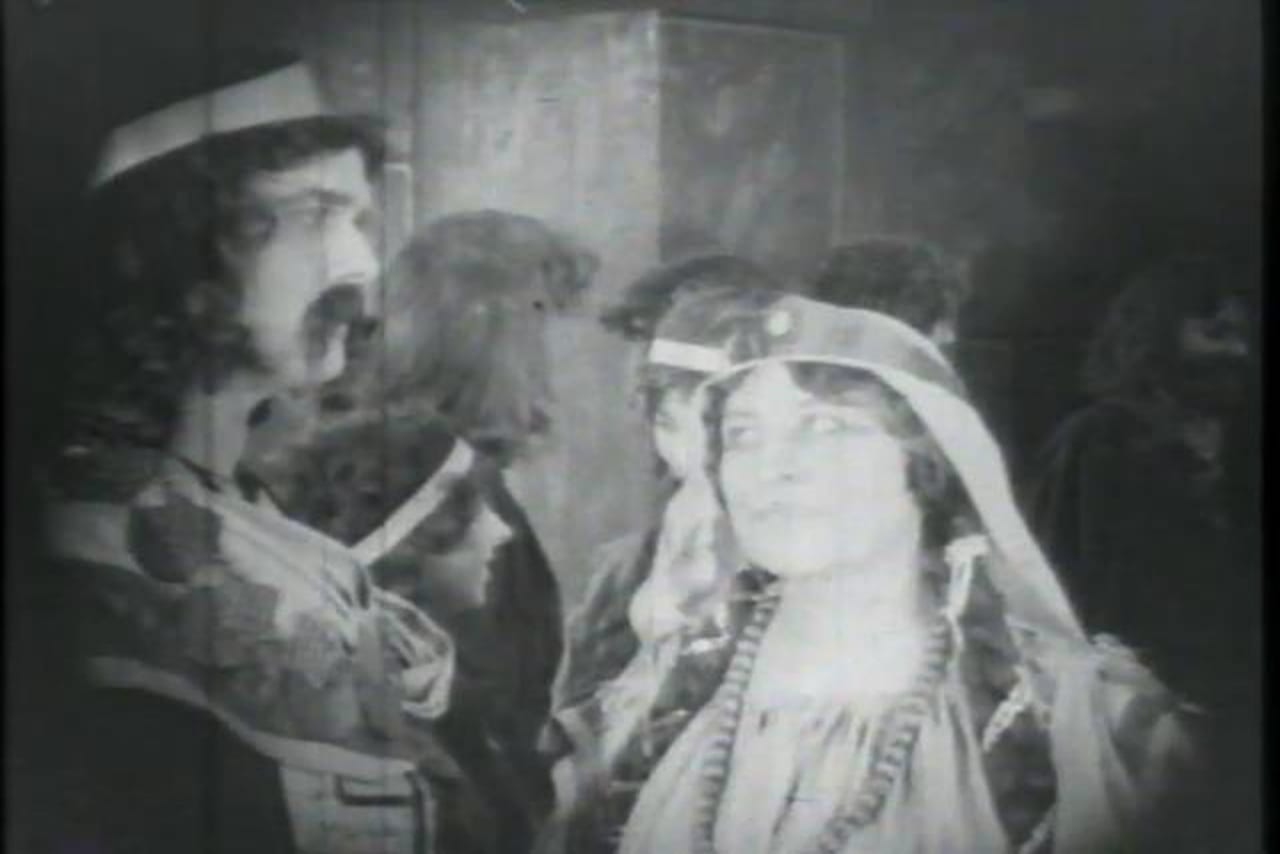
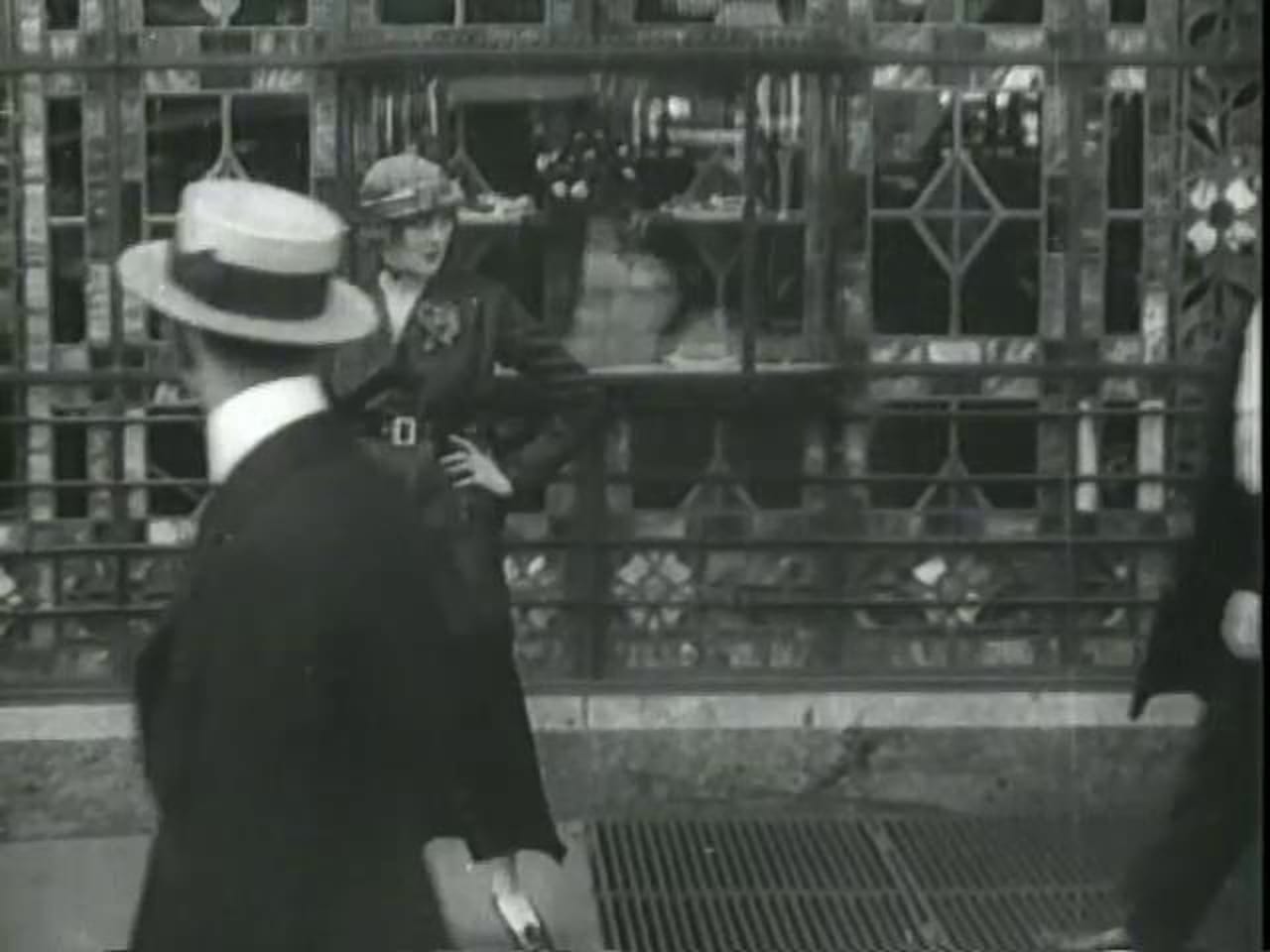
“’That the lifting up of the weak, in the long run, is an unprofitable and useless business, is evident upon very brief reflection. Philanthropy, considered largely, is inevitably a failure. Nothing is more patent, indeed, than the fact that charity merely converts the unfit—who, in the course of nature, would soon die out and cease to encumber the earth—into parasites, who live on indefinitely, a nuisance and a burden to their betters.’ The professor of philosophy closed the book he had been reading, and pondered over the teachings of Nietzsche, the German philosopher. He, too, believed as the German did, that only the strong were of any consequence. As the professor pondered, his daughter came into the library, bringing with her a poor, emaciated, hungry-looking bit of humanity. ‘Oh, father,’ she said, ‘this poor little girl lost her position in the factory, and is nearly dead from hunger. I’ve brought her home to stay with me a while.’
“The professor’s daughter was no weakling, and he was used to letting her have her own way. And so, much against his will, he let her bring the little factory girl into the house. As the girl grew stronger, the professor’s daughter, thinking she would give her a chance to improve her ability as a seamstress, gave her several of her beautiful dresses to make over. Untrained as a skilled dressmaker, however, she ruined the shimmering gowns. Her sorrow did not impress the professor, who only saw that again had Nietzsche’s theory been proved. He told his daughter that she was ‘one of the unfit.’ The girl had heard the professor’s remarks, and, stung by their unfairness, left the house. Life then became a struggle for the untrained factory girl. One day, as the professor’s daughter was working among ‘her people,’ as she called the poor of the Lower East Side, a notorious gangster saw her.
“Shortly after, the young settlement worker came upon two rough men mishandling a cripple. She ran to the victim’s aid, but the men thrust her aside. Before the sick man could be seriously injured, a big, handsome fellow arrived on the scene, and put the bullies to flight. The rescuer was the gangster, and before the professor’s daughter left him to escort the cripple home, he had promised to come to the settlement house school, and learn to be a better man. At the settlement the gangster progressed so rapidly, and seemed so truly reformed, that before she realized it, the professor’s daughter had promised to become his bride. In the meantime, affairs had progressed brightly for the little factory girl. A new foreman had come to the factory. He was a clean-minded, intelligent young fellow, and before long they planned an early marriage. The professor was completely stunned when he received word that his daughter had promised to marry a ‘reformed’ gangster, an ex-convict. He stormed and threatened, and in his hour of sorrow, he remembered one of Nietzsche’s quotations, which seemed to mock him—‘The strong must grow stronger,’ it ran, ‘and that they may do so, they must waste no strength in the vain task of trying to lift up the weak.’
“Down on the East Side lived a little factory girl, once weak, but now strong. It was she who came to him in his hour of need and offered her assistance. ‘Bring your daughter to my house tonight,’ she said. ‘I can save her.’ That evening the professor asked his daughter to take him on a visit to the East Side. Surprised, the girl assented. He evinced considerable interest in the little factory girl. ‘Would you like to see her?’ asked the surprised daughter. ‘Let me take you to her home.’ The two climbed the tenement stairs to her rooms. Soon a knock came at the door, and the loud voice of the gangster resounded through the rooms. He was half drunk, and between loud jesting and roars, he confessed that he did not care for the professor’s daughter, he wanted her money. Suddenly the door opened and the foreman burst in. Certain that his sweetheart was untrue, he gave the man a blow which sent him reeling against the wall, denounced her bitterly, and turned to go. His progress was arrested by the professor’s daughter, who had heard all. She told him what had occurred, and he begged his sweetheart’s forgiveness. As the professor and his daughter left the tenement, the scholar said: ‘Nietzsche has lost one disciple. Never more will I despise the weak.’”
Summary from Reel Life · 18 September 1915