1916Thanhouser CompanyTwo reelsDrama

Brothers Equal

No copy you can watch online. No print is known to survive. What follows is what does: the release, the cast, the story, and what the trade press said at the time.

The story

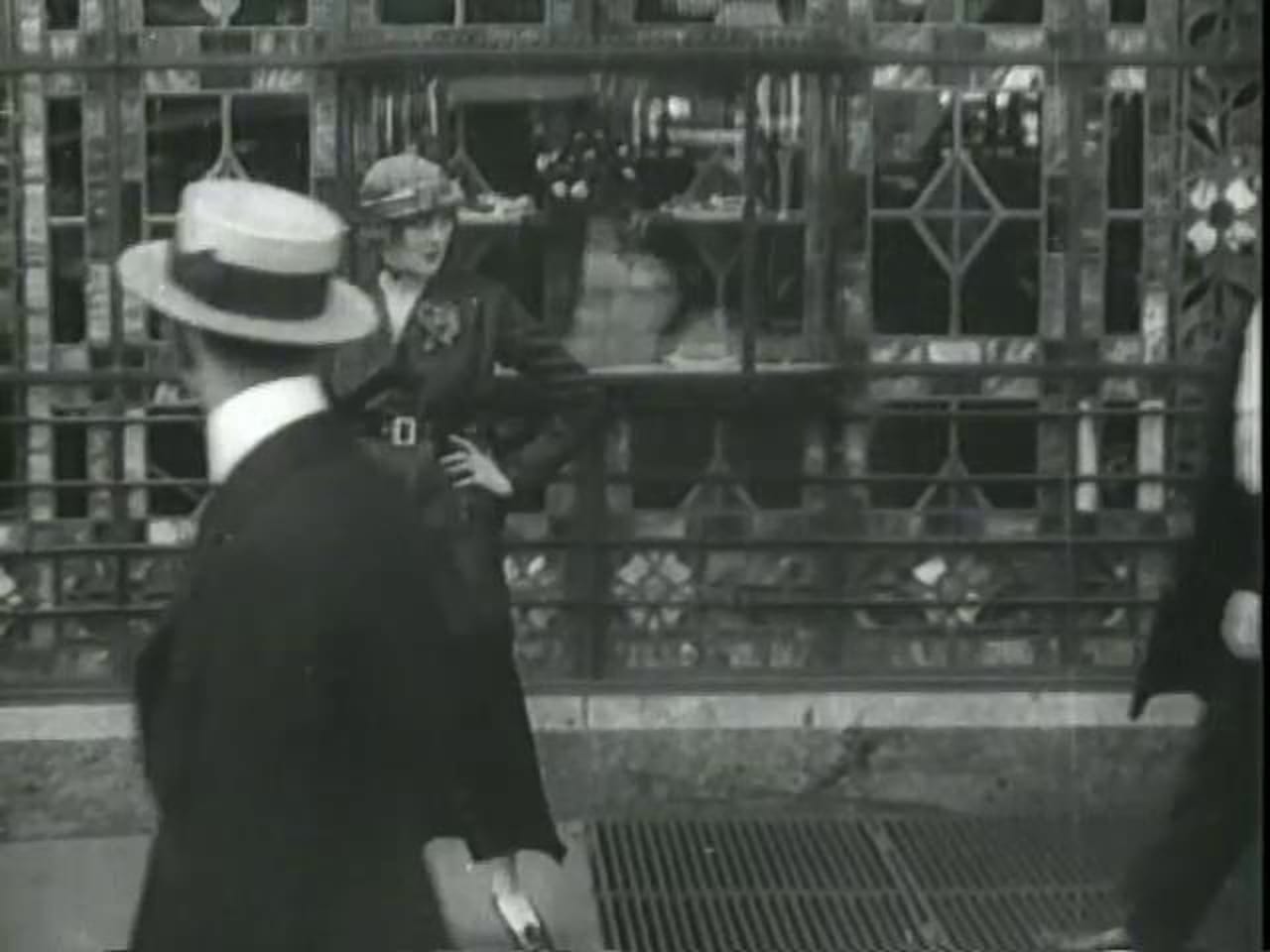
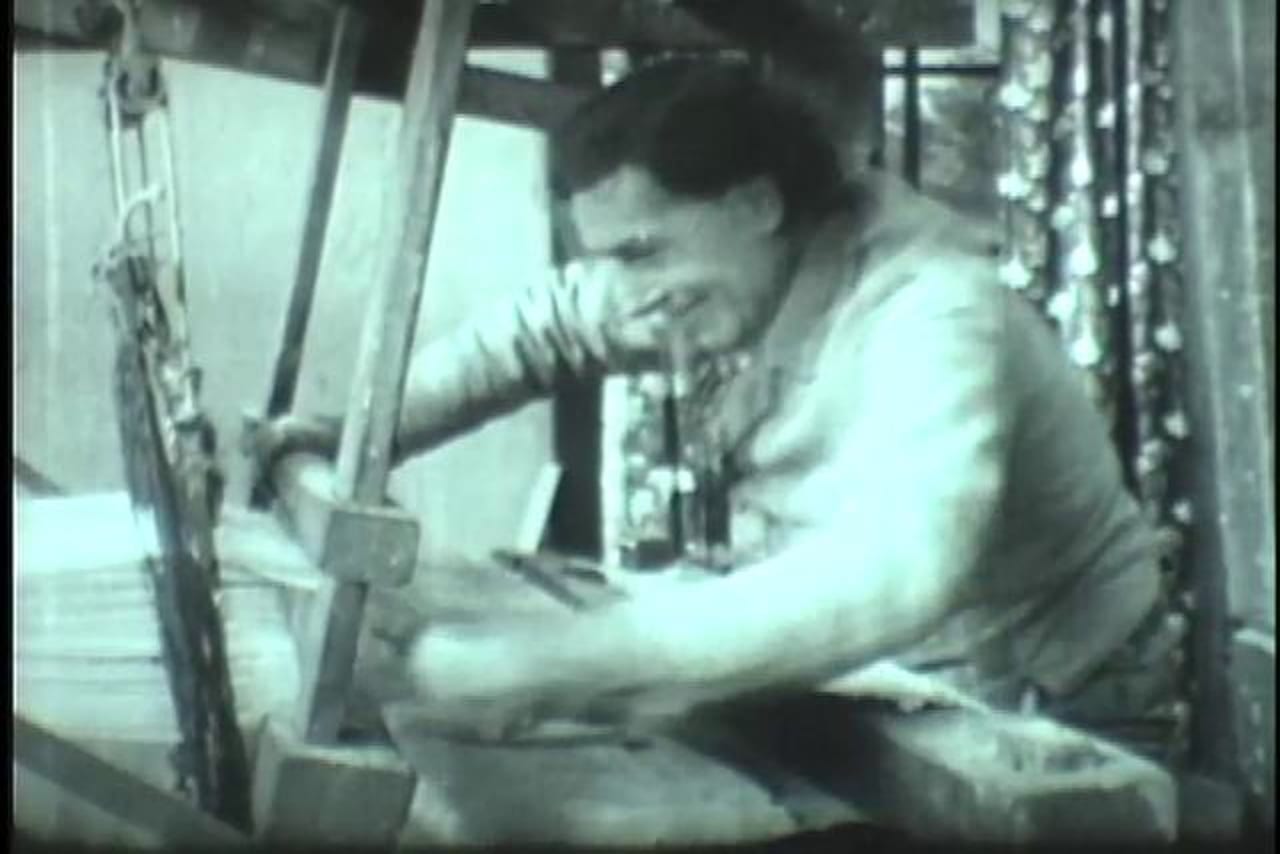
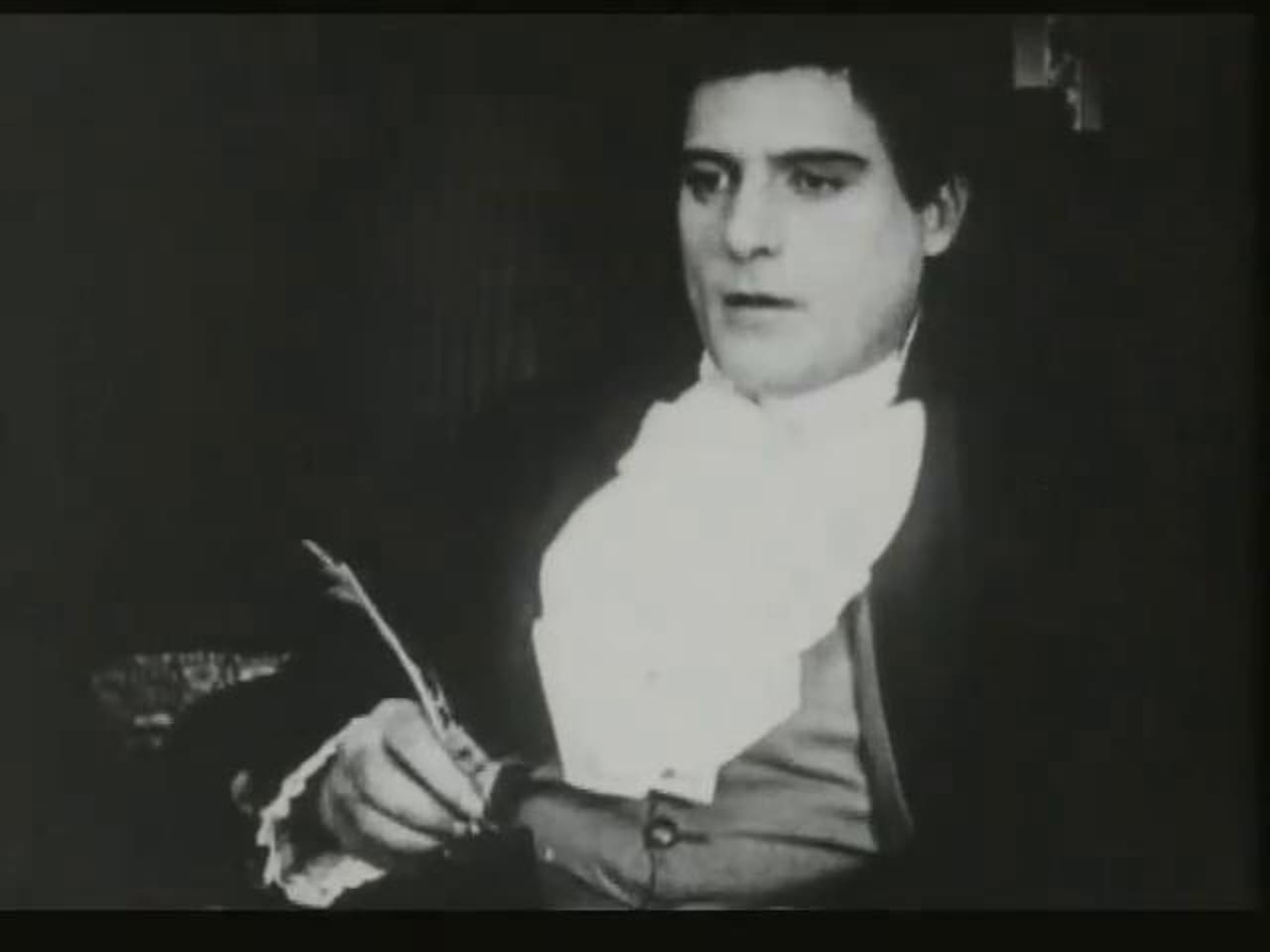
“A ruggedly beautiful love drama of unpolished hearts and of primitive passions, is Brothers Equal, a two-part Thanhouser-Mutual feature. It is a story of infinite variety ranging from the heart of the metropolis to a tropical South Seas Island, embodying the tang of the sea and the voice of the city. Robert Vaughn’s characterization of the socialist, an intensely dramatic role, stamps him as a finished actor. Dainty Barbara Gilroy, as the heroine, is afforded a romantic background amid the grandeur and immensity of the tropics. Heartbroken at the death of his wife, a retired trader, according to the story, left his infant son in the care of relatives and returned to the sea. The son grew to manhood and took up the cause of socialism. To practice his theories he bought an island in the tropics, and accompanied by his fiancée and her family, visited the beautiful spot. Meanwhile the sister of his fiancée was rescued from drowning by a half-breed fisherman. It is discovered that the fisherman is a half-brother of the socialist. The fisherman is no mate for the Northern girl, but in the tropics love is elementary. They are about to elope, when the socialist forgets his theories of all races being created equal, and tells the girl the truth about her lover’s birth. She is horror-stricken. The fisherman gives his life in exchange for that of his mother, whom he snatches from the flames. Dying, he turns his eyes to the socialist.”

Summary from Reel Life · 10 June 1916
What the papers said

1 review

“A two-part production based on race prejudice. In visiting an estate of his father the heir of the estate meets a white man who he afterward discovers is the son of a colored woman by his own father. The mother, a leper, about to be burned to death, is rescued by her son, who then kills himself in the presence …

Read in full · 1 min

“A two-part production based on race prejudice. In visiting an estate of his father the heir of the estate meets a white man who he afterward discovers is the son of a colored woman by his own father. The mother, a leper, about to be burned to death, is rescued by her son, who then kills himself in the presence of the white girl with whom he is in love, his brother and others. The picture, although not a pleasant one, inspires thought. It portrays the young man after preaching equal brotherhood to the Negroes discovering what the problem means when brought home to himself.”

The Moving Picture World · 24 June 1916

Have you seen this film, or a print of it?

Prints of films thought lost still turn up in attics, private collections and archives. A record like this one is how the next one gets found.

Tell us about a print

Cast and crew

Cast
Arthur Bauer as retired trader
Barbara Gilroy as the girl
Gladys Dore as the fisherman’s sweetheart
Robert Vaughn as son of the retired trader
Thomas A. Curran as another son, a fisherman

Every name opens that person's page, with each film they appear in and which of them you can watch.

Watch instead

Films you can watch from the same company

Matched by cast, director and kind

More about this film

Filmed in
Jacksonville, Florida and vicinity
Bowers’ notes

Master “Bopps” Jones, five years of age, was the son of Thanhouser actor Morgan Jones.

ARTICLE by Tracey Hollingsworth, “Flivers From Film Folk” column, The Florida Metropolis, May 13, 1916:

“Director Kelsey of Thanhouser burnt a perfectly good house to the ground at Pablo the other day in a scene in Brothers Equal. These movie people certainly believe in putting realism into the films.”

From Volume II: Filmography of Q. David Bowers’ Thanhouser Films: An Encyclopedia and History, reproduced with permission and unchanged. Read the history of 1916 →

Cite as: Bowers, Q. David. Thanhouser Films: An Encyclopedia and History, “Brothers Equal”. thanhouser.org/films/brothers-equal/

Where a print is held

Held by
No print known