The story
“In Master Shakespeare, Strolling Player, an interesting and highly artistic Mutual Masterpicture, DeLuxe Edition, the much mooted question as to whether Shakespeare or Bacon was the real author of the plays attributed to Shakespeare, forms the basis for a production which is very timely as well as tensely dramatic. The Shakespearean Tercentenary is absorbing the attention of the literary and dramatic fields this spring. It is extremely interesting that Shakespeare himself, the man whose knowledge of life, whose generosity and whose genial humor is betrayed in all of his plays, should himself be introduced to the screen.
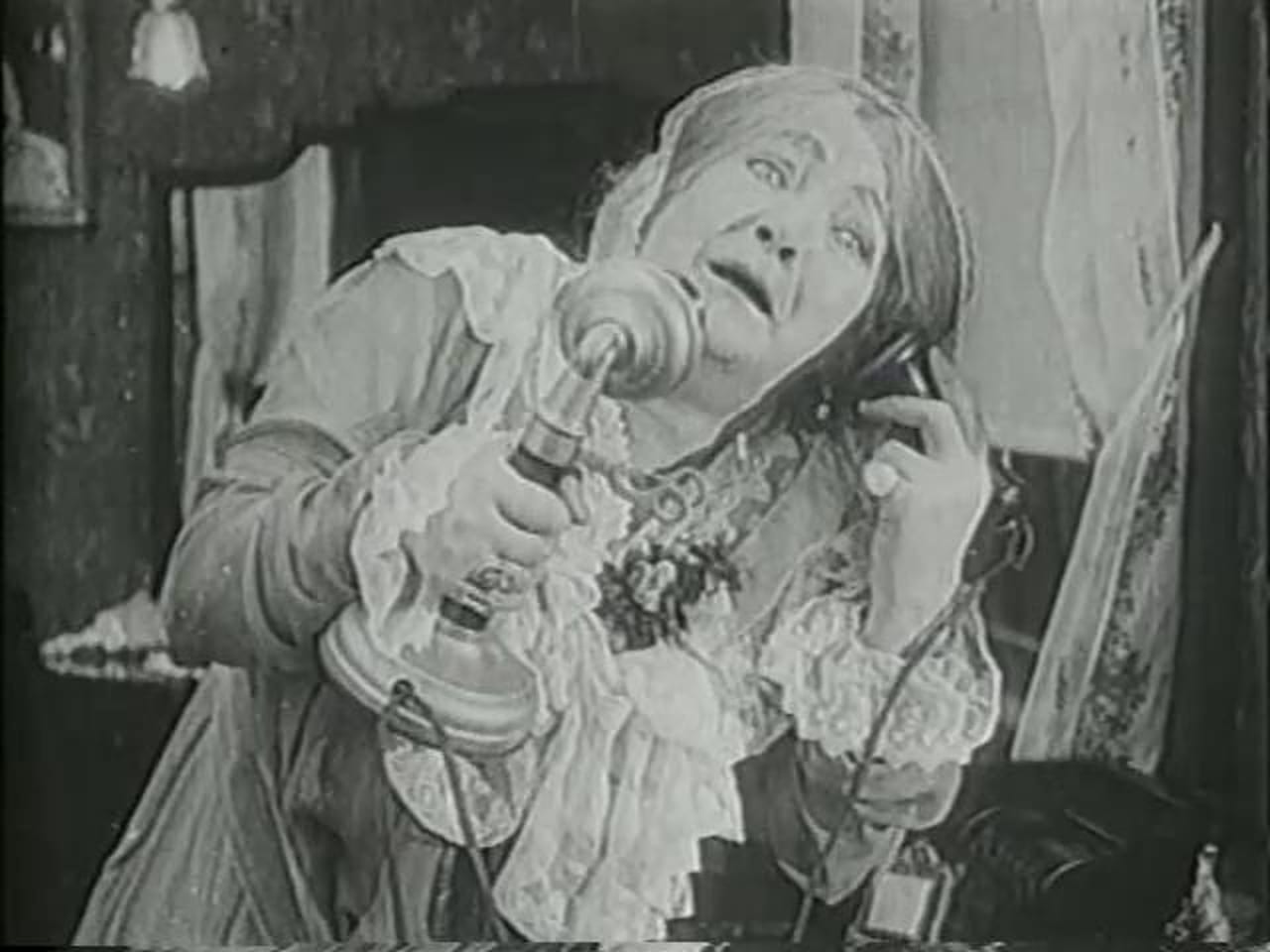
“Lawrence Swinburne, the Thanhouser player, is seen in the role of Master Shakespeare, the strolling player. Miss Florence LaBadie, the Thanhouser star, is Miss Gray, the young lady whose difference in literary tastes from those of her fiancé, causes a serious climax in the drama. Miss Gray, the daughter of Colonel Gray, according to the story, is very fond of literature. The plays of Shakespeare have afforded special interest to her, but she has come to believe, very sincerely, that they were the work of Bacon instead of the Bard of Avon. The girl’s fiancé, Lieutenant Stanton, does not agree with her. At last, because she has been used to having her own way in every particular, she determines to make her affianced husband agree with her on this one subject. Their discussion leads to a serious misunderstanding, and their engagement is broken.
“Stanton is transferred, at his request, to the Mexican border. After his departure she feels more curious than ever about Shakespeare’s life and reads his plays and studies his life with a new eagerness. At length she comes to learn that humanity and understanding means more than a coronet, and feels that her pride of race had previously made her unjust. At this time, a dispatch from the West tells her that Stanton has been wounded in a fight with bandits. In her delirium she finds herself standing in front of an old English castle. A stately woman, in the costume of the Elizabethan period, addresses her as ‘daughter,’ and orders her to enter the coach. At first puzzled, the girl at length realizes that she is back again in the 16th century in England, and that she is the daughter of the Earl of Pembroke.
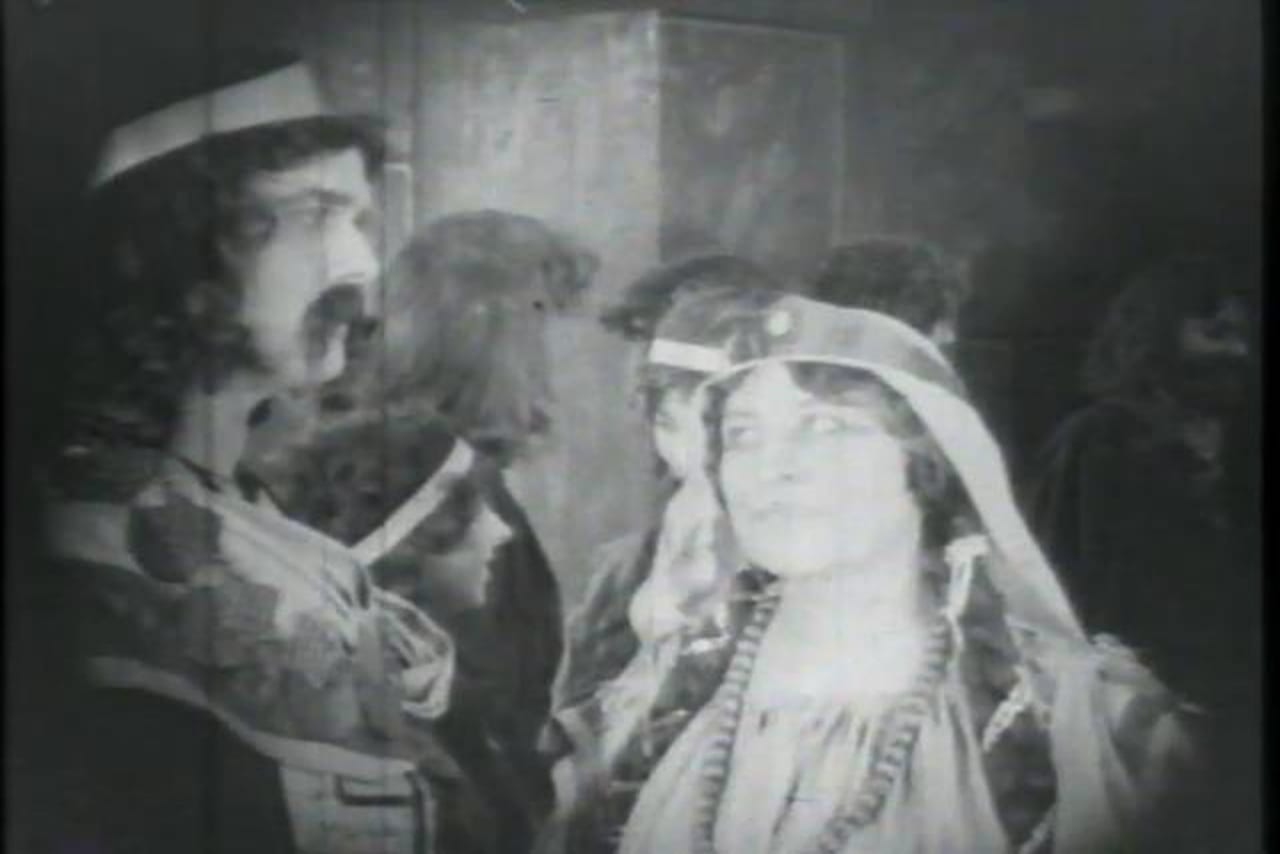
“At a tavern in the country, the coach stops to change horses, and the girl and Lady Pembroke alight, wearing the masks with which ladies of the court always travel. A handsomely dressed noble, who had long wooed the young lady in vain, passes by. He determines to steal her away to his castle. Summoning his retainers, the noble enters the tavern, and is at the point of carrying the girl away, when a young soldier, a trusted follower of Drake, espouses the girl’s cause, and, single-handed, holds the enemies back. To her surprise, the girl recognizes her former fiancé, Lieut. Stanton. The combat is so unequal that it seems as if the young soldier will be overcome. At this juncture a stranger enters the room, draws his sword in behalf of the youth, and joins in the fray. The assailants of the young woman are put to rout, and the gallant rescuer announces himself with a bow and flourish, as Master Shakespeare, Strolling Player.
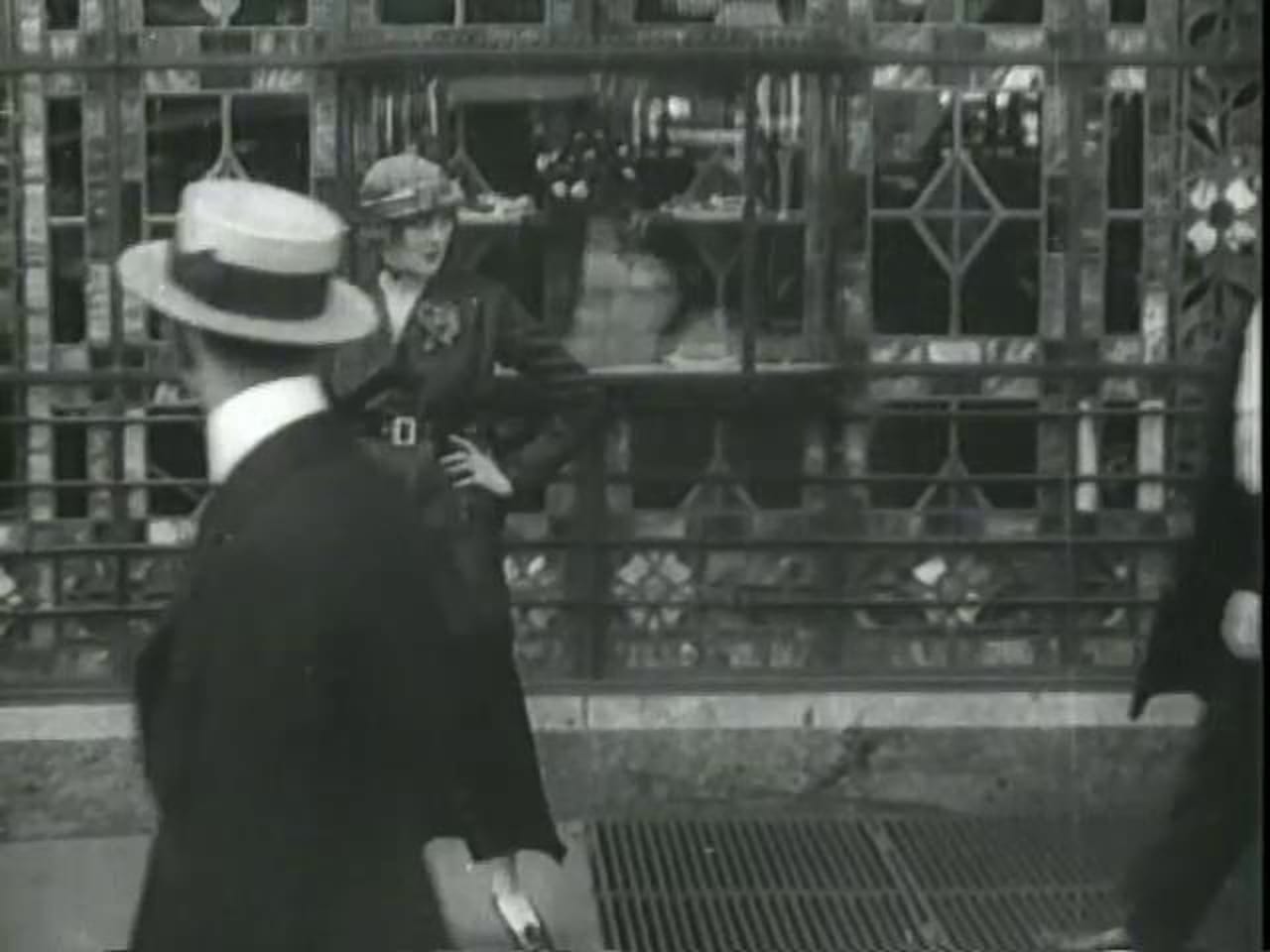
“At the performance of Shakespeare’s play before the court, Lord Bacon sends one of the poet’s scholars, whom he had bribed, to declare that Shakespeare had stolen the play from him. Bacon brings about a duel, and the young officer, less skilled than he, is killed. As the girl throws herself on the lifeless form of the soldier, she awakes, and finds herself back in the 20th century, safe in her father’s house. And from the other room appears the sturdy form of the young lieutenant, who had only been injured in Mexico.”
Summary from Reel Life · 8 April 1916