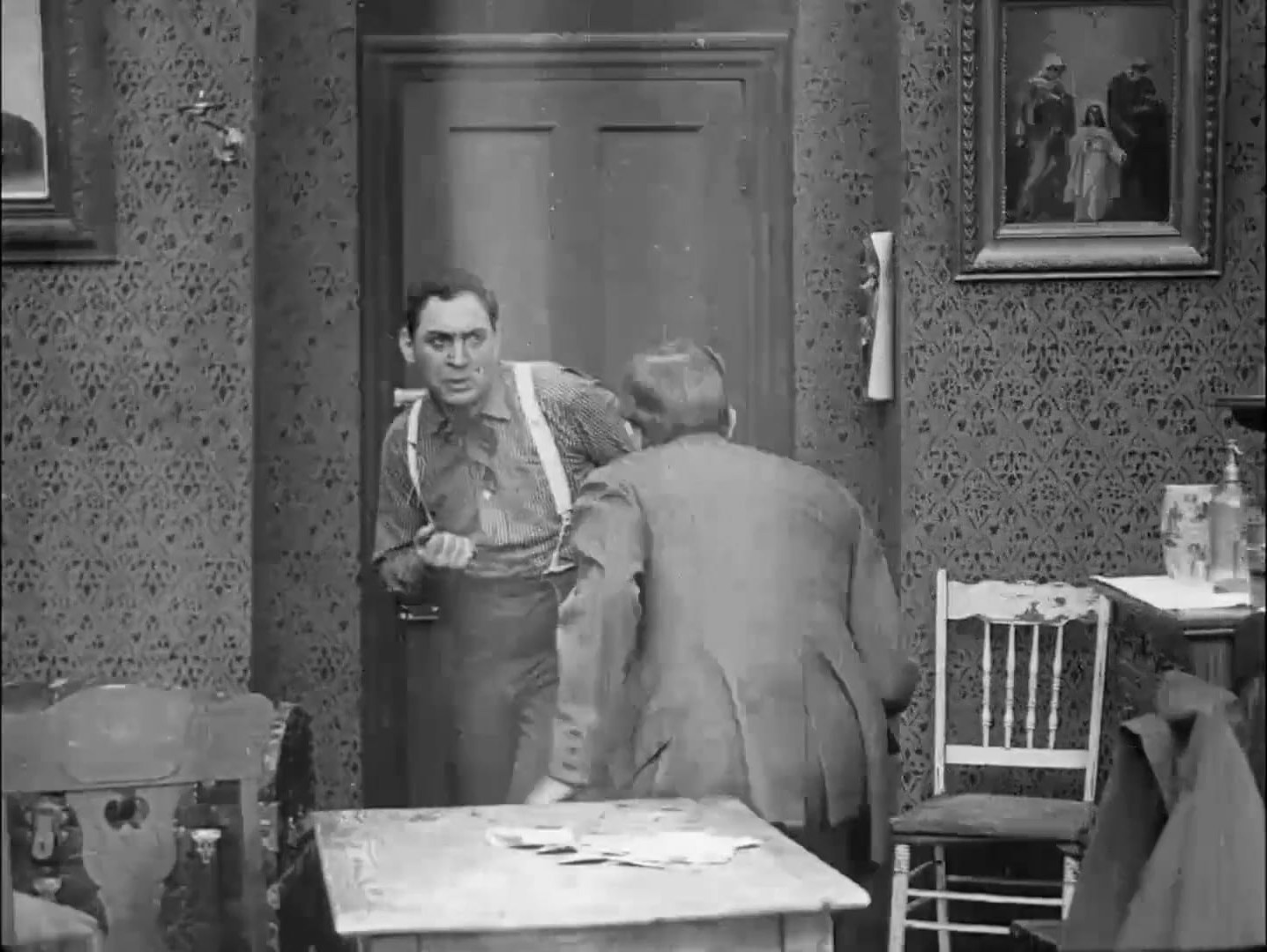
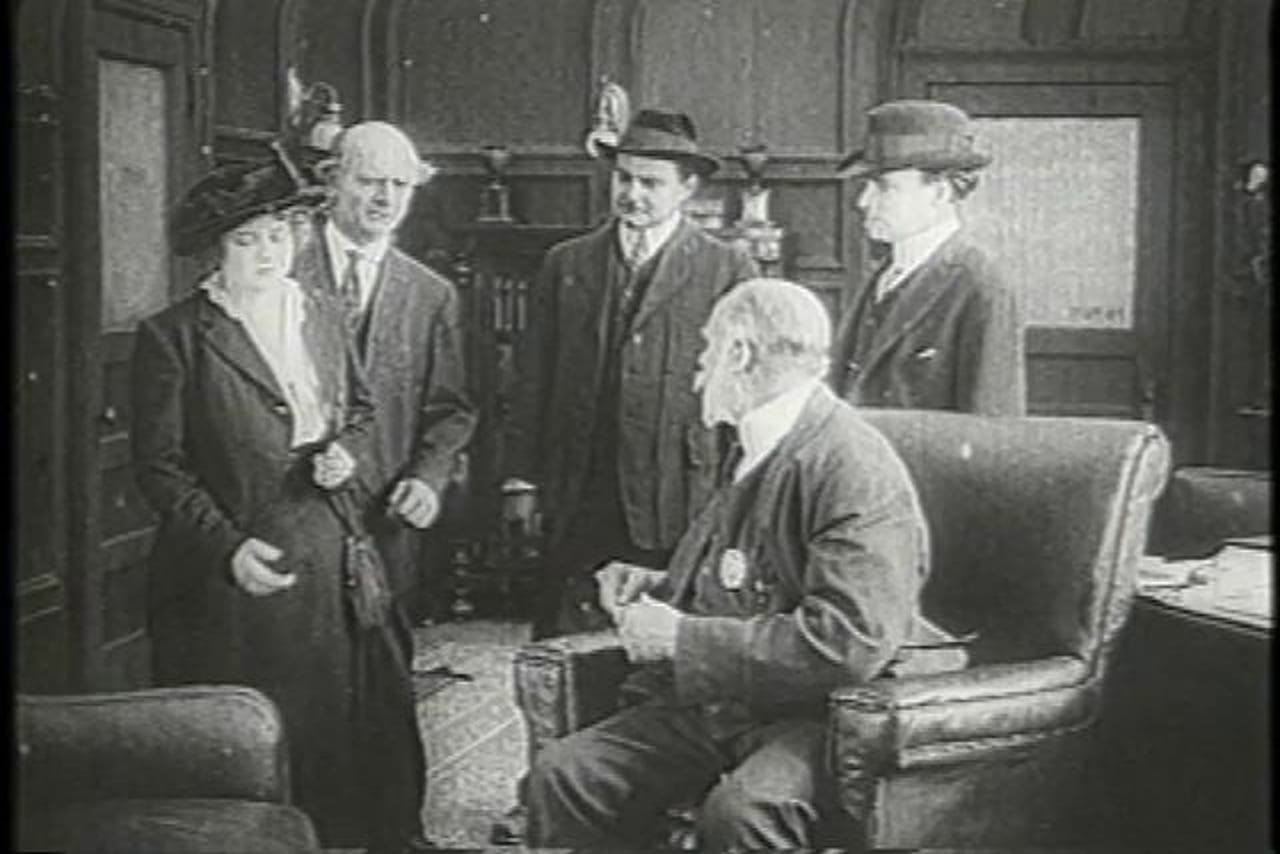
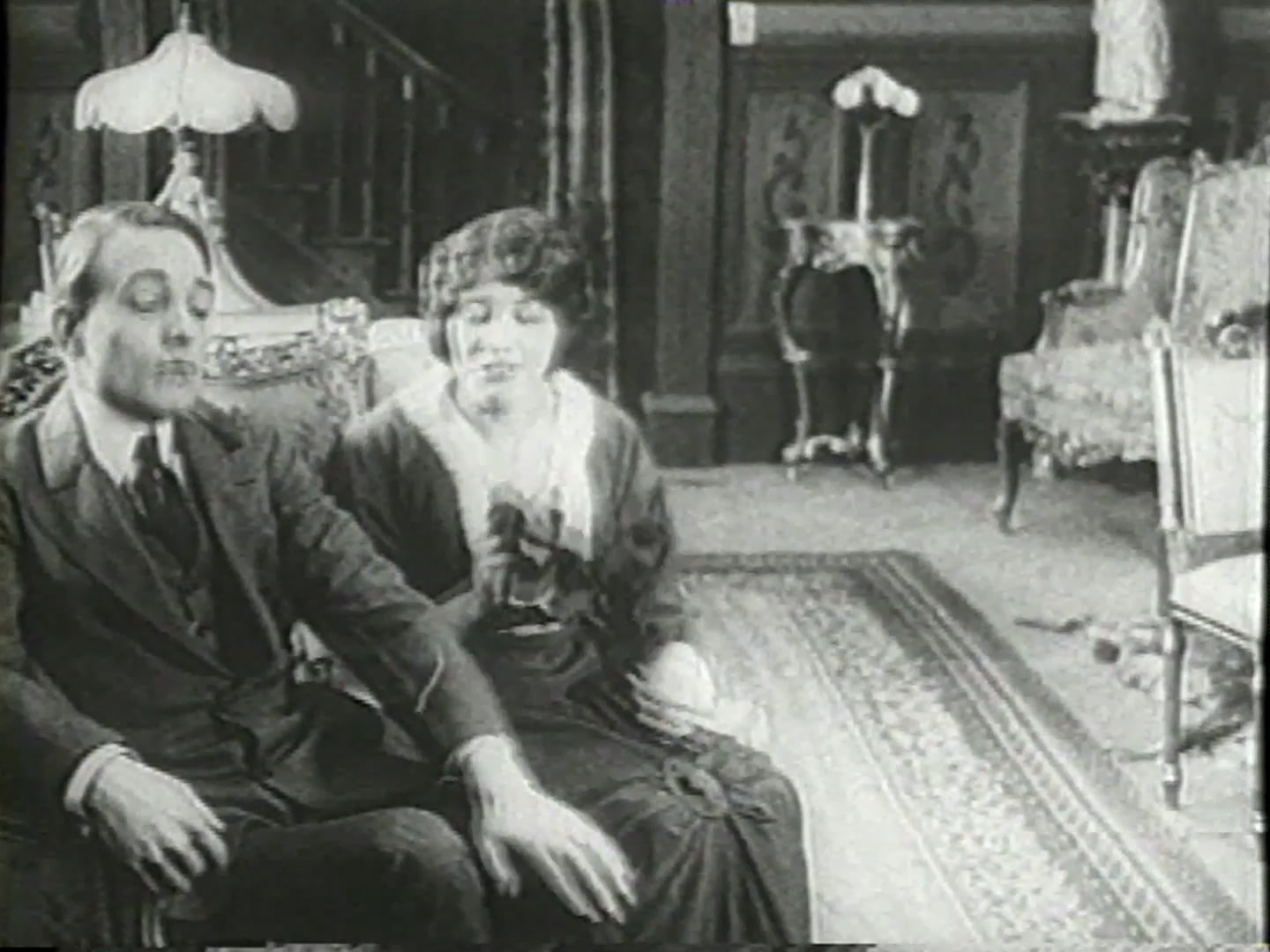
“The daughter of a horse thief saves the man she loves from the lynchers when he is suspected of having committed the crime of which her father is guilty. The latter confesses and the young fellow learns that Beth is worth a hundred Ruths.”
REVIEW by Elizabeth Lonergan, The New York Star, October 28, 1914:
“Wild West pictures are not unusual these days, but Old Jackson’s Girl presents many features that make it an out of the ordinary offering. The locations are of exceptional beauty (all taken within greater New York!), there are some unusual photographic effects, and the story is interesting throughout. It tells of the experiences of a young ‘nestor’ in the midst of a ranch country. His presence is resented, as ranches are considered better than mere farms, and he is ordered by the richest rancher in the neighborhood to sell out or move on. The rancher’s daughter is in love with the young farmer, and it seems as if he will consider the offer. But another man has an attractive daughter, Old Jackson, a suspected horse thief, whose presence in the community is not desired at all. There is no tangible evidence to run him out of town, so the ranchers lay low waiting for the opportunity. It comes when the young nestor quarrels with the rich ranchman and is ordered off the place. On his ride homeward, he drops his pistol, which Jackson finds, later uses to kill the ranchman, who is also his enemy, and leaves beside the dead man. The body is found and the young man sought as murderer.
“As the posse starts off in search of him, one friend starts by a shorter route to warn the nestor. On the way he meets Betty, the daughter of the horse thief, and tells her the news. She rides ahead, and aids the man in his fight against the crowd which surrounds his house dramatically. She loads his pistol and gun for him and soon sees that ammunition is almost gone and capture very close. She decides to trick the posse, dresses in an old suit of his, creeps out the window and races off on horseback. The crowd follows and an exciting chase is seen. Over hills, down steep paths they race until capture seems certain. Then the boy takes a hand. Discovering Betty’s disappearance, he quickly guesses what she has done and joins the pursuit. Then by a clever use of the ‘cutback’ we are introduced to another angle of the story. The real murderer tells his friend of the crime, describing his attempt to implicate the nestor. His friend is disgusted, then seized with a desire to save his own skin should there be trouble, and goes to the sheriff. He betrays Jackson’s confession, and the sheriff decides to take action at once.
“There are some very clever bits of sky-line work, and long distance effects that add much to the beauty of the photographs. The pursuing figures appear at times as specks upon the horizon, then grow larger and right into the foreground, but at no time are they enlarged. This adds to the picturesqueness. The story concludes with the capture of Betty and the discovery of her identity, the change of pursuit to Jackson, and the exciting fight between the men and himself, seen at long distance. His death is dramatically shown. His hand has been seen firing at the others, suddenly his arm jerks down and disappears, and no more shots are fired from the pit. The girl and her lover are shown at the last riding out together on horseback, and the title ‘After the Wedding’ tells of the happy ending to the Wild West play. The two-reel scenario is by Philip Lonergan, directed by James Durkin, and the players include Morris Foster, Mayre Hall, Claire Kroell, and David Thompson.”