The story
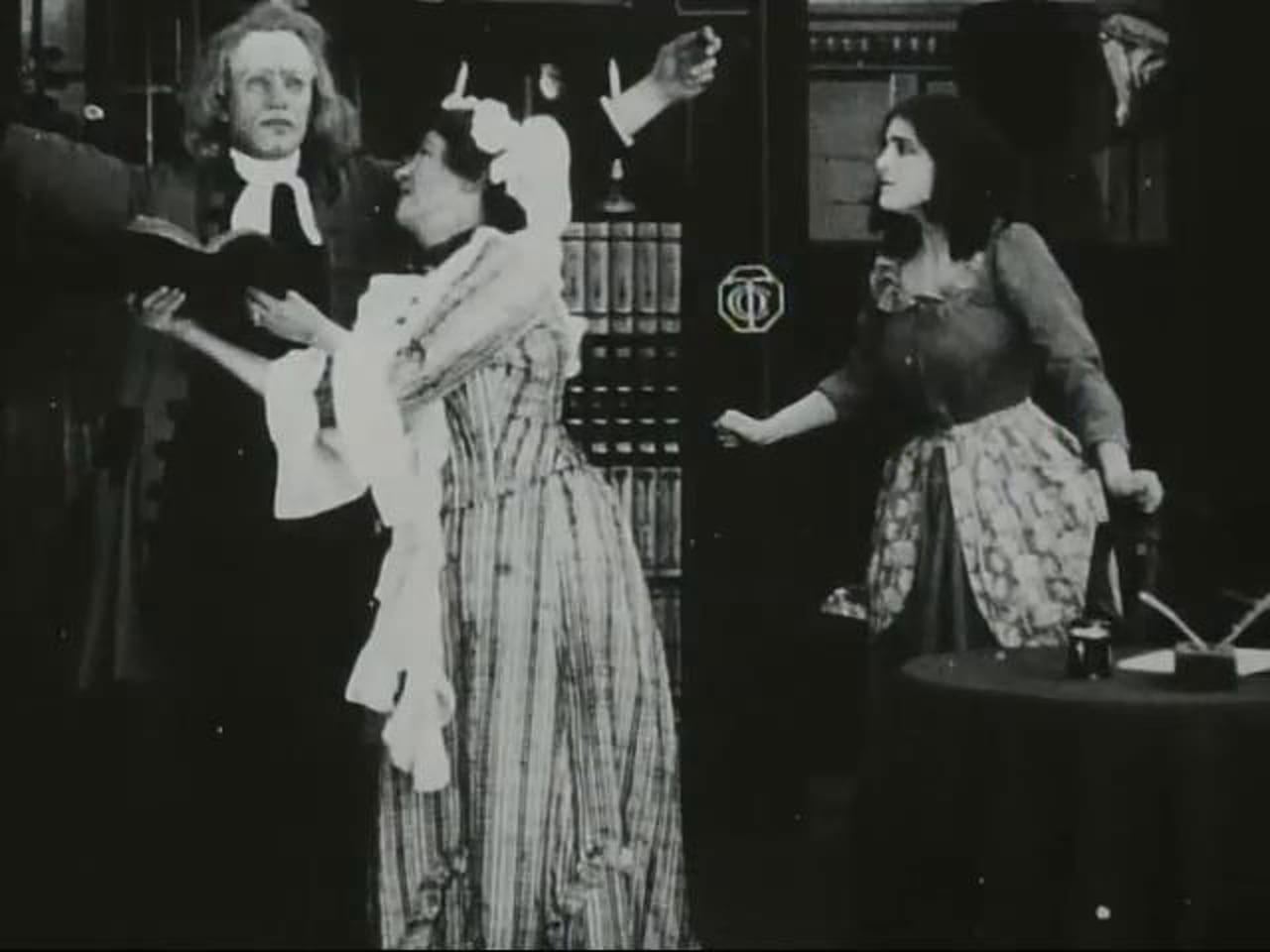
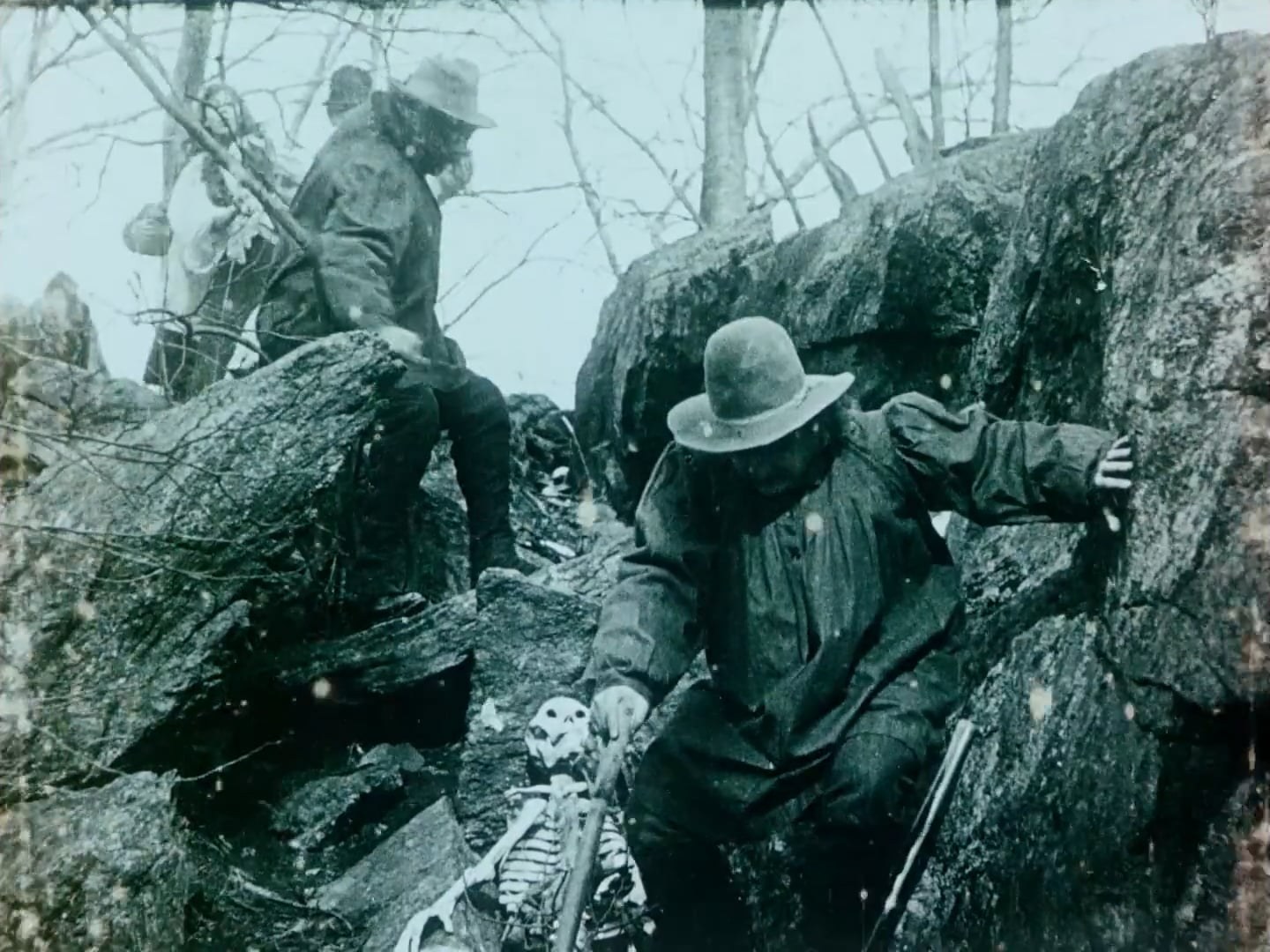
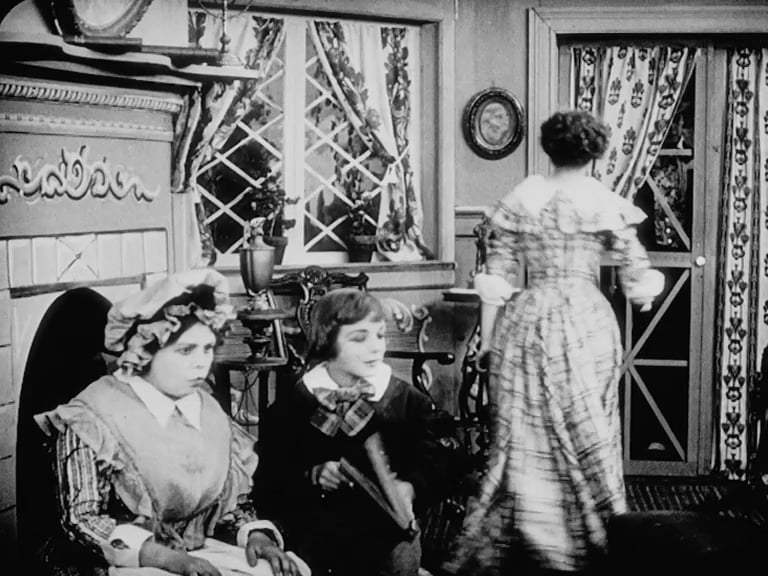
“Rip Van Winkle, although a loving father to his little girl Meenie and a hail-fellow-well-met with all of his fellow townsmen, is being constantly scolded by his wife for leading an idle and profitless existence. Rip is also fond of the bottle and spends a greater part of his time and money at the village tavern. Catching him entering the house late one night after a day’s carousing, his wife Gretchen becomes thoroughly angry with him and drives him from the house. In the face of a terrible storm with only his dog Schneider and his faithful rifle to protect him, Rip wanders toward the mountains. Here he comes across a band of gnomes who are supposed to be the spirits of Heinrich Hudson and his merry men who disappeared near the Catskill Mountains hundreds of years before, and had never been heard of since. The gnomes give Rip some magic schnapps to drink, and under its influence he goes to sleep for 20 years.
“When he awakes, he is an old man and in ragged clothes. His dog is dead, and his rifle has rusted away. He makes his way as best he can back to the village, and his own home. But there no one knows him. He finds his wife married to another man, his daughter grown to womanhood, and most of his old friends dead and gone. Rip, however, finally manages to prove his identity, and also to lay claim to his property, which has greatly increased in value during his sleep, in which he is just in time to save from being unlawfully confiscated by his old-time enemy. Happily reunited to his family, Rip looks forward to his declining years with a spirit born of peace and solace.”
Summary from The Moving Picture World · 10 December 1910
Background of the scenario
Rip Van Winkle is a short story concerning a man who seeks to escape his wife and other “problems” of the day. The tale was a well-known stage play long before Thanhouser filmed it, with Joseph Jefferson’s stage enactment of Rip being a special favorite with audiences. In the scenario, Rip falls asleep in the mountains and dozes for 20 years, returning to find his wife missing, his house dilapidated, and the world much changed. The story was from the fertile mind of Washington Irving (1783-1859). Born in New York, Irving was the son of a rich merchant sympathetic to the American rebels during the Revolution. There he grew up, and started studies to become a lawyer, only to have second thoughts and change to a literary career, after which he worked as a newspaper reporter and publisher, gaining his first success with the burlesque, A History of New York From the Beginning of the World to the End of the Dutch Dynasty, which was published under the comic pseudonym “Diedrich Knickerbocker.”
Irving spent the next 10 years struggling, finally achieving success with The Sketch Book, with the prompting of Sir Walter Scott. Published serially in the United States and as a book in England during the years 1819-1820, The Sketch Book included among its contents two tales, Rip Van Winkle and The Legend of Sleepy Hollow, which made Irving a celebrity on both continents. He then wrote more essays, dramatized “legends,” and biographies throughout his life. From 1829 through 1832 he held diplomatic appointments in both England and Spain. During his later life he was an acclaimed figure, the first American author to achieve international fame. He declined to run for mayor of New York City or become Martin Van Buren’s Secretary of the Navy.