The story
“When the young clerk is placed on trial for the murder of his employer, there seems to be no hope that he can be saved. The evidence is all against him. On the day of the crime, the accused and several other employees had just returned from lunch when the annunciator rang and the young man’s number appeared on the board. The clerk entered his employer’s office, remained there a few minutes, then reappeared, a revolver in his hand. He declared that he had found no trace of the financier on entering the room, but that he had found the revolver and picked it up. His attention had then been attracted to a screen in one corner of the room. Behind it he had found the body of the head of the firm, dead. There were two doors to the room—one through the main office, filled with clerks, the other opening from the hall. The one key to the hall door was in the possession of the dead man. The fact that the revolver was fitted with a Maxim silencer only fulfilled the suspicion that the shot had been made by the young clerk. The young man had nothing in his favor except the testimony of his fellow workers to his good qualities. To the trial came the sweetheart of the young man, and her grandfather, a locksmith.
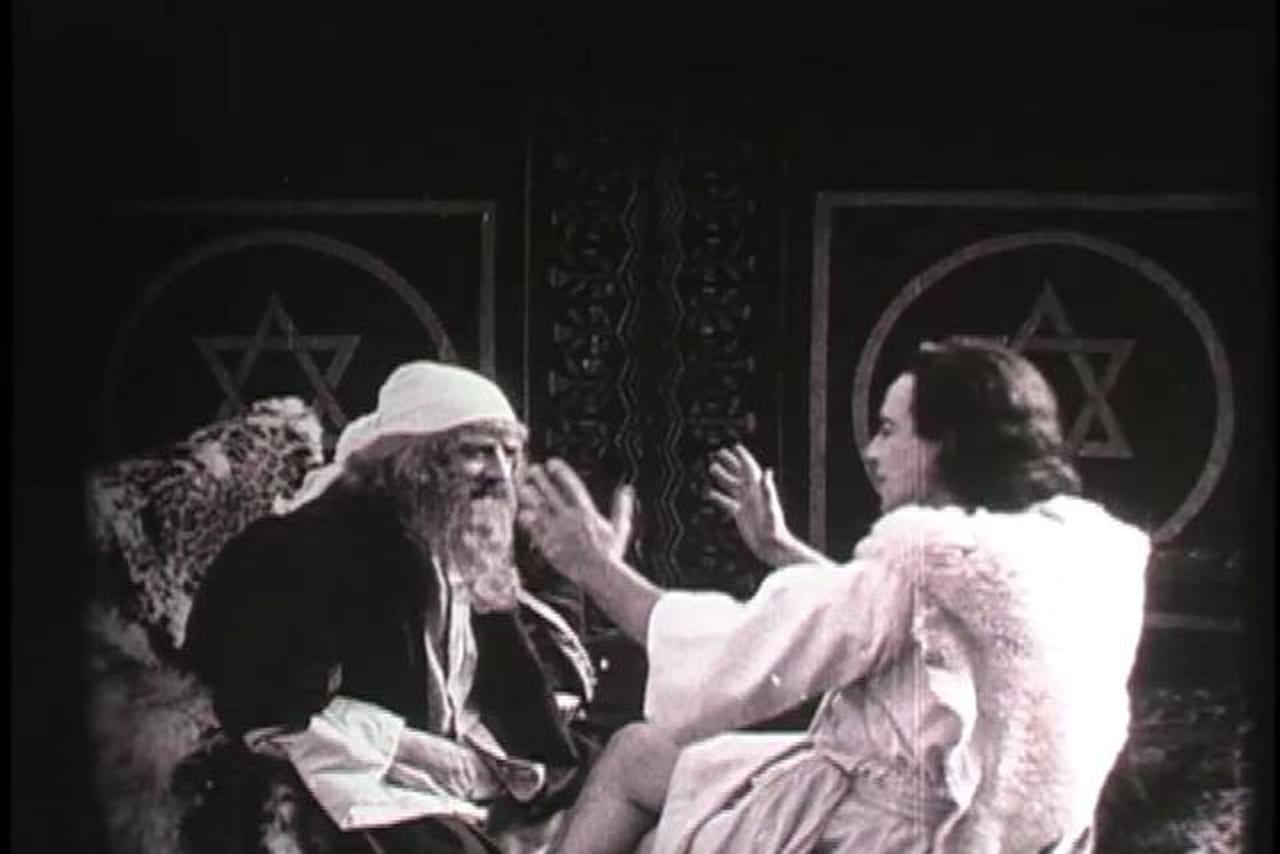
“When the chief clerk of the office took the stand, the old man showed interest, and asked to be allowed to examine the dead man’s keys. After examining them, he took the stand and swore that on the night before the murder a man had called upon him with a wax model of a key. The model was similar, the old man said, to the key to the dead man’s private office through the hall. The locksmith identified the chief clerk as the man for whom he had made the key. The man, however, denied the accusation. He sneered at the evidence presented by a feeble old man. Then the locksmith put his hand in his pocket and brought out a lump of wax. He examined it carefully. At length he said, ‘Here is a thumb mark, and it isn’t mine.’ Before the chief clerk knew what had happened, the locksmith had pressed his thumb upon the wax, next to the mark already there. The two thumbprints were the same. The chief clerk confessed the guilt for which an innocent man had nearly met his death.”
Summary from Reel Life · 25 September 1915