1912Thanhouser CompanyOne reelDrama

The Trouble Maker

No copy you can watch online. No print is known to survive. What follows is what does: the release, the cast, the story, and what the trade press said at the time.

The story

“They were married at the little country church where they had worshipped all their lives, and were very happy, although they had no wealth—only youth, health, and happiness. The wealth came later, for an almost forgotten mining venture turned out to be immensely profitable, and before they had time to realize it they were millionaires. It was at the wife’s plea that they moved to a fashionable suburban colony in the East, and she dreamed of the time when she would be a member of high society. The first thing to do, of course, was to find someone who would show her how to get inside the sacred portals, and she hired a social secretary, hoping that he would coach and educate her husband and herself, as well as be their sponsor with the ‘Four Hundred.’ The young wife was happy in getting the secretary she wanted, a man of an old family, but much embarrassed financially. She studied her ‘society lessons’ with zest and warmly welcomed the persons, more or less in society, who were brought to the house by the secretary.

“The husband, on the other hand, did not find the new game either interesting or exciting, and showed it. He and his wife at first bickered mildly, then quarreled violently, and in time there was a divorce. The secretary saw his way clear to a fortune. He made love to the divorcée, and she was flattered by his standing in the world of fashion. She agreed to marry him, and would have done so had it not been that his perfidy was made clear to herself, although unwittingly. Broken-hearted, the woman decided to go back to the village where she had once been so happy, and she did not even bid her faithless suitor good-bye. On the train enroute home, she entered the dining car and was given the only vacant seat, one at a table built for two. And across the way was her former husband, as much surprised as she was. For, as it turned out, he, too, was going home. When they first came to the city, full of joy and anticipation, they had eaten in a dining car, which the wife had pronounced as ‘wonderful.’ Now, they were again in one, but things were different. Still, it made them think of the other happier days and to wistfully wonder if they would ever have such times again.

“The wife’s visit being unexpected, there was no one to meet her at the depot, and she was forced to accept the invitation of her ex-husband to drive her home. Their way led them past the little church where they had been made man and wife, and the husband called her attention to it. ‘We have both made mistakes; let’s forget them and start afresh,’ he said, and the woman, who was really heartsick and secretly sorry about the divorce, consented. So, hand in hand, they re-entered the church and were married all over again. This time, however, they were very happy and remained so, for each had learned the lesson that a couple must not let money, or lack of it, divide them after marriage, and that mutual concessions and forbearances are needed if matrimony is to be a success..”

Summary from The Moving Picture News · 27 January 1912

Another synopsis, from The Moving Picture World · 3 February 19121 min

“A poor but happy married young couple moved to a fashionable suburban colony in the East. They hired a social secretary to educate them and be their sponsor with the ‘four hundred.’ The secretary was a man of an old family, but much embarrassed financially. The wife studied her ‘society lessons’ and welcomed persons, more or less in society, who were brought to the house by the secretary. The husband did not find the new game interesting or exciting, and showed it. He and his wife at first bickered mildly, then quarreled violently, and in time there was a divorce. The secretary saw his way clear to a fortune. He made love to the divorcee, and she was flattered by his standing in the world of fashion. She agreed to marry him, but his perfidy was made clear to her by himself, unwittingly. Broken hearted the woman decided to go back to the village where she had once been so happy. On the train, enroute home, she entered the dining car and was given the only vacant seat, one at a table. Across the way was her former husband. He too was going home. When they first came to the city they had eaten in a dining car. Now they were again in one, but things were different. There was no one to meet her at the depot, and she was forced to accept the invitation of her ex-husband to drive her home. They went past the little church where they had been married and the husband called her attention to it. ‘We have both made mistakes, let’s forget them and start afresh,’ he said, and the woman consented. So hand in hand they re-entered the church, and were married all over again.”
What the papers said

3 reviews · 1 article

This review is reprinted in the narrative section of the present work.

The Morning Telegraph · 11 February 1912

“These scenes have the prettiness we naturally look for in Thanhouser films. Excellent photographs, with carefully made stage sets, make the background seem alive. The story is human and typical in a fair degree. Two young married people (Mr. Russell and Miss LaBadie play the parts) grow suddenly rich and come to the East. Social ambitions lead the young wife …

Read in full · 1 min

“These scenes have the prettiness we naturally look for in Thanhouser films. Excellent photographs, with carefully made stage sets, make the background seem alive. The story is human and typical in a fair degree. Two young married people (Mr. Russell and Miss LaBadie play the parts) grow suddenly rich and come to the East. Social ambitions lead the young wife into perilous places and nearly bring about an irreparable break in the relations of the pair. Both in deep trouble start back toward the old home in the West. They encounter each other again and again on the trip and although they had got a divorce decide to get married again in the same little church. It has more truth and likelihood than Clyde Fitch’s The City has; it is not so sensational and is artistically a better production. It will make a first-class feature.”

The Moving Picture World · 17 February 1912

More reviews

14 February 1912The New York Dramatic Mirror1 min

“The trouble maker was a society man, who had lost his fortune and became the social secretary of a wealthy young couple who had come on from the West to break into society. The husband grew disgusted with the life, and the trouble maker supplanted him in the affections of his wife, until at length there was a divorce. The young woman, however, found that the true reason of the trouble maker’s desire to marry her was to win her money that he might pay his debts. This was learned by holding before a mirror a blotter of which he had blotted a letter. She took the same train back West with her former husband. There was a gradual reconciliation, until arriving at their own home they were remarried at the same old church where they had previously started out in life. The production leaves little to be desired in the manner in which it is put on and acted, and is artistic and finished in every way. The three principal characters appear true. The story in its present state has entertaining power, but no doubt would have added force had the underlying philosophy been brought forth in its evolutions.”

Article

27 January 1912The Moving Picture News1 min

“Is getting rich quick a sure road to happiness? Guess again, says the Thanhouser Company, and they serve up a story about some poor folks who really got wealthy quick, to support their contention. Said ‘poor folks’ were a young married couple who only had an old farm house and their health to boast of. Suddenly, out of the horizon of funny fate, a round million springs upon ’em. And they don’t dodge their luck—no, not for a minute. They were real flesh-and-blood people, you see. They corralled the gold with avidity and proceeded to cut a dash in good society. And like a flash, unhappiness came to them! They had money and all that it could buy, but discord and darkness enveloped their lives. The wonderful gold proved too much for them! The story is a very simple and, seemingly, a very actual one and it will cause many film theatregoers to think. Under the title, The Trouble Maker, the reel issues Tuesday, February 6.”

Have you seen this film, or a print of it?

Prints of films thought lost still turn up in attics, private collections and archives. A record like this one is how the next one gets found.

Tell us about a print

Cast and crew

Cast
Florence La Badie as the wife
William Russell as the husband

Every name opens that person's page, with each film they appear in and which of them you can watch.

Watch instead

Films you can watch from the same company

Matched by cast, director and kind

More about this film

Posters and media
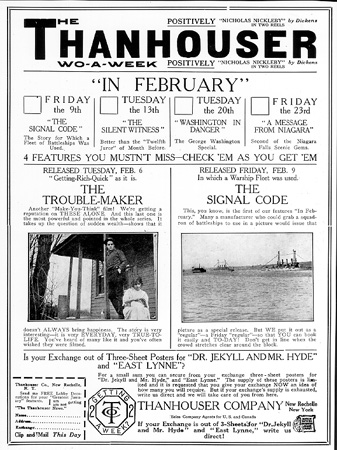
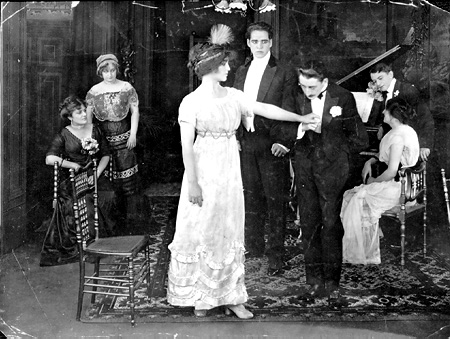
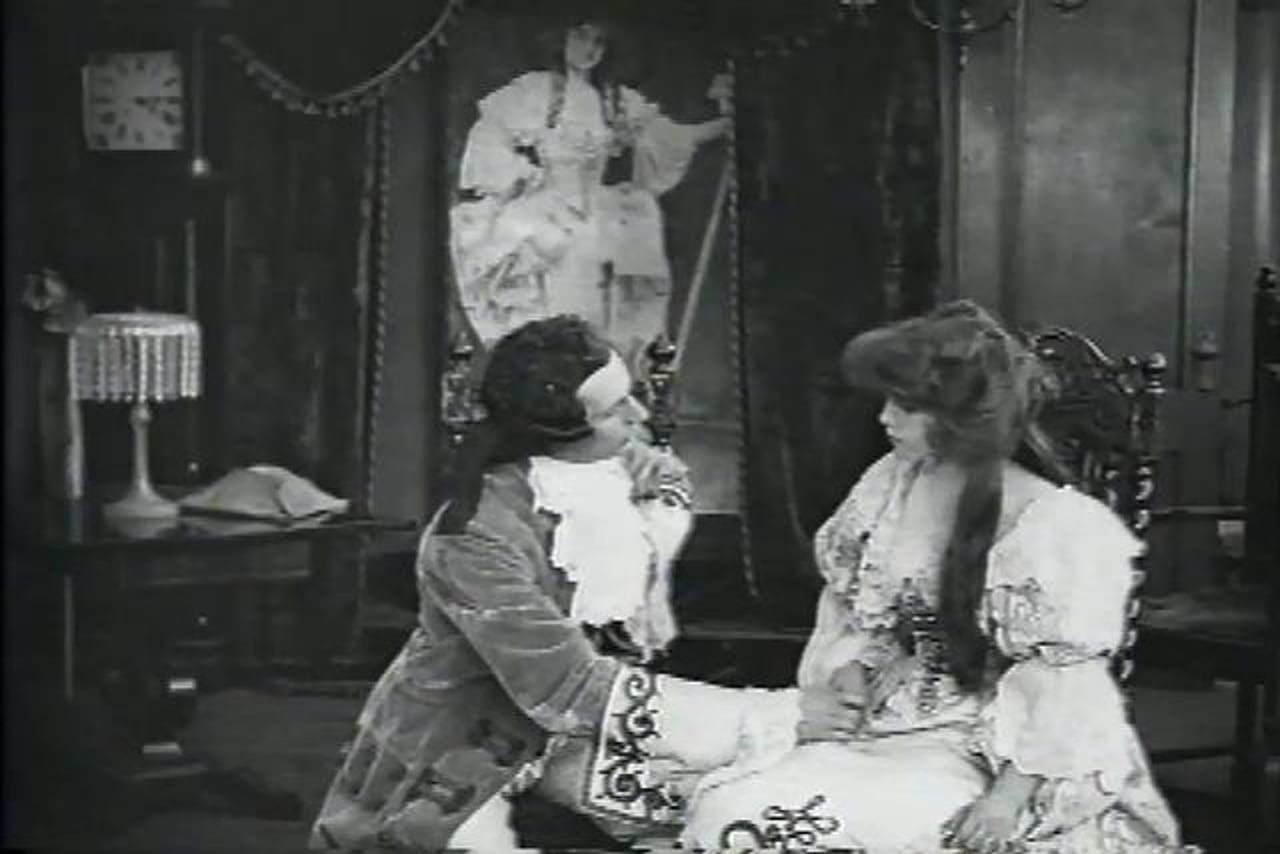
Press for The Trouble Maker. Advertisement from The Motion Picture World, February 3, 1912; production still with Florence LaBadie as the wife and William Russell standing behind her.Press for The Trouble Maker. Advertisement from The Motion Picture World, February 3, 1912; production still with Florence LaBadie as the wife and William Russell standing behind her.

From Volume II: Filmography of Q. David Bowers’ Thanhouser Films: An Encyclopedia and History, reproduced with permission and unchanged. Read the history of 1912 →

Cite as: Bowers, Q. David. Thanhouser Films: An Encyclopedia and History, “The Trouble Maker”. thanhouser.org/films/the-trouble-maker/

Where a print is held

Held by
No print known