“As a whole: good entertainment; story: war tale; star: convincing; support: the best; settings: elaborate; photography: excellent.
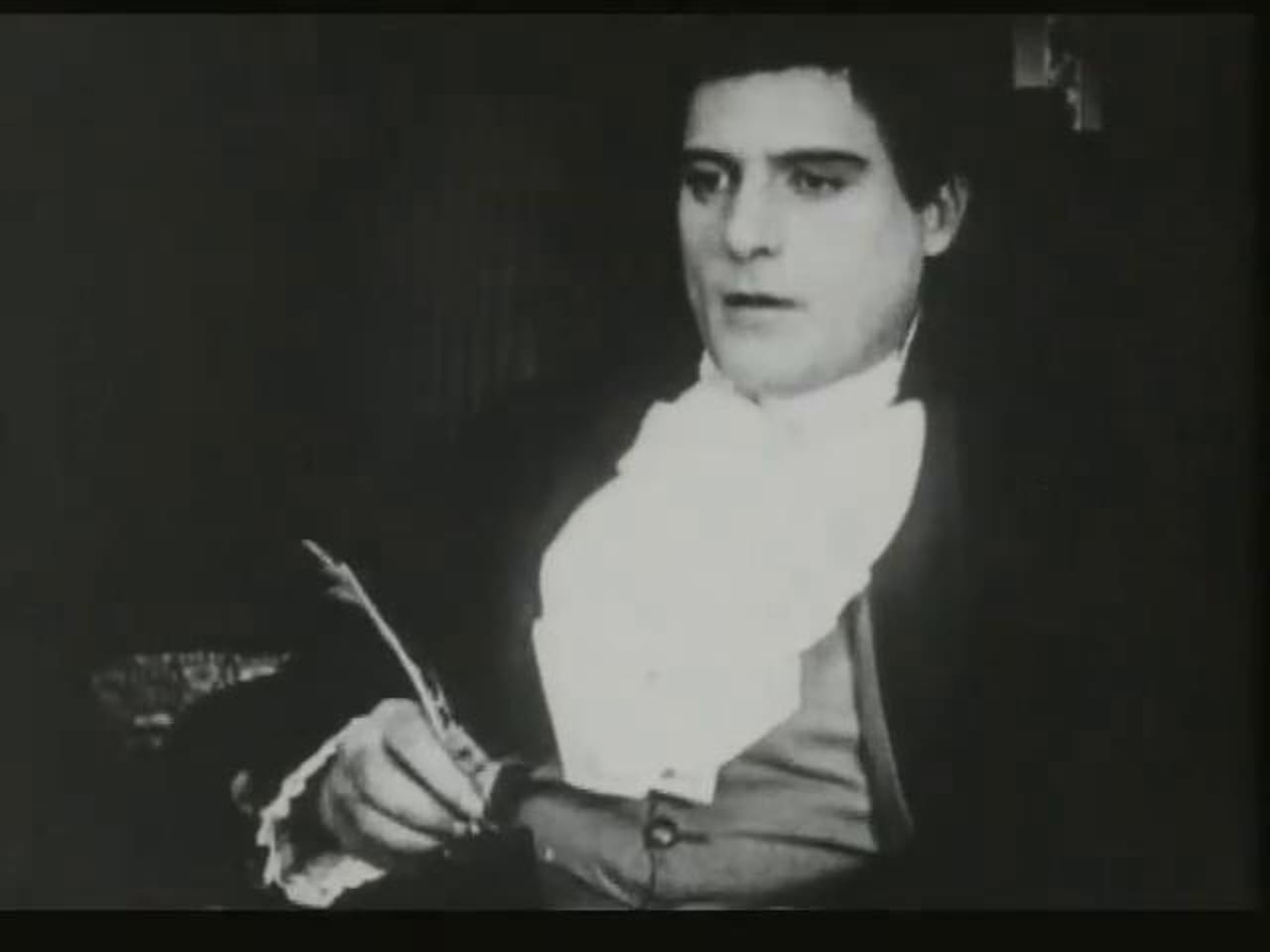
“War and the Woman represents ‘what might have been,’ the story being based on an imaginary invasion of the United States by a foreign army. The story has been carefully handled, and because it is well acted and directed and otherwise skillfully presented it offers an exceptionally strong program number. Miss LaBadie in the role of the American girl, married to an officer of the aviation corps, puts plenty of feeling and action into the part, and the support of Tom Brooke, as John Braun, an alien spy, and Wayne Arey, as the patriotic American, John Baker, is all that could be desired.
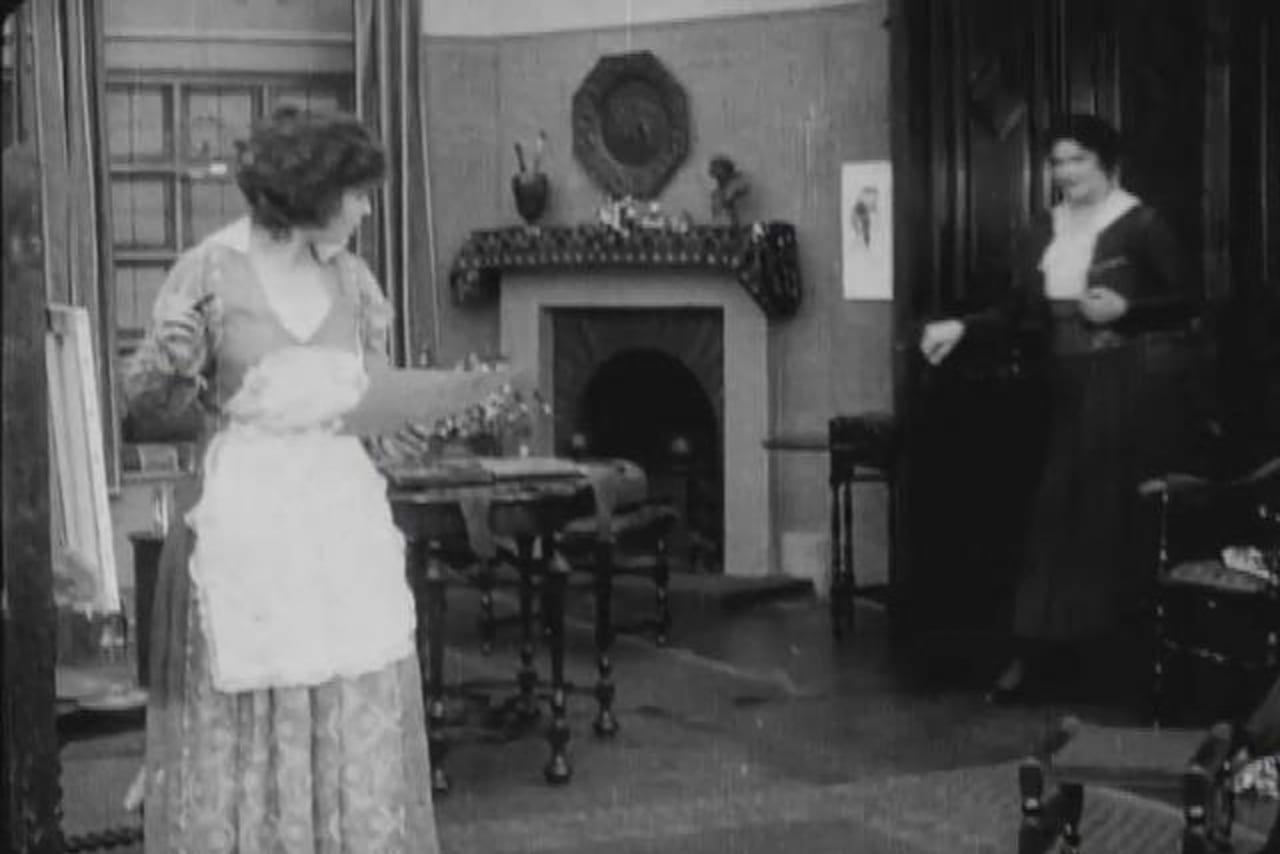
“The story: Ruth Norton saves an aviator who has fallen with his machine, and later marries him. In the midst of their honeymoon, war breaks out and the officer is called to his post. An alien regiment takes possession of the house and servants, and Ruth is compelled to work as a maid, the soldiers holding prolonged revelries and forcing the young girls of the neighborhood to participate. Ruth blows up the house during one of these orgies and flies away with her husband in his aeroplane.”
REVIEW by Charles E. Wagner, Exhibitor’s Trade Review, September 15, 1917:
“The patriotic appeal and the timeliness of the theme should place this production in the class of worthy box office attractions. It is a war picture without the horrors of war. This should be taken into consideration by the exhibitor booking this picture so as to assure their patrons of its freedom from the ghastliness that can found in the usual thrilling war pictures. The story deals with the life of a woman behind the enemy’s lines, showing how she, although connected by marriage with aliens and under the suspicion of the United States Secret Service, still retains the love for America. The plot lacks actual events, most of which are explained by the subtitles. This, of course, detracts from the force of the appeal. War and the Woman does not take upon itself the aspect of propaganda, but it does entertain and will find favor among the majority of picture fans. The story, while somewhat imaginative, contains enough suspense to hold the attention until the last. It ends with a very thrilling climax.
“Florence LaBadie is particularly pleasing as the young girl upholding the dignity and honor of the flag. She plays her part well and with force, and her pleasing personality is strongly in evidence. Arthur Brower [sic] as the foreign commander also does well, while the rest of the cast meets every requirement. War and the Woman contains a theme of timely interest that will appeal to all Americans. It is an acceptable offering for community theatres or those with a family clientele. Its title, too, is an attraction. These points together with the fact that it is well produced and well acted should provide the exhibitor with a meritorious production of assured box office value.
“The balance of the program: A two-reel slapstick comedy together with a one-reel scenic would be the most appropriate. It might be of added interest to show a scenic of views of the United States, owing to the idea of the country invaded contained in the feature. Musical suggestion: Open with an andante moderato and play it until the scene shifts to the bookstore. Here play a medley of American folk songs until the arrival of the President, at which time play Dixie and continue until Ruth leaves the store. Pick up the theme played with the opening, and continue until the marriage of Ruth to John Parker, at which time use a romantic ballad. Switch back to the opening theme upon the arrival of the invading forces. During the escape of Ruth and the subsequent blowing up of the house use a number of American airs and work up toward the climax. This can be followed throughout, with the exception of the dinner scenes, at which time a lively one-step would be best. When troops are seen walking through the streets, use a patriotic march selection.”
REVIEW by Dickson G. Watts, The Morning Telegraph, September 9, 1917:
“An introduction to this film declares that it is not a picturization of this war, but rather of what might happen; in other words, it deals with a supposed invasion of America, the invaders not named, but strongly resemble the Germans. While war and its horrors form the theme of the production, the universal aspect of a conflict is not introduced, the action being confined to one family and what happens to it when this country is overrun. There are no battle scenes, unusual in a film of this nature, but an invasion is nevertheless brought forcefully home by the occurrences in the Barker home. Of special interest is the action in the captured mansion, when the half-imbecile gardener’s helper turns out to be a clever spy, and the hunted refugee hidden by Mrs. Barker is revealed as a ‘spot,’ used to test her falsely avowed interest in the enemy cause.
“John Braun, suspected of furnishing military information to a foreign power, is warned by the government. Despite this Braun attempts to use his step-daughter Ruth as a tool in his operations. Ruth is intensely patriotic, and runs away to take up a position in a book store, from which she is driven by secret service men, who believe her to be in league with Braun. Ruth has been instrumental in saving the life of John Barker, a young aviator, and she is taken into the Barker home. She marries the aviator, and when, a little later, war breaks out, she is left at home by her husband, who joins the colors. The enemy lands near the Barker house, and the home becomes the headquarters of the invaders’ leader. Scenes of debauchery and brutality ensue, Ruth being made a servant in her own home. Barker, obtaining leave of absence, and disguising himself as an enemy officer, manages to see Ruth. They plan to slip away by aeroplane during the night. Ruth has secretly introduced some dynamite into the house, and before making her escape from the pursuing troops, lights the fuse. The rescue is successful, and the Barkers sail away as the house, with the leaders of the invaders, blows up.
“Florence LaBadie appears in the part of Ruth and does admirably with the dramatic role. Good support is offered by Wayne Arey as the husband, and by Ernest Warde as the spy. The setting is adequate, and the entire production of the sort to appeal to patriotism.”