“This is an interesting screen entertainment dealing with prison reform. It is developed slowly. The story surrounding the life of this little product of the slums runs along smoothly with a comparatively easy gait, reaching gradually to a strong and powerful climax. There is a certain amount of realism. One scene appertaining to the mismanagement of the prison, however, showed the tubercular condition of one of the inmates, providing over-vividness that in a small way will cause a shudder. The story itself contains a number of interesting elements. Aside from the entertaining qualities, there lies a certain moral and human appeal that elevates this screen exposition considerably. There has always been a fund of interest in themes dealing with the matching of wits between two women, and in this release the author, Phil Lonergan, has offered it in such a masterful fashion as to overcome the few inconsistencies that occur during the early part of the story.
“Florence LaBadie as Mary is offered a role which she portrays in a capable manner. She does not overact but smoothly presents a character that is both strong and appealing. Ethyle Cooke as the villainous Nan Travers likewise is seen in a clever characterization as the tool of the politicians. To her fall a number of tense dramatic scenes which are ably handled. The supporting cast is exceptional. As it bridges a few slow spots with a number of strong dramatic situations, this photo play can be easily classed as entertainment of interest for the average picture audiences. Its lack of the sexy and melo tendencies make it an acceptable offering for the theatres catering to the family clientele. The picture in its entirety is quite up to the usual Thanhouser standard.”
REVIEW by Dickson G. Watts, The Morning Telegraph, February 4, 1917:
“This picture, is a mingling of the lives of Henry Ford and Thomas Mott Osborne, told in an entertaining and melodramatic way. Its climaxes are well constructed, its human interest strong, and the acting first class. Mary Murdock, having served a term in prison for theft, finds that she cannot obtain employment. In her wanderings she meets Ralph Howard, a wealthy manufacturer about to commit suicide because of the desertion of his wife. To him she tells her story, and enlists his support in a movement to aid released convicts. Howard establishes a bureau through which convicts may find work, and gives many of them employment in his own factories. His operations bring him the enmity of a corrupt political ring, who under guise of friendship offer him the position of warden of the State prison. Through the efforts of Conger, the deputy warden in the pay of the politicians. Howard is ‘framed up’ and about to be dismissed not only for incompetency but with the smirch of scandal upon his reputation, when Mary clears his name by a clever matching of wits against his enemies. Mary and Howard are finally married. To the part of Mary, Florence LaBadie brings a clever technique and intelligent understanding of the requirements. Her work is entirely realistic. H.E. Herbert contributes good support as Howard, while the rest of the cast are entirely satisfactory. The production has been given the best of settings with the exception of an occasional painted backdrop displayed too prominently.”
REVIEW by Laurence Reed, Motion Picture Mail, February 17, 1917:
“When any important dramatic story consumes valuable space in the papers, it naturally follows that it will find its way eventually to the screen. Not very long ago we read of a plan fostered by Henry Ford, whereby convicts, upon their release, were to be given an opportunity to be of service to humanity. As an experiment, he announced that he would give them employment in his automobile factory. Then came the report that a certain wealthy manufacturer, Thomas Mott Osborne by name, had interested himself in prison reform, and to make this reform effective, studied criminal psychology at close range, first as a self-appointed ‘convict’ and later as warden at Sing Sing. Her Life and His might be termed a representation of these worthy efforts at uplift. While the author has followed his newspaper reports accurately he has not presented them as briskly as might be desired. However, with careful pruning the moments of tedium can be eliminated.
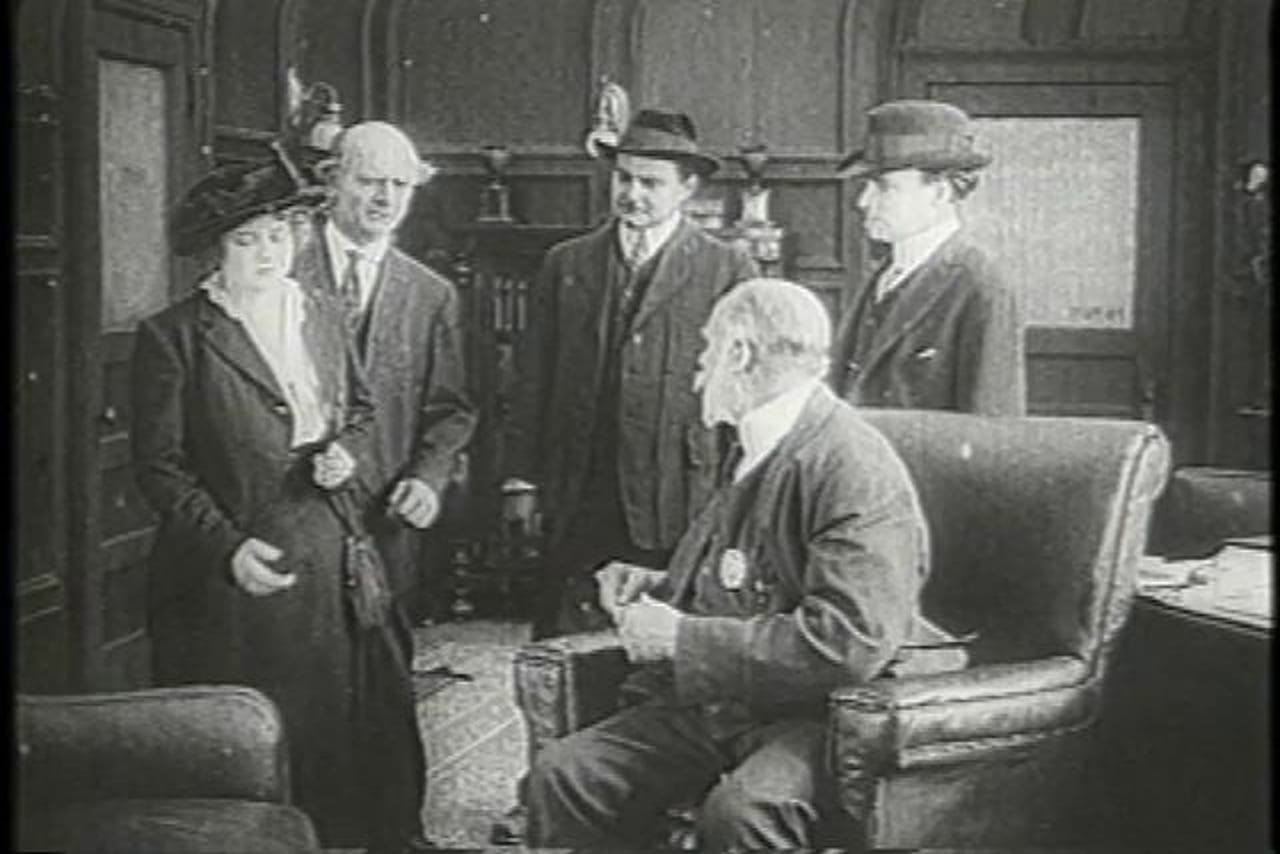
“The story unfolds around Mary Murdock, a thief, who is caught burglarizing the home of Ralph Howard and sentenced to prison as a result. When freedom is restored to her, she discovers that work is unobtainable owing to her prison record. After much discouragement, Mary decides to enlist Howard as a possible benefactor and visits him at a time when he is contemplating suicide, because of his wife’s misbehavior. She discourages him in this idea by comparing her life to his and incidentally he learns her history. Impressed by Mary’s story of prison life, Howard resolves to foster a movement in bringing about prison reform, as well as obtaining work for released convicts. Being a manufacturer, he places a large number in his factories, and employs Mary as his secretary. His influence threatening to upset the political machine, they decide to offer him the wardenship of the state prison, believing he will eventually be disgraced as his predecessors were before him. So Warden Howard carries on his humanitarian uplift and things are progressing finely, until Deputy Warden Conger of the machine starts pulling the invisible wires. Howard is suspended pending investigation with charges of gross neglect and misconduct and general inefficiency. After undergoing a severe arraignment at the trial, Howard’s name is eventually cleared by the aid of Mary. His erstwhile mate having died in the meantime it naturally follows that Mary became the warden’s wife. Florence LaBadie as Mary was natural and sincere. H.E. Herbert played Howard in an impressive manner. The picture was well staged and the photography was good.”
REVIEW by Edward Weitzel, The Moving Picture World, February 17, 1917:
“Philip Lonergan is the author of Her Life and His, a five-reel photoplay produced by the Thanhouser Company. The picture belongs to the propaganda order of screen dramas, the subject being prison reform. Every class of fiction that attempts to make a special plea for the betterment of any social evils is bound to sacrifice something of the steady development of its story; also, its intimate human side. Her Life and His is no exception to the rule. It starts off in a promising manner, and much which follows is the logical outcome of the resolve of Mary Murdock, the heroine, to live down a prison record and to help those who are the victim of a vicious political system. The interest around her private life is sufficiently strong to maintain its position as the main thread of the plot, but perfect drama cannot be achieved if the mind of the spectator be diverted at frequent intervals by object lessons and short preachments, however much they advance the moral purpose of the play. It is the opinion of the writer that people go to the theatre because they want drama, and the nearer a screen play comes to supplying this demand the better it will fulfill its mission. Narrative fiction in works that betray their didactic nature sacrifice a portion of the emotional appeal that is so great a factor in the drama’s power to captivate an audience. Frederick Sullivan has directed the production of Her Life and His with excellent judgment, and Florence LaBadie brings real feeling and a well-schooled method to her acting of the part of Mary Murdock. Ethyle Clarke [Cooke was intended] is an admirable contrast to Miss LaBadie, as the revengeful Mrs. Nan Travers, and H.E. Herbert, Sam Niblack, and Justice D. Barnes play the leading male roles with skill.”