This review is reprinted in the narrative section of the present work.
REVIEW by W. Stephen Bush, The Moving Picture World, January 11, 1913:
The choice of a subject like this creates a strong presumption in favor of the producer. The filming of a clean piece of fiction is always praiseworthy. The assurance of brown leather pants and cowboy hats is worth something, too. The story of this picture is a pretty one, and it is prettily told. The time is about the 15th century, and the scene, the castle and environs of a German robber baron, known as ‘The Eagle.’ This marauding nobleman, surrounded by his swashbuckling retainers, lives in his castle—an aerie among the mountain crags. There they abide, reveling and carousing, only sallying forth from time to time to rob the pack trains of wayfaring merchants. But one thing in all the world does this ruthless baron hold dear—his little sister. And so, when the child falls ill and needs a woman’s care, he sends one of his vassals to get someone to nurse her. The servant enters one of the peasant cottages in the valley and insolently commands the girl there to accompany him. She is fearful, but the stern baron’s behest none dare refuse. And she goes to the castle.
After lingering awhile, faithfully and tenderly watched by the peasant girl, the child dies, and her nurse returns home, but her gentle ministrations to the ill one and her pitying intercession on behalf of tortured captives, have left their imprint upon the chieftain, and he is deeply in love with her. While she is sitting pensively at her window, dreaming of the bold warrior, he is restlessly pacing his floor and thinking of the dove who has left the eagle’s nest. At last the impulse grows irresistible; he determines to wed her. He calls at her humble abode and makes his offer of marriage. There would be no gainsaying him even if she were so inclined, for he is the lord of the manor. But she is not, for she loves him. The parents, proud of the honor shown their daughter by their feudal lord, bow gratefully, and the day is set for the nuptials, which take place soon thereafter.
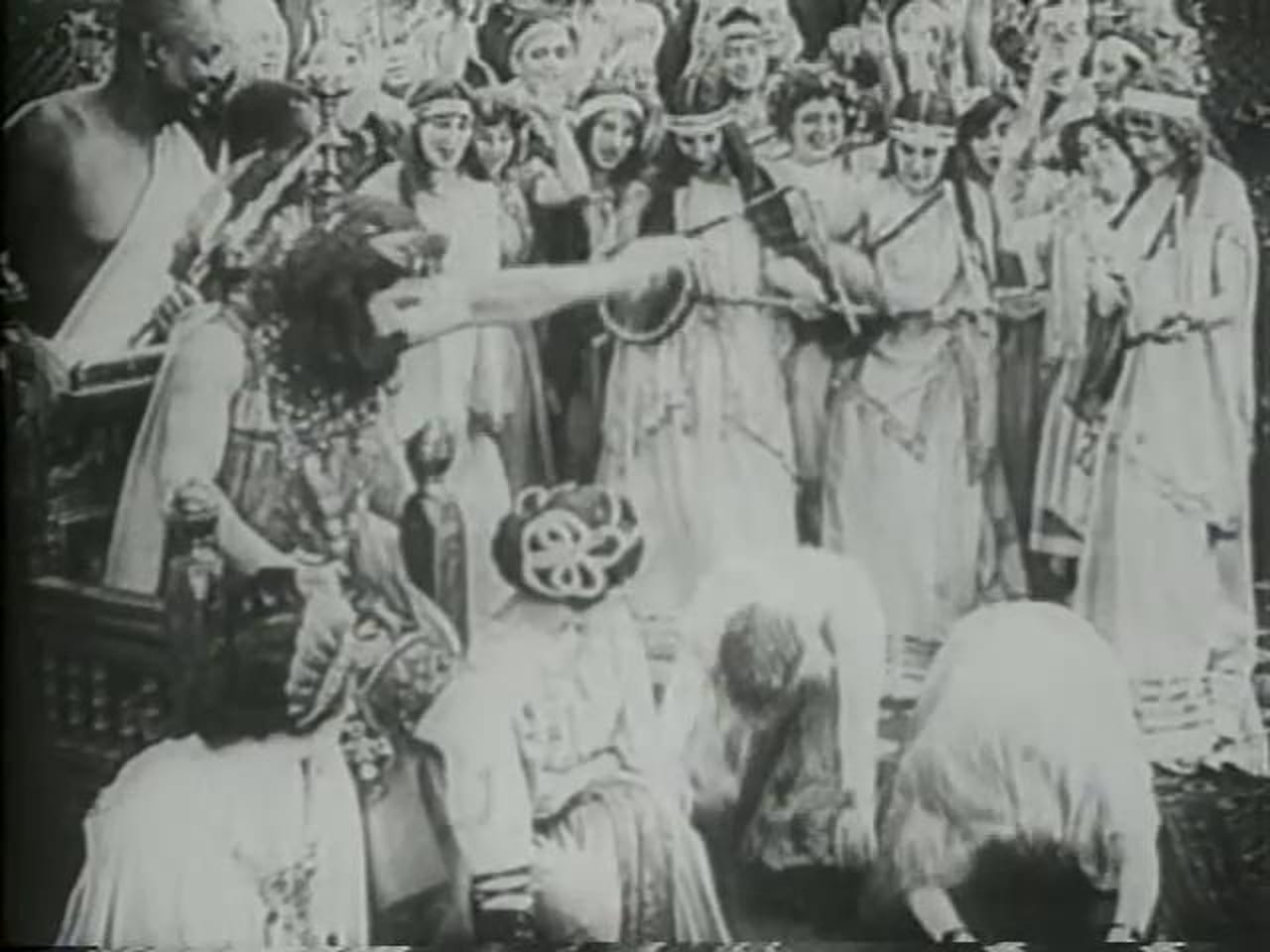
Years pass. The dove has borne him two fine sons—twin eaglets. The baron is called away to fight for the king. At the head of his soldiery, and accompanied by his trusty squire, he starts away. During a skirmish he and his squire are captured. After suffering many indignities and brutalities, the Eagle falls, overcome by his wounds and his hardships. The squire manages to escape from the dungeon. After much travail he arrives at the ‘Eagle’s Nest,’ and informs his noble lady that her lord and master has perished. But the baron had not been killed. He had been revived, and had been sent to the galleys. At a moment when his captor’s vigilance has relaxed he escapes the galley, successfully reaches the shore and turns his face to his distant mountain home. His arrival is timely. A neighboring lord has stormed his castle and, inflamed by the beauty of the baroness, is seeking to embrace her. In spite of her frantic struggles, he is about to succeed, when the husband, long mourned as dead, enters. The two grapple in deadly combat; the husband is victorious. He embraces wife and children, and the dove and the eagle are reunited in the ‘Eagle’s Nest.’ This, very briefly, is the story told by this striking film. The ensemble scenes, showing the motley soldiery in fray and at frolic, deserve particular mention. The gay abandon of these ruffians and the unconcerned, almost jovial, cruelty with which they treat their helpless victims depict, better than language can describe, that semi-savage state which knew neither pity nor compassion.
The quick transitions on the screen from roisterers, holding high wassail in the castle halls after a successful foray, and the little maid, gasping out her life alone in the chamber above, form a vivid contrast. There are one or two false notes. The child’s dress in the opening scenes may be historically accurate, but the fabric brings to mind a New England cotton mill. The allusion of medievalism, thus dispelled—but for a moment—destroys the verisimilitude of the picture, and the proper atmosphere is but gradually restored. It is not enough to be correct historically; we must sedulously avoid the appearance of anything that might, rightfully or wrongfully, suggest another era than the one portrayed. The sum objection holds good as to the statue which forms the most prominent adornment of the baronial hall. Its selection was unfortunate. Statues of cavaliers became popular only after the real cavalier had ceased to be a familiar sight. And this particular cavalier is so obviously machine made, and is of a king that forms a staple ornament in so many parlors of the present time, that on seeing it we are again, unconsciously, wafted from the 15th to the 20th century. In those scenes where the exterior of the castle is seen in the background the same defect may be noted. The architecture is not at all characteristic of the period, and the latticed balcony looks decidedly American. Besides, there is a vague suggestion of modern chimneys in the adjacent structures. Throughout the reels there is evidence of considerable directorial skill, which needs, however, moving picture experience and a closer adaptation to moving picture requirements. With proper direction and development, the ability which speaks out of these pictures will render good service in the future. The Dove in the Eagle’s Nest is a splendid feature, and is more than that. It carries a distinct promise of many fine things to come.