This review is reprinted in the narrative section of the present work.
REVIEW by Agnes Smith, The Morning Telegraph, September 3, 1916:
“The Fear of Poverty is a drama which strikes a note of sincerity. Agnes Johnston, who wrote the story and who is also the author of The Shine Girl, a recent Thanhouser feature, has taken a ‘slice of life’ and turned it into a screen play which should have a wide appeal. Two logical and finely drawn character studies are to be found in the production. One is Mrs. Lane, the mother, who, having known the sordidness of poverty, has educated her daughter to believe that in wealth only will she find happiness. The other is Florence, her daughter, who is the natural result of her mother’s training. Both of these characters are so deftly drawn by Miss Johnston and so nicely played, by Florence LaBadie who is seen in a dual role, that they make a human appeal for our sympathies.
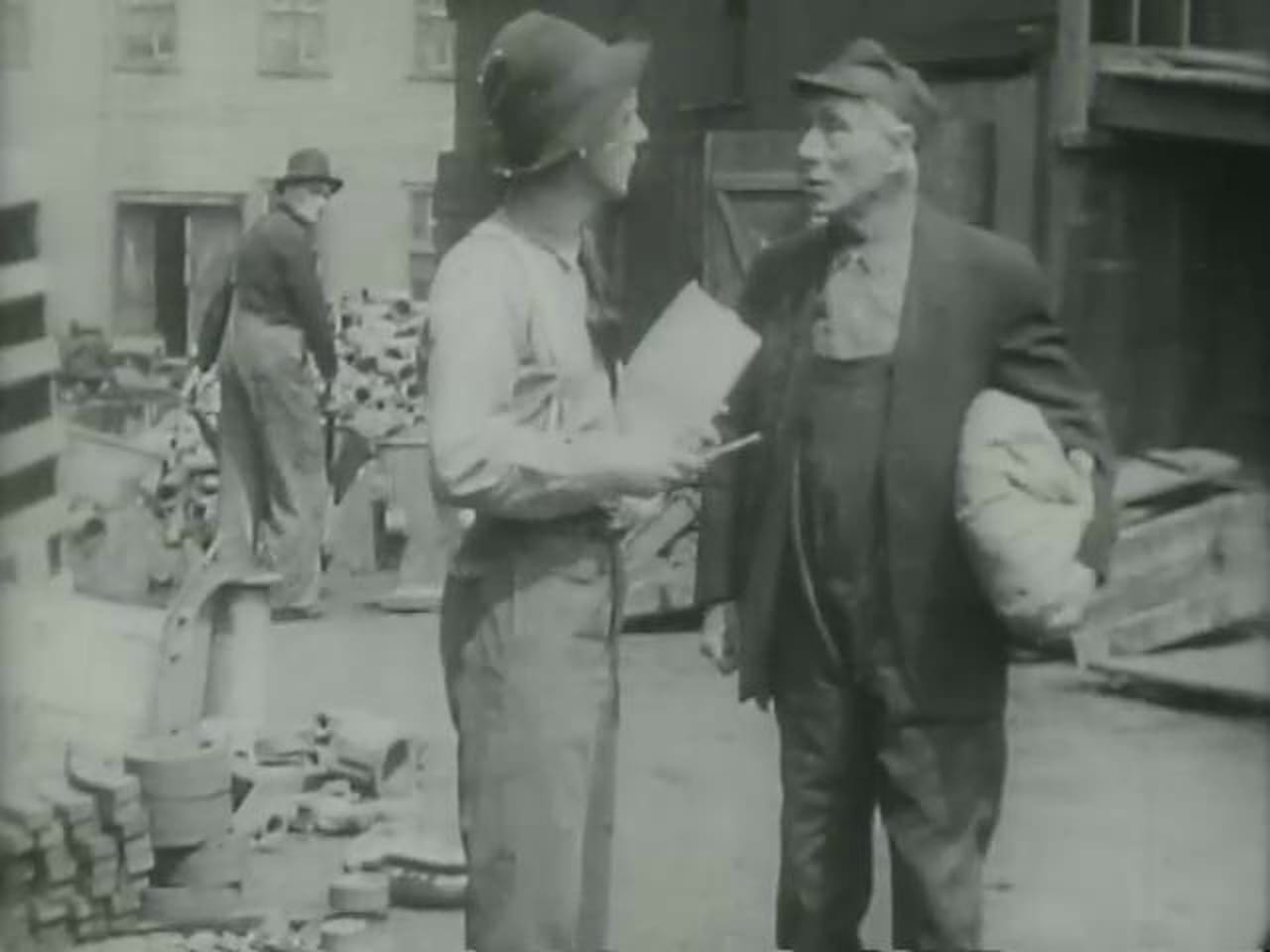
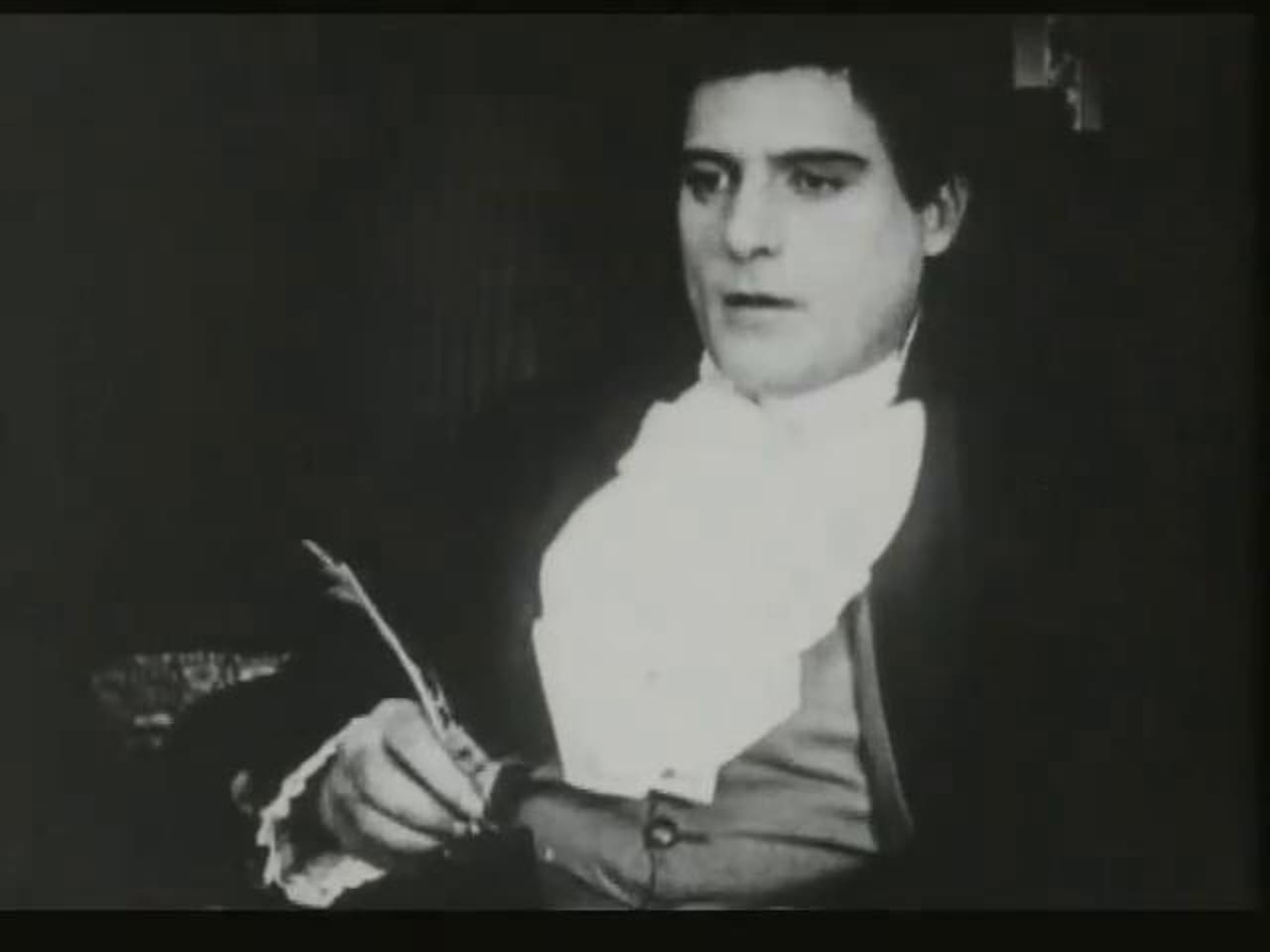
“A prologue to the main action of the picture tells us of Mrs. Lane’s early struggles against poverty. Her husband invents a machine which makes him rich and shortly after achieving success he dies, leaving his wife in comfortable circumstances. Florence Lane, their daughter, is brought up with the idea that she must make a good marriage. Alfred Griffin, whom her mother supposes is wealthy, wins her love and, refusing a young portrait painter who is genuinely in love with her, she marries him. Not long after she learns that her husband had believed her rich and that he had only married her for her money. Poverty is inevitable for the loveless young couple. Rather than face it, Griffin shoots himself, carefully planning his suicide so that it will appear that Florence had killed him. The testimony of the butler clears her. By the tragedy, both she and her mother are awakened to a new realization of life.
“Frederick Sullivan has brought out the main points in the story in good style and the production moves clearly and convincingly. Florence LaBadie’s natural, sincere and unexaggerated acting is a pleasure to watch and she gives intelligent portrayals of the roles of both mother and daughter. As the elderly Mrs. Lane she avoids obviously artificial make-up. Other members of the cast are good and the photography and settings are satisfactory.”
REVIEW by Patrick Kearney, Motion Picture Mail, September 9, 1916:
“Rather depressing throughout, but artistically depressing and not simply morbid, is this Thanhouser production. It is built out of a theme eminently true, and unusual for pictures, and it is worked out logically in good and effective sequence. The tragic note of the tale, persistent throughout, is lightened at the end, which is really in a sense tragic by a glint of hopefulness in spite of defeat. Thus, the ending is exceedingly tragic, but one is given to understand that the future of the characters will be brightened on account of the tragedy. The teaching is thus optimistic and will therefore find favor in the eyes of those who don’t care for the utterly hopeless.
“The story is quite simple. Grace, a poor girl, always used to hard work and squalid living, marries a man who afterward becomes rich. Her life has been so imbued with the horror and fear of poverty, however, that she takes no enjoyment from existence. Her daughter is brought up to believe that wealth is everything. She is, therefore, persuaded to marry a rich man in preference to one whom she could really love. Unhappiness results. After her marriage her love for the other man grows; her husband is worthless and unfaithful. In the end he commits suicide, and Florence is left free to go to her young artist, which she is no longer afraid to do. Florence LaBadie plays the parts of both mother and daughter. Complete understanding and feeling are evident in both characterizations. The balance of the cast is good, and the picture is skillfully directed.”
REVIEW by Margaret I. MacDonald, The Moving Picture World, September 16, 1916:
“The second of Agnes C. Johnston’s stories appearing in the Gold Rooster Program evidences the same carefully devised characterization, and the same remarkable insight into things human. There is the same tendency to picture life in snatches rather than to arrange facts in a conventional story form, and the effect is good because the central idea is made clear. Florence LaBadie is the featured member of the cast, playing a double role, that of mother and daughter. Miss LaBadie is to be especially commended for her portrayal of these two distinct characters—the one that of the girl reared in poverty, who later realizes her desire for wealth, accompanied by a fear of poverty which saps the sweetness from every joy, and the other that of the daughter whose mother, in constant watchfulness that her daughter should want for none of the luxuries of life, aids in the development of the selfish nature. The tragic result of her marrying a supposedly wealthy social parasite rather than the poor but manly artist is a fitting climax to the story. In the supporting cast are George Marlo, Edwin Stanley, Ethyle Cooke, and other competent players. The production has had the advantage of careful staging, and, as would be expected from the nature of the subject, is of excellent moral tone. The scenes, taken on New York’s East Side, are well chosen and interesting. There is plenty of opportunity in the play for all concerned, the result being that the flow of action is continuous and easy.”