The story
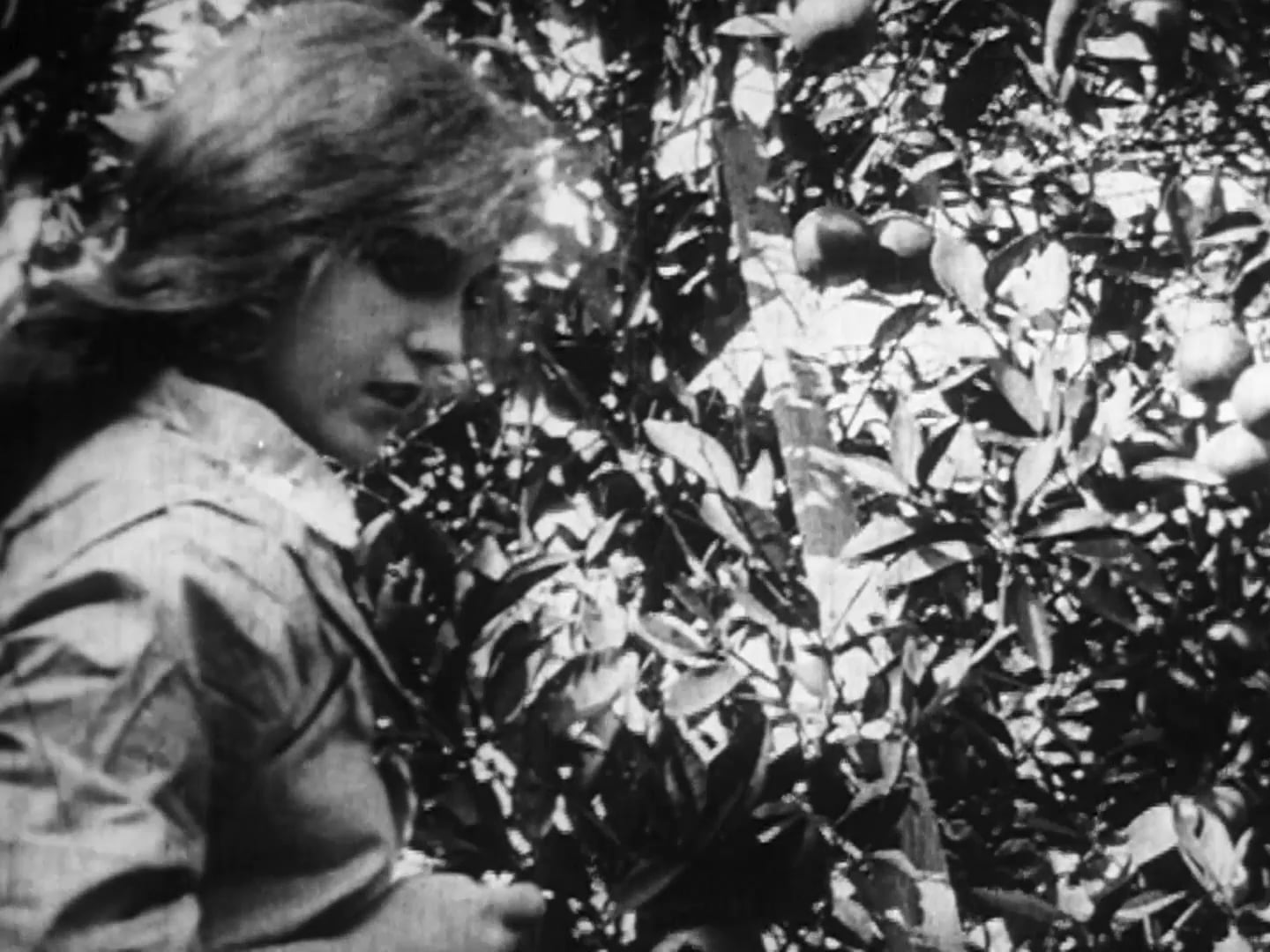
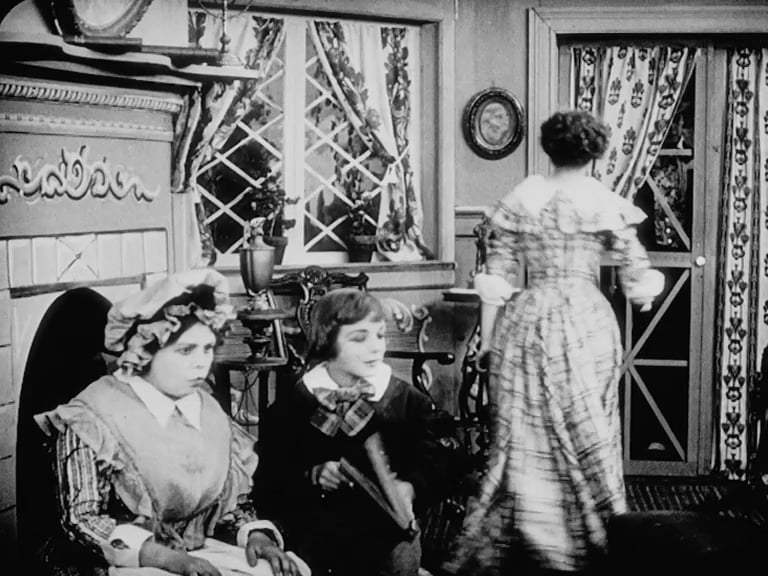
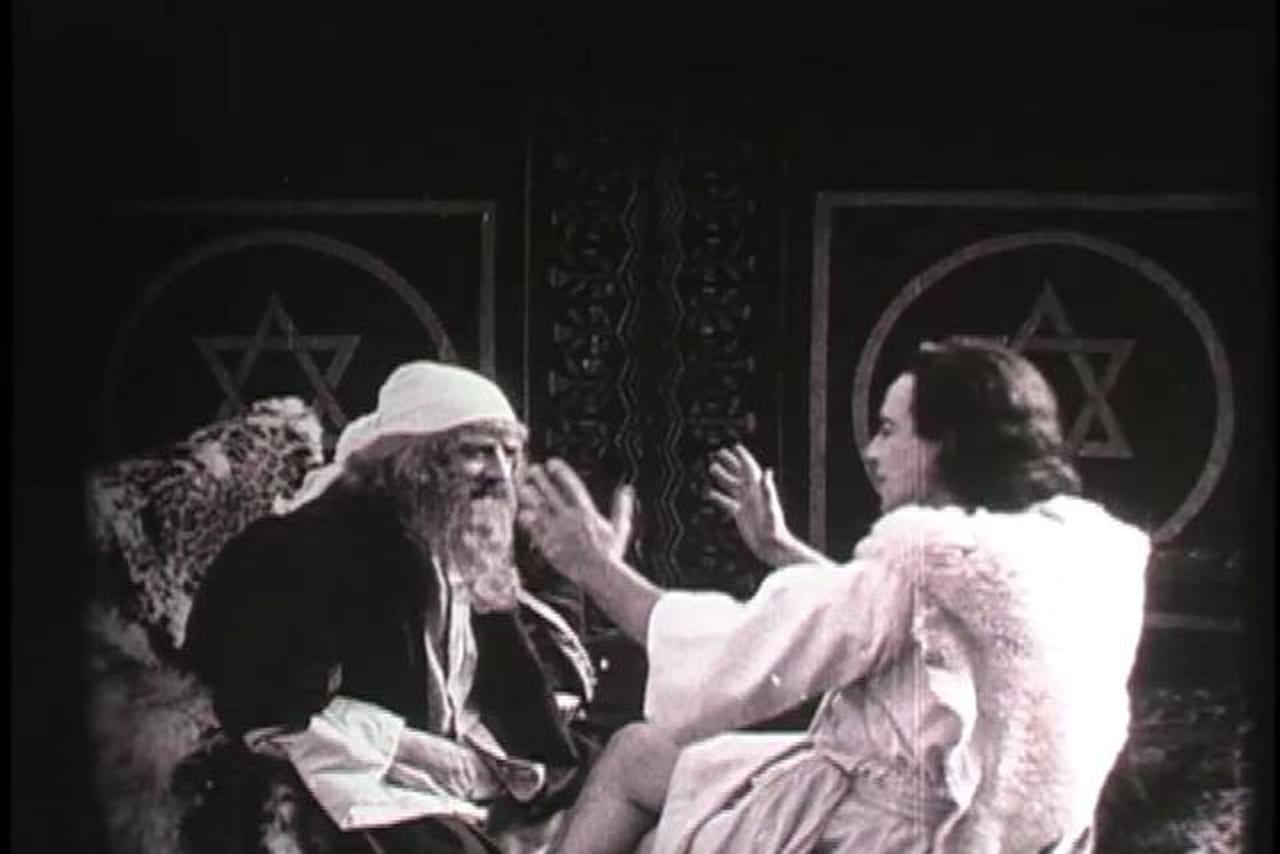
“A nervous, fault-finding invalid decides that his health requires that he shall live in the South, and managed to exchange his place up North for a shack in an orange grove in Florida. Accompanied by his devoted wife, he sails for his new home, she hoping that he will regain his health and strength there. On the boat trip the couple meet a wealthy young clubman, who is traveling for pleasure and to get away from the rigors of a New York winter. This man is impressed with the wife’s grace and beauty, and for her sake puts up with the invalid, although he regards him as a selfish bore. The husband plays cards with the clubmen and a couple of his chums, also wealthy. He loses, but the others do not realize that the money, a trifling sum to them, is practically all that the couple have upon which to live. The invalid does not make any scene believing it to be ‘more manly’ to prove he is a real sport, and then throw the burden of getting more money upon his patient, loyal and already overworked and overworried wife.
“In Florida, the wife, who is an expert needlewoman, obtains fancy sewing to do, and while delivering some work to a hotel guest again meets the clubman. He renews his acquaintance with the family, and the husband soon sees that the couple are in love, but does not object. He watches the situation with cynical amusement, and when he believes the time is right he approaches the clubman with the proposition that for the sum of $10,000 he, the husband will get a divorce and go away. Then the way will be clear for the pair to wed. The clubman at first listened to the suggestion with horror. He realized, however, that the woman’s life with such a man as the invalid must be one long torment, and he decided to save her. So he agreed to pay the money, believing that thereby he would add to her happiness. The wife came in while the deal was being discussed. She sees the shameful paper and tore it into bits and then ordered the clubman out of her house, refusing to listen to his offer of explanation. Hating her husband though she did, her woman’s heart would not permit her to leave him, for she knew his days were numbered. When he died some time later, she was still ministering to him, and trying to make his last moments comfortable. He was cross-grained and selfish, but a ray of decent feeling animated his last moments, for he told his wife that the ‘bargain’ was a one-sided affair, that the clubman had never suggested it, the husband alone being to blame. He added that he believed the man truly loved her and simply tried to save her from a life of misery. Many days after the funeral, the widow and the clubman met. At first she refused to talk to him, but gradually, she thought of his many kindly ways, she relented, and they parted ‘friends.’ He would not press his advantage then but thought of the old adage, ‘friendship is akin to love,’ smiled, and was content.”
Summary from The Moving Picture News · 16 March 1912