The story
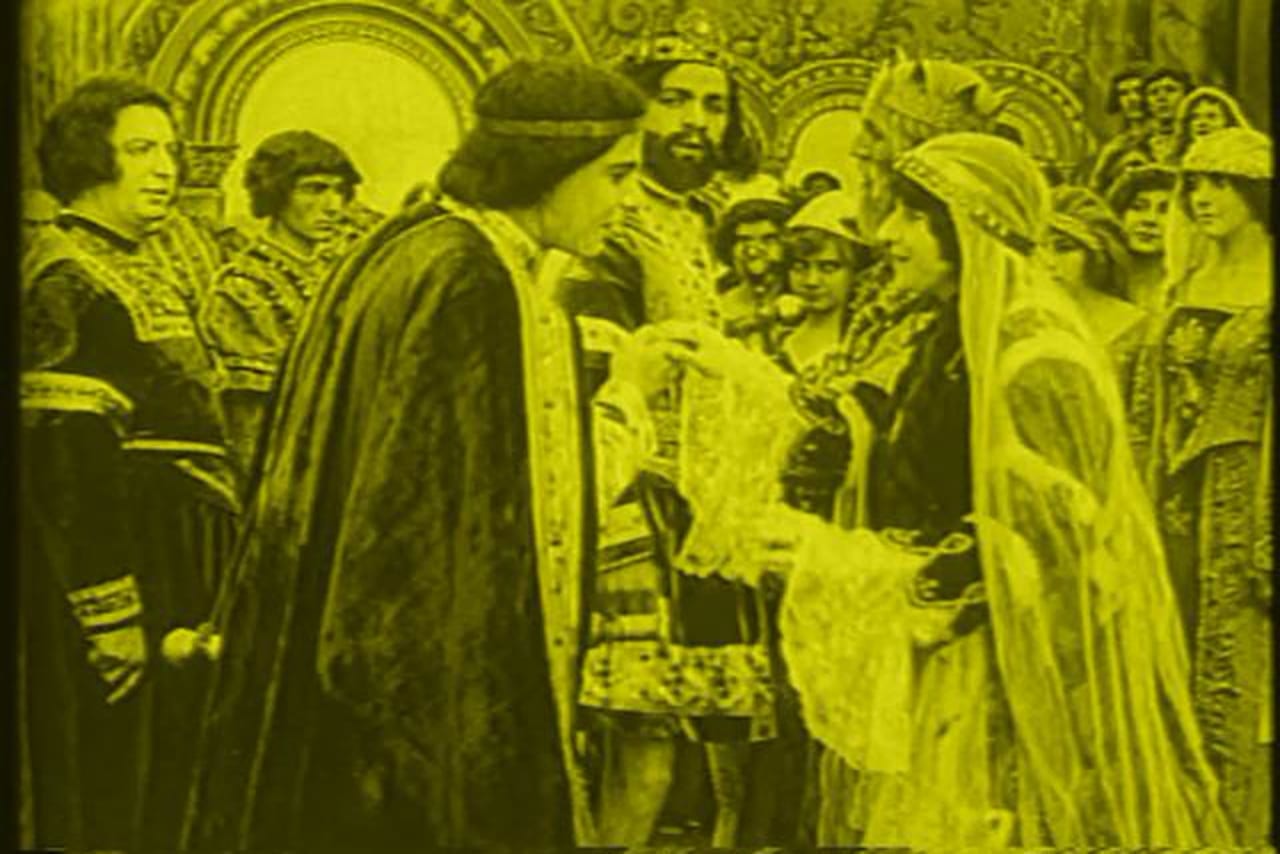
“Sir Walter Scott has given the world many heroes, but the one who will live the longest is young Lochinvar, ‘who came out of the West,’ for Lochinvar was one of those heroes who knew when he saw what he wanted, went and got it, and did not bother asking anyone to help him. He was self-reliant and energetic, and it was not strange that the ‘fair Ellen’ loved him, or that her kinsmen hated him. The poem tells how ‘the fair Ellen’ was forced by her parents to consent to marry a man so despicable and generally valueless that he was not even given a name. He was simply described as ‘a dastard in love,’ and ‘a laggard in war,’ and it is not remarkable that the fair Ellen objected as vigorously as possible. When young Lochinvar heard the news, he started ‘all alone’ for the home of the fair Ellen, and arrived just as the wedding was about to be celebrated. The Netherby clan, kinsmen of the bride, seeing that he had no followers, were disposed to be not aggressive. Lochinvar told them that ‘Now I am come, with this lost love of mine, to dance but one measure, drink one cup of wine.’
“This seemed an easy way to prevent trouble, the bride’s father agreed. During the dance Lochinvar managed to explain to the girl that his horse was outside and asked her to elope with him. She took one more look at ‘the dastard in love,’ who was not an inspiring spectacle, and considered. Then the couple danced to the door, and out, leaped on the horse and sped away before the Netherby clan realized what had happened. And they never saw their fair Ellen again, for she became the happy bride of Lochinvar. History does not tell what happened to the ‘dastard’ who was tricked out of a bride at the very altar. The chances are that he was exceedingly unpopular, in his neighborhood, unless he made that a foreign one.”
Summary from The Moving Picture World · 16 September 1911