The story
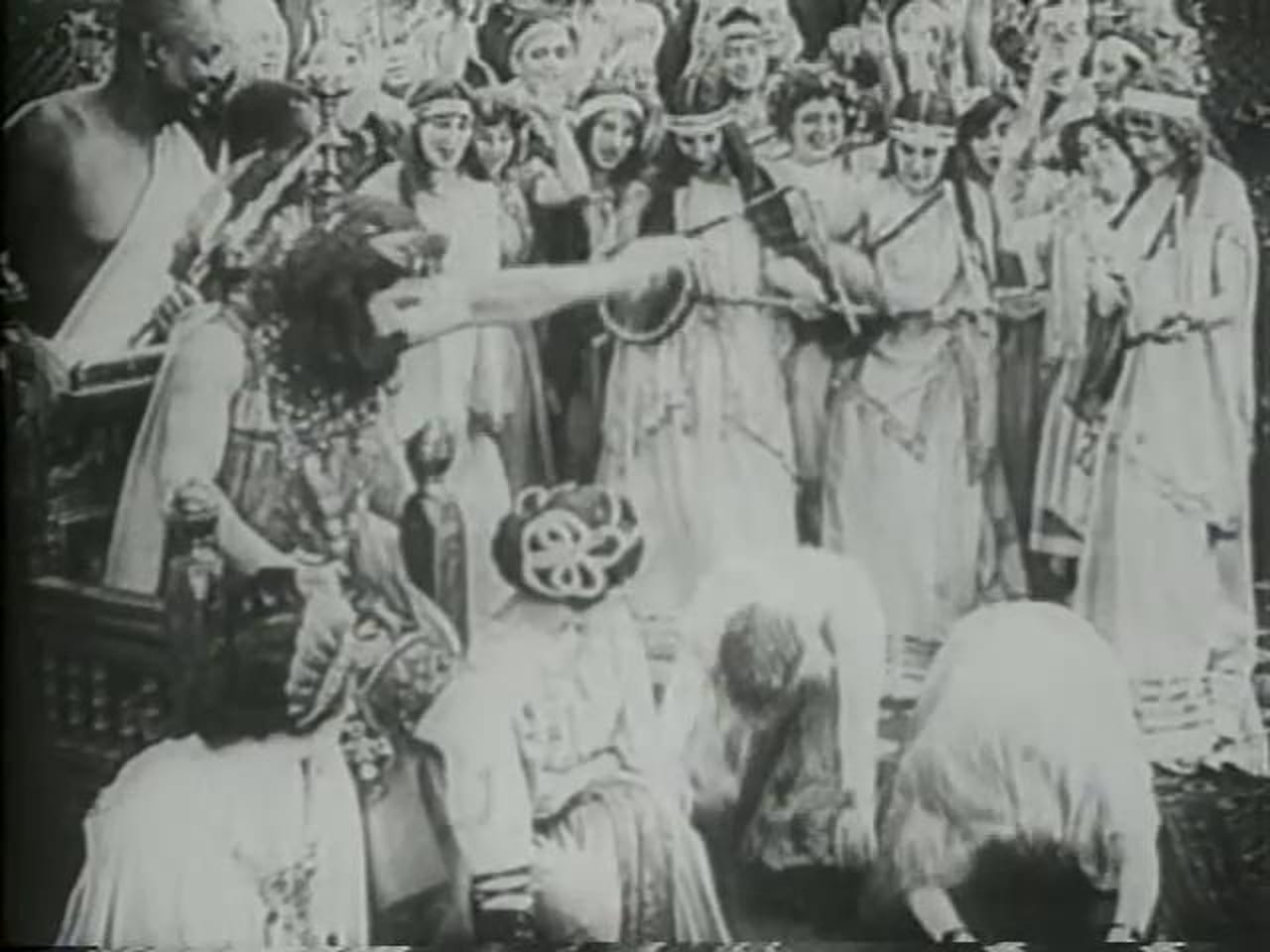
“A rich man who finds that there is nothing in life worth living for is worse off than is a poor man in similar circumstances, for the poor man may be stricken with ambition, and in the last effort to attain fame and fortune redeems himself. But what is a man to do if he has wealth, health, all the fame he desires, and yet looks at life through blue spectacles? A man of this stamp is yawning out an utterly purposeless existence. He is comparatively young. There are no business cares to vex him, he has money enough to insure comfort, and yet he is thoroughly unhappy. He visits a winter resort down South, not for the benefit of his health, or for enjoyment, for he realizes that he will be thoroughly bored. He has no chums there, his friends simply endure him, and he is as thoroughly unhappy as he had been in Europe or in the North. Perhaps some kind of kind fairy took pity upon him, and induced him to go out rowing all alone, for he lost his oars and drifted about aimlessly all night, believing that his last hour had come.
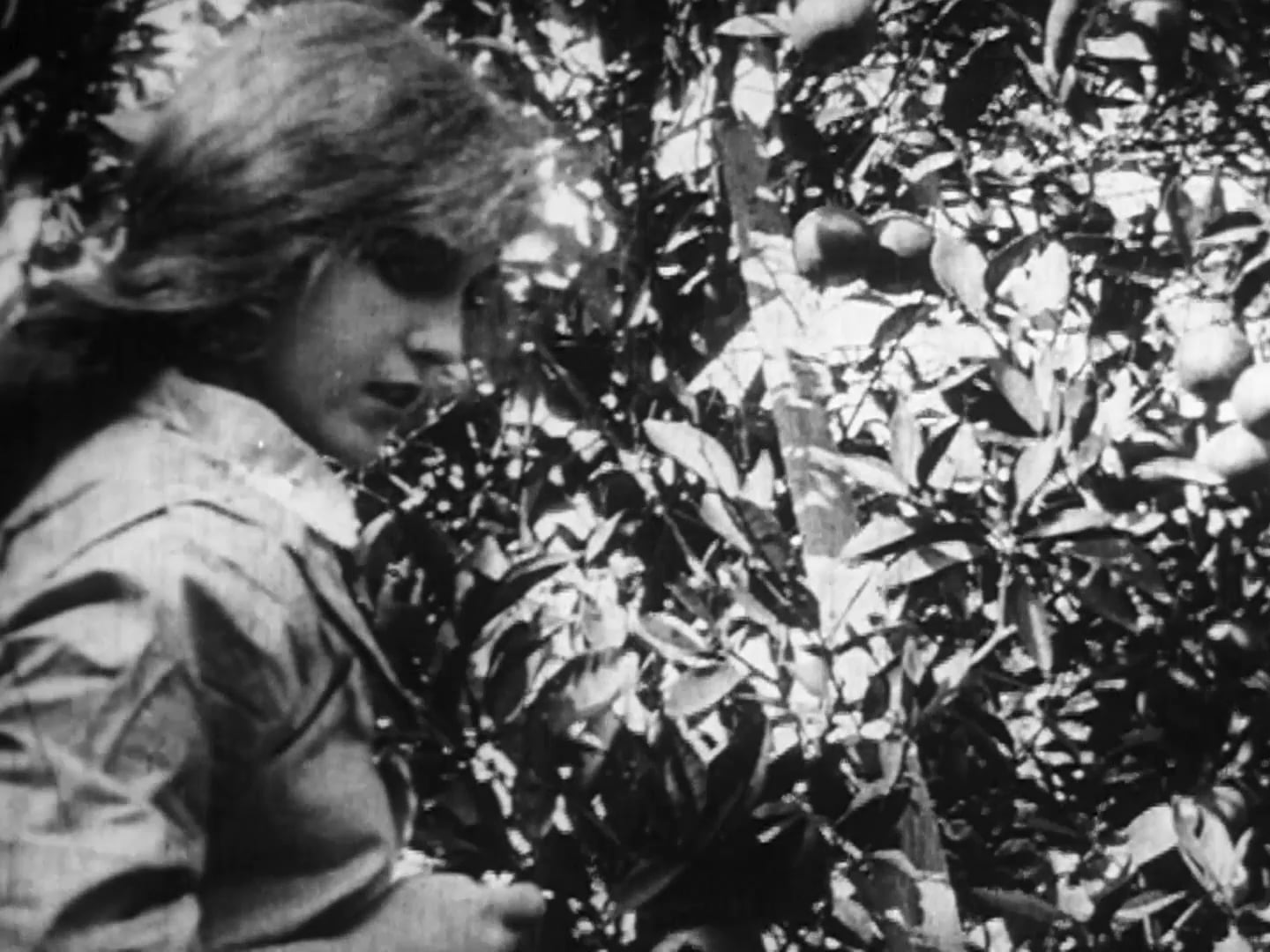
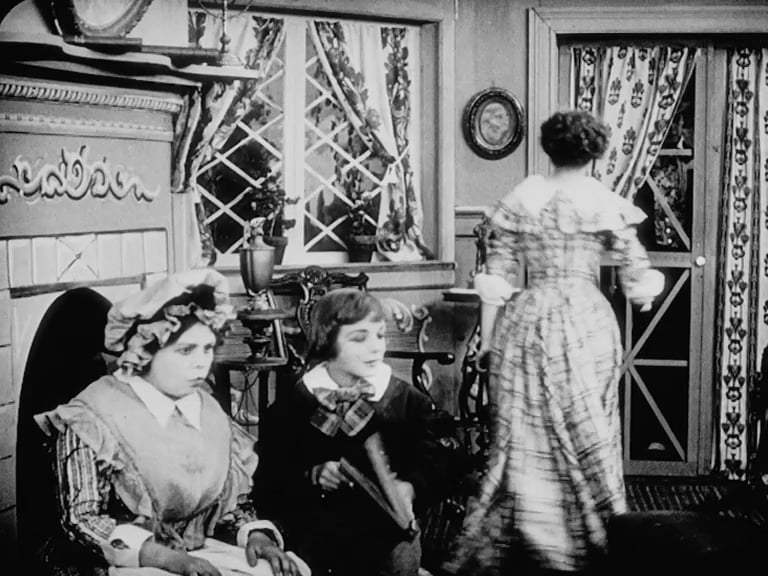
“The good fairy so directed his boat that in the morning, when the rich man was unconscious from thirst, hunger and exhaustion, the tiny craft drifted near a lighthouse. The keeper’s daughter saw the boat, swam out and guided it ashore, a considerable risk to herself, and with the aid of her father restored the rich man into consciousness. His benefactors did not know that their unfortunate guest was a rich man. They regarded him as one of themselves, and the keeper regarding him with favor, finally offered him a job as his assistant, which he whimsically accepted. He finds his new life so different from the old one he positively enjoys living. He forgets his old troubles, within a short time decides that there is nothing that could induce him to go back to his former aimless, empty existence. The keeper’s daughter wins his love, and makes him happy by agreeing to marry him, and he finds that each day is happier than the one that preceded it.
“Years later, his old friend, who has mourned him as dead, happens to visit the lighthouse, accompanied by his wife, and is surprised to recognize in the assistant keeper the former clubman, long regarded as dead, and, in fact, so declared by the courts. The friend urges him to return, telling him that his heirs can be compelled to return his fortune, but he refuses. ‘I have my fortune here,’ he says, ‘my wife and child. My only fear is that they may be forced back into the life I once led. I have a lovely wife, a beautiful child, enough to live upon, my days are happy. The other life, well I know what it is, and have no desire to try it again. Let my heirs keep the money. It is valueless to me.’ The friend, being a true friend, kept the secret. Yet he never could understand the once rich man’s reasoning, for he was not a philosopher, and, furthermore, had not been rich long enough to realize that money is not everything in this world.”
Summary from The Moving Picture News · 13 April 1912